
PHOTO
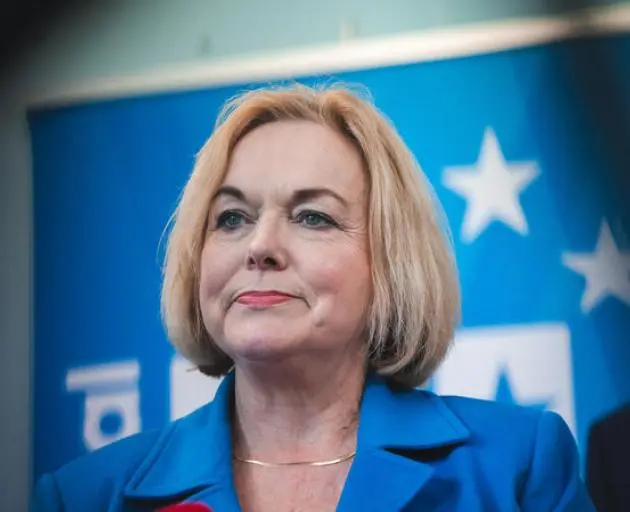
The sideshow of Judith Collins’ National Party leadership may appal or occasionally entertain but whether it is good for democracy is another matter.
With the existing parliamentary set-up where Labour has a considerable majority and might be at risk of thinking it can more or less do what it likes, it is more important than ever there is a strong and cohesive Opposition.
But anything credible Ms Collins may say (and yes, she can sometimes say sensible things) is drowned out by her next clanger. No sooner had the furore over her insulting accusations about microbiologist Associate Prof Siouxsie Wiles’ lockdown behaviour subsided when she was snapped without a mask herself in breach of Level 2 rules.
It might be seen as petty point-scoring when people gleefully raise these issues, but if the tone of debate has been lowered then Ms Collins bears much responsibility for that.
It is not good enough for her to say on the one hand she wants the party to concentrate on the issues that matter and then allow herself repeatedly to be side-tracked into nastiness.
She needs to be able to calmly cope with any questions even when she does not like them. Just yesterday Ms Collins pulled out of her regular RNZ slot apparently because she was to be asked about some resignations from her office. Perhaps she was trying to avoid a damaging encounter, but it was not a good look. In a Newshub interview the same morning she made some relevant points about the dangers of employers making vaccination against Covid-19 compulsory for employees, particularly if they were not in a high-risk situation.
If the party wants voters to believe it has something to offer, then it must present a disciplined approach to issues and point to possible solutions alongside criticism.
It is not as if there are a shortage of issues it could get its teeth into, but valiant attempts from some of Ms Collins’ MPs are being undermined by her grabbing the headlines for all the wrong reasons.
One issue which needs some scrutiny is what has happened to the all of government approach to the Covid-19 response?
Why was it that there was such slackness around travel arrangements for released prisoners crossing from Alert Level 4 to 2 that resulted in a bailed person contracting Covid-19 and likely going on to infect others in his household?
When the decision was made to have different alert levels across the country, was there not an assessment of all the scenarios across all government departments which might provide a risk? Could nobody foresee there were accidents waiting to happen? At least 24 other prisoners crossed Covid level boundaries.
Moves have been made to shore up the situation now, but we have seen this after-the-fact approach all too often.
Closer to home, this week we reported the damning results of a leaked internal audit of compliance with Covid-19 protocols at the Otago Corrections Facility.
Prison management have tried to put a positive spin on their protocols’ oversight now the audit is before the public and have suggested that some of the behaviour observed on the day of the audit check was not typical. This is not convincing. The whole point of such protocols is that they need to be adhered to consistently. The concerns identified by the audit should have been obvious to anyone who was paying attention when managing staff day-to-day.
Issues such as lack of physical distancing, sick staff attending work, poor mask compliance, not wearing the correct Personal Protective Equipment (PPE), improper disposal of used equipment, and failure to ask screening questions of those arriving or use the temperature-checking device seem astounding at such a facility.
We need a convincing and immediate assurance that this laissez-faire approach to protocols is not mirrored at our other prisons.