
PHOTO
The shares in electricity companies plummeted the other day. As a capitalist pig I was devastated. As an electricity consumer, I felt a slight sense of relief.
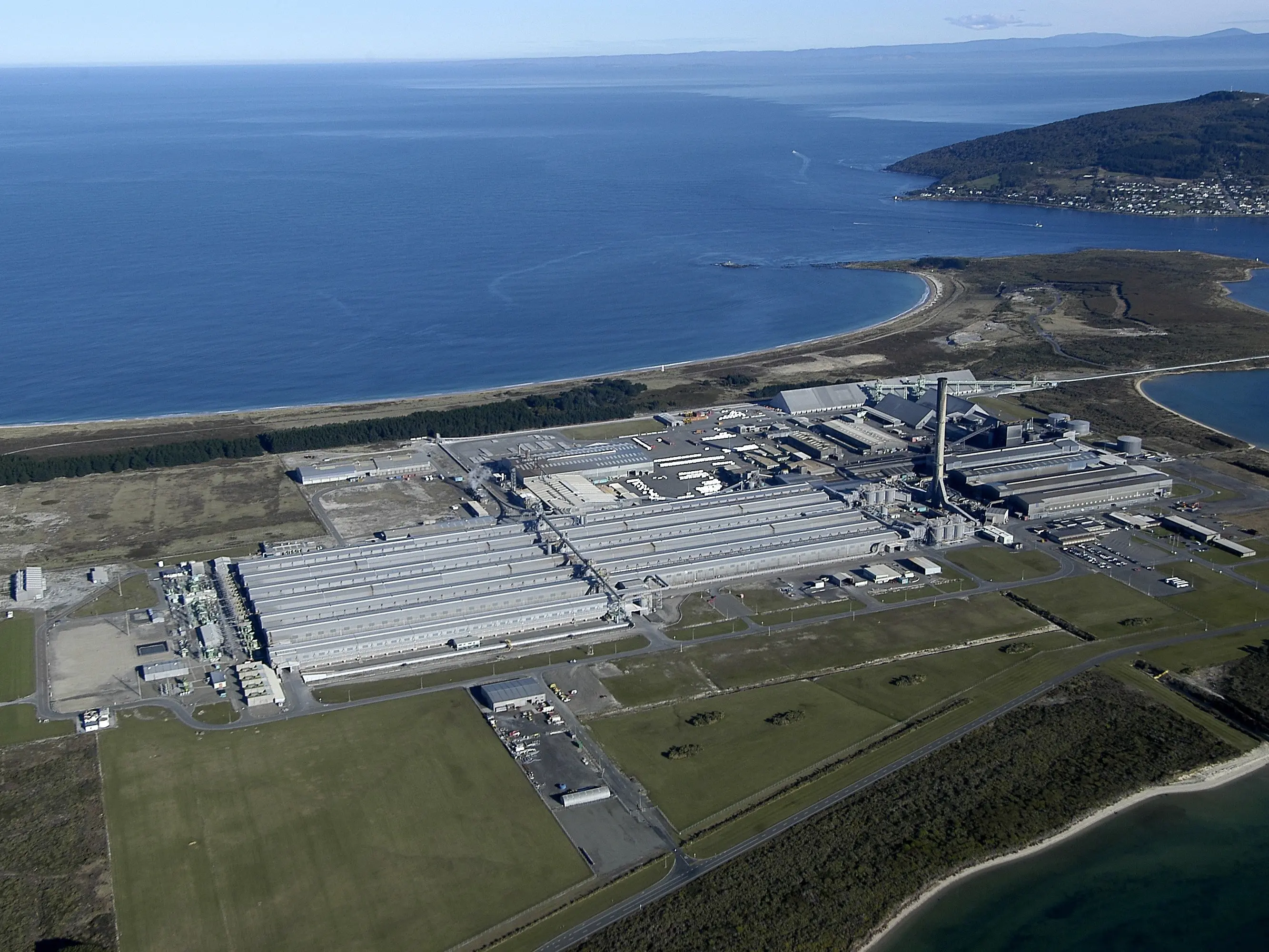
It took me a wee while to understand what had happened as there was no specific company news. Rio Tinto, a large multinational corporation, had made an announcement. It was reviewing the viability of the aluminium smelter it owns at Tiwai Point in Southland. It does this every few years to try to extract more concessions out of the New Zealand government ... and you and I.
On a periodic basis Rio Tinto announces that it may have to close the smelter. The plant employs about 1000 people directly and creates many other jobs in Southland indirectly.
In 2013, the John Key government gave the multinational $30million of taxpayer money to stay open. That's about $30,000 per direct job.
But here's the real point. Tiwai uses about 13% of New Zealand's electricity output. It gets very cheap electricity to keep it going. The Manapouri power station was constructed to provide the plant with cheap electricity in the early 1970s.
So when Rio Tinto threatens to close the smelter, it sends shivers through the electricity sector. The fear is that an extra 13% of electricity supply could be unleashed on the domestic market. Electricity prices could plummet. Even the suggestion that Tiwai was under review caused the share prices of electricity companies to sink.
Just consider the implications. The average household spends over $2000 per year on power bills. Prices could fall by over 10% as local supply surges. A potential saving of over $200 per household. The electricity costs for local business would also fall. This means a key cost of production would decline, making local businesses more competitive and profitable.
It is understandable that the people of Southland are concerned at the potential loss of 1000 direct jobs and many more indirect jobs. But I doubt that Rio Tinto has kept the plant operating this long due to an unstinting love and affection for the people of Southland.
The spokesman for the smelter was on the television. He said a possible option to keep the plant viable was to ensure it paid even lower electricity prices.
Wow, blatant corporate blackmail. Pay us more to stay or we will cause pain. It will be your fault, not ours.
I would feel sorry for the people of Southland if Tiwai closes. But this Government could mitigate the effects by pumping development funds into the region. But continuing to subsidise a very profitable multinational that periodically wants to suckle at the teat of the New Zealand public is not a viable alternative.
We need to ensure those locals in Southland affected by a closure are well supported. This Government could prove its mettle by ensuring a well-funded transition if the plant closes. Rio Tinto needs to be told to deal with market conditions, or leave.
We should not be subsidising a hugely profitable multinational through higher than necessary electricity prices.
- Peter Lyons teaches at St Peter's College in Epsom and has written several economic texts.