

Correspondence between Doc staff in October, released under the Official Information Act, shows a supporting document for Santana Minerals’ proposed Bendigo-Ophir Gold Project was seen as having "erratic and confused assessment" of the local environment.
In an email to colleagues, Doc invertebrate ecologist Warren Chinn said, in his opinion, the Environment Protection Authority should look carefully at "the invertebrate issue".
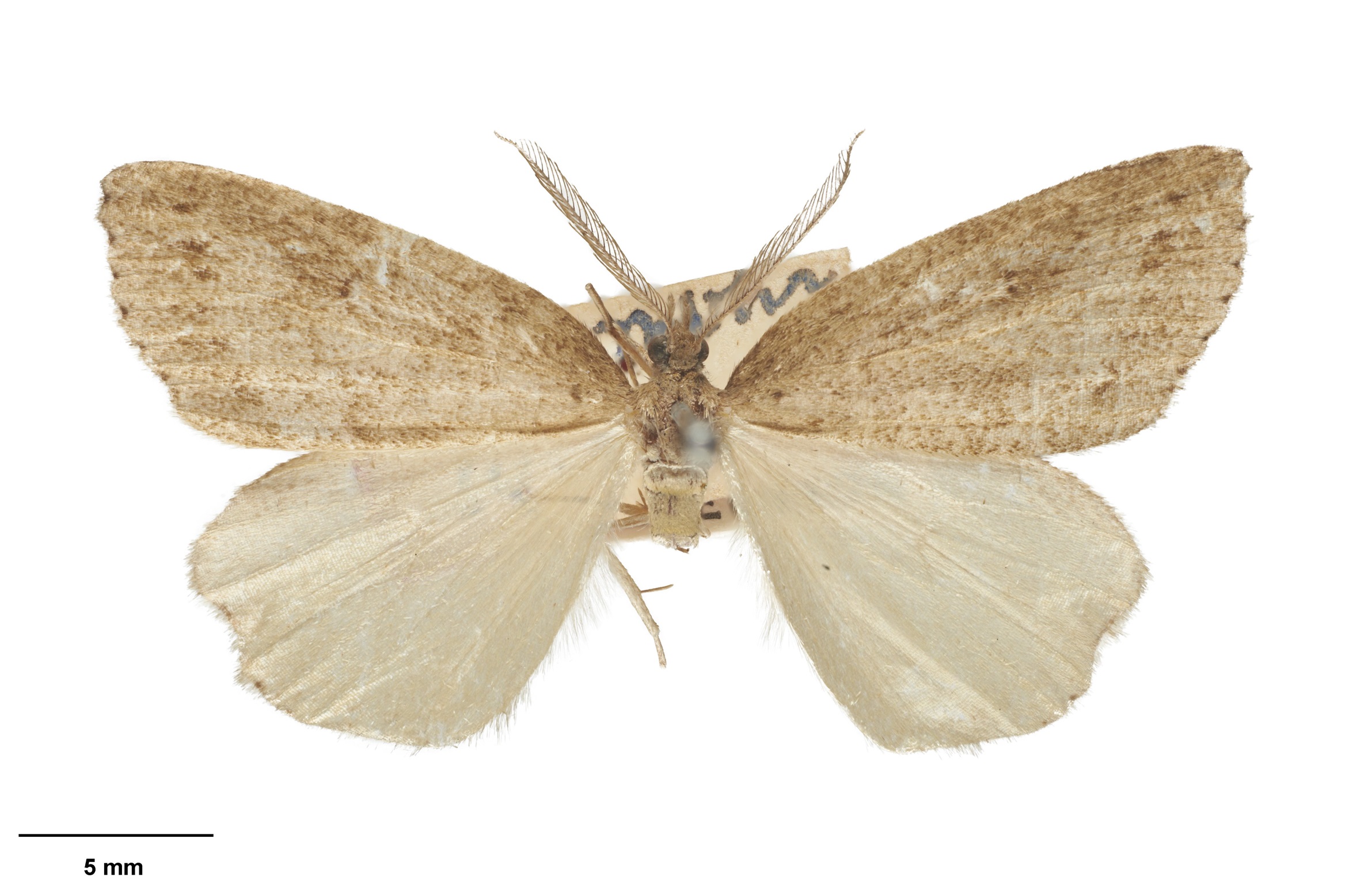
"There are several threatened moths and ... a rediscovered beetle and many other community-level matters of significance on the land," he wrote.
"But what is more disturbing, is the incompetence of the invertebrate report: In my view, it is insufficient to advance a decision due to [its] erratic and confused assessment of the invertebrate fauna."
A Santana spokeswoman pointed out the comments were made in internal communications and were not Doc’s official position.
"To be clear we have never received a request for information from Doc relating to invertebrates, either prior to or following the fast-track approvals (FTA) application submission," she told the Otago Daily Times.
"Two weeks ago we hosted a workshop with Doc and other regulators specifically to discuss invertebrates as part of the FTA process. The Doc invertebrate specialist did not attend that session."
The invertebrate report and management plan were both included in Santana’s application and were publicly available, she said.

A memorandum to the fast-track panel convener, filed on behalf of director-general of conservation Penny Nelson in January, said many of the plants endemic to the application site hosted rare or threatened invertebrates.
"Translocation of plants at scale in this environment is untested," the memorandum said.
"This is also the only directly proposed mitigation to address adverse effects on invertebrates.
"Doc’s view is that a precautionary approach to untested mitigation with significant adverse effects in the event of failure of that mitigation is warranted."
The proposed effects management package did not adequately address expected impacts, Doc said.
The package under-represented biodiversity values while over-representing the "certainty of success of proposed interventions for many species (lizards, invertebrates and threatened plant species)".
"Given the scale of impacts, proposed effects management interventions are considered inadequate from a conservation perspective and unlikely to achieve the anticipated outcomes."


