
PHOTO
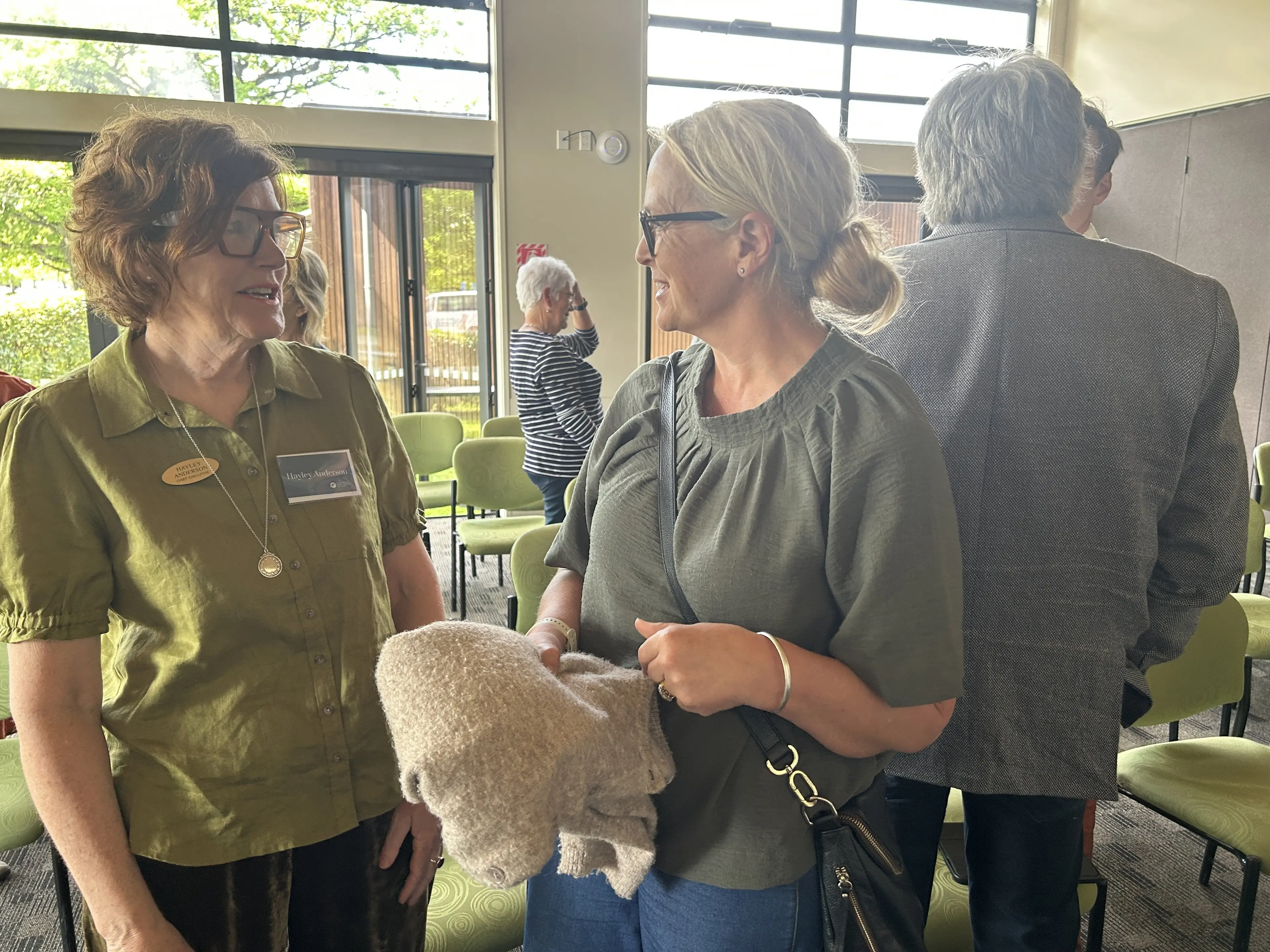
Working to be a solution to the government’s problem was one of the strengths of Dunstan Hospital a packed house heard at the launch of the Dunstan Hospital Charitable Foundation, in Alexandra, yesterday.
COHSL chairman Richard Thomson said some things stayed the same in health while others were constantly in flux.
"Governments come and go. Shades of colour of government changes. The problems in health, by and large, don't change that much. There's not enough money. There's not enough commitment to raise more money. The only way you can do that is increase the taxation, really. And so the problems are always going to be there.
"What we're trying to do is to position ourselves as a solution to problems. And what we're finding . . . is that when we do that we get engagement with Health New Zealand. They sit down with us. They're open about what their problems are. And you're able to have conversations out of which might come innovative solutions. And I think that's what makes Dunstan, in my view, so different to a public hospital."
The hospital, in Clyde, is owned by the Central Otago Health Services Ltd (COHSL) a community-owned not for profit company formed in 1999 when the hospital was threatened with closure. Since then the population of Central Otago had grown and aged significantly.
Last year more than 1900 cancer infusion treatments were delivered at Dunstan and more than 6000 outpatients seen.
Clinical director Jonno Wills said the foundation would help address the gap between baseline and excellent care.
Mr Thomson said he was thrilled with the turnout at the meetings in Wanaka on Monday and Alexandra yesterday.
"It’s been a really encouraging start. I think it’s just representative of the general interest that people have in this hospital. They do feel it’s their hospital and what happens is really important."
Dunstan Hospital had huge support from the community but had never actively sought contributions, Mr Thomson said.
"We need to do that because this hospital’s got a long-term future in this community and we need to think long-term."
After being involved in hospital governance for 25 years he had saved his "best gig" for last, he said.
"[It’s the best] because of the culture of the place, because of the engagement of the staff in the place. It’s not a bureaucratic kind of hospital and it’s because of the way in which the community adopt and support it."