PHOTO
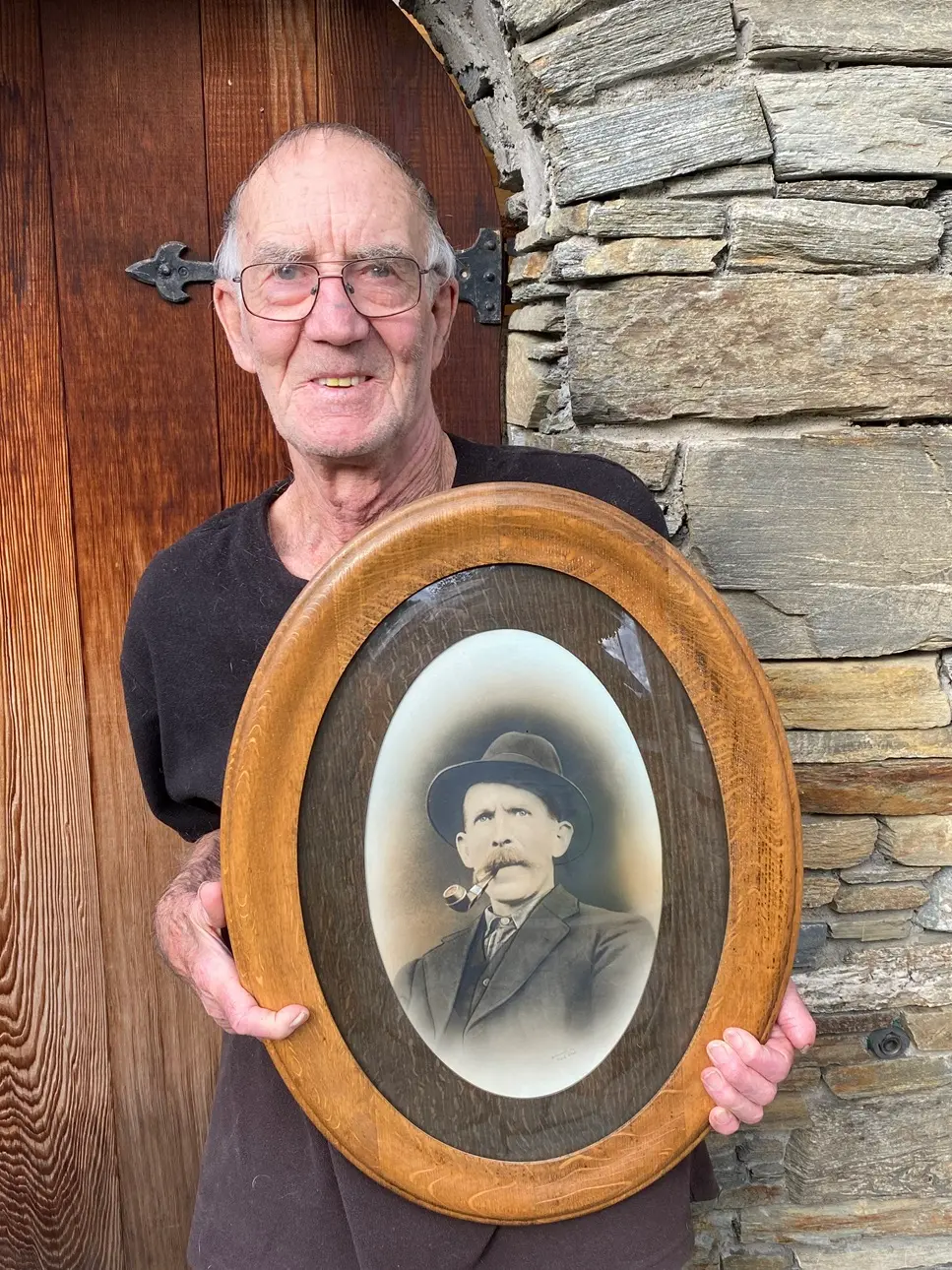

Ken Hood’s that very rare Queenstowner whose local family roots go back 164 years.
However, the 84-year-old’s also pretty proud he has two great-granddaughters who are seventh-generation locals.
To start at the beginning, Ken’s great-grandfather Alexander Hood, a farmer from County Antrim, Ireland, travelled to Dunedin’s Port Chalmers, on the sailing vessel Jura, in 1862.
He went from there to Macetown, near Arrowtown, to go gold mining — an activity undertaken by a long line of Hoods.
Ken says Alexander and his wife had nine children born in Macetown, with three being first-day pupils of the former Macetown School.
One of them, another Alexander, Ken’s grandfather, lived from 1874 to 1929, and his Queenstown Cemetery headstone reads "Macetown Gold Miner".
His wife Jeanette (1881-1953) was the daughter of Norwegian Alack and Christena Ohlsen — Alack, who mined gold at Skippers Creek, near Queenstown, was a descendant of the 10th century King Harald of Norway.
One of Jeanette and Alexander’s three children was Ken’s father George (1902-1984), whose wife Clara (nee Porter) lived from 1906 to 1980.
George was a deckhand on Queenstown steamship TSS Earnslaw, and his brother Bob was its longest-serving stoker — 1928 till 1968.
Born in 1941, Ken recalls doing a milk run for the late Ian ‘Colonel’ Hamilton, who had a central Queenstown dairy farm and forged the Skyline Rd up Bob’s Peak in the early ’60s.
Ken and brothers Robbie, who still lives in Queenstown, and the late James, an Otago University emeritus professor of dentistry, grew up in Stanley St, where the council’s newly-sealed carpark is.
He says their rhubarb came from Ireland with his great-grandfather.
Ken attended school next door, but in 1960 the government took the family home under the Public Works Act to build a new primary school.
The school then relocated to Robins Rd in 1975.
In 2003, Ken and his brothers brought a case against the Crown, which they lost, arguing they should be offered back the land as it was no longer used for educational purposes.
If they’d got it back, they were going to on-sell it to the owner of the petrol station opposite, the late Maurice Murphy, to allow him to expand.
Ken became a builder, originally with Ron Inder before starting his own business.
He helped build The Terraces hotel (now Copthorne Lakeview), former Frankton Motor Hotel and the former O’Connells Hotel’s top floor.
From the age of 17 he had a long rugby-playing career with Wakatipu.
He says after breaking a thumb he played for two more years without his wife Diane knowing.
Ken served 26 years with the Queenstown Volunteer Fire Brigade, earning gold-star status.
Memorable fires included the White Star Hotel in 1970, Trans Hotel in ’72 — "where the pool table was, all the coins had melted into a big lump of metal" — and the Coronet Peak base building in ’86.
He was also a firearms instructor for 31 years.
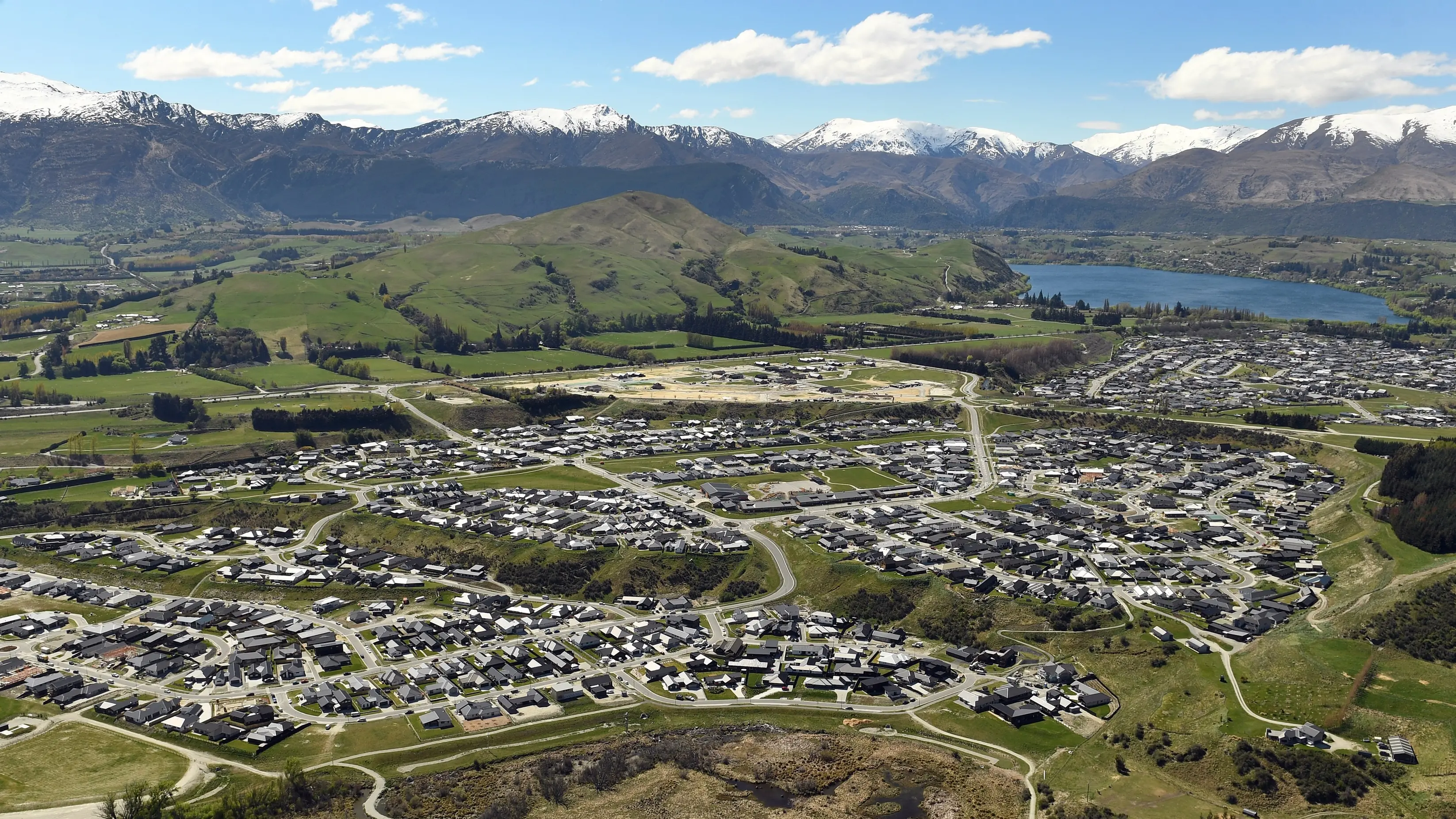
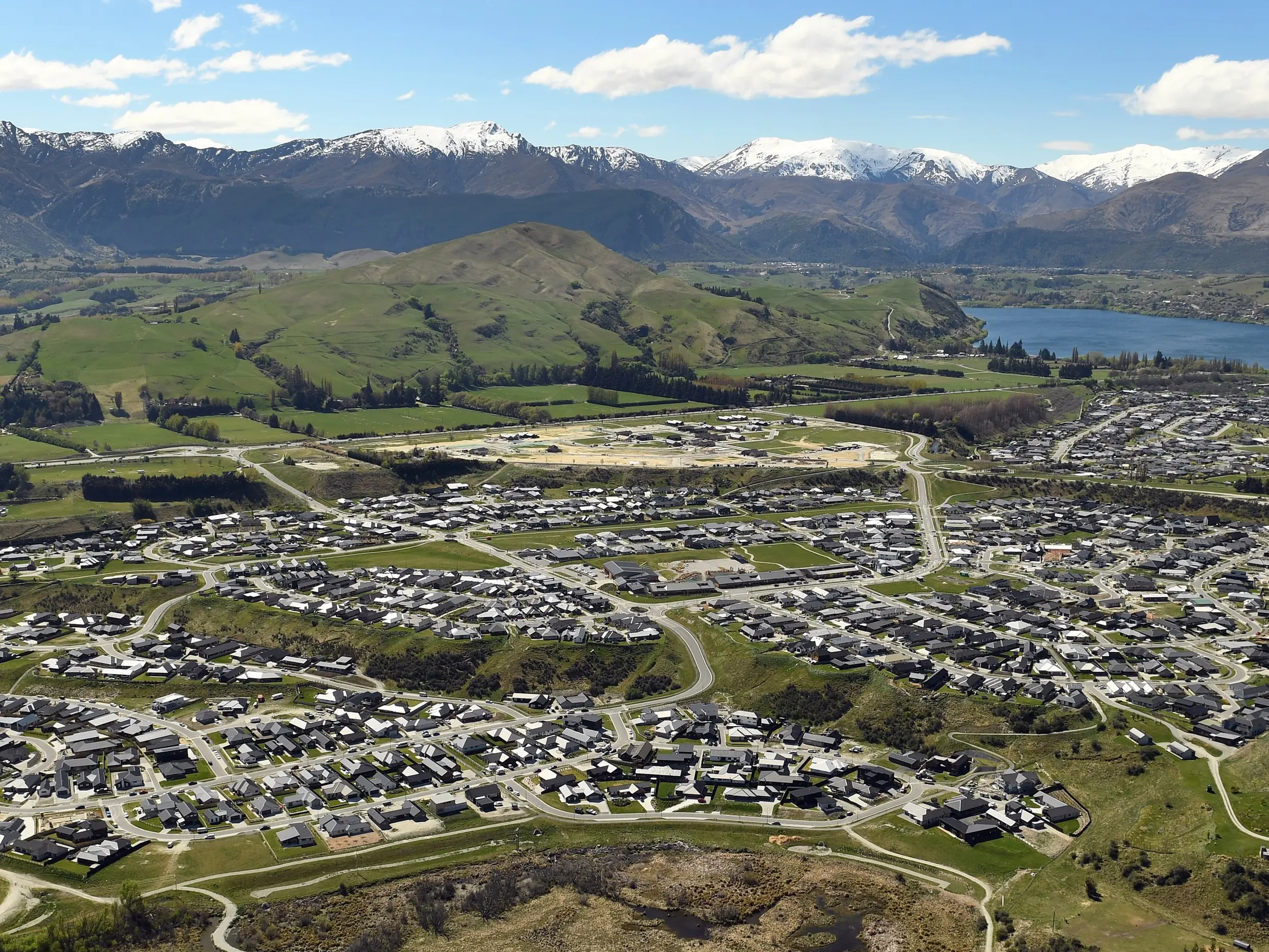
Favourite pastimes included hunting, fishing and rafting — he’d take the Earnslaw to various high country stations which he’d shoot deer on, and he recalls duck shooting on Remarkables Station where Hanley’s Farm is now.
"Every bit of holiday, I’d either be away fishing or hunting — you had the whole country to yourself."
Ken’s also been a keen recreational gold miner, originally mining in the Moonlight with his dad.
He has a gold miner’s hut himself, on Mt Creighton, and his son Matt follows the family tradition.
Every year he places an ad in this paper to remember his wife Diane, who died in 2014, aged 71.
Diane retired as Wakatipu High’s assistant principal in 2000, having joined the teaching ranks in 1963.
She coached many school netball teams and was also active in women’s service club, Altrusa.