

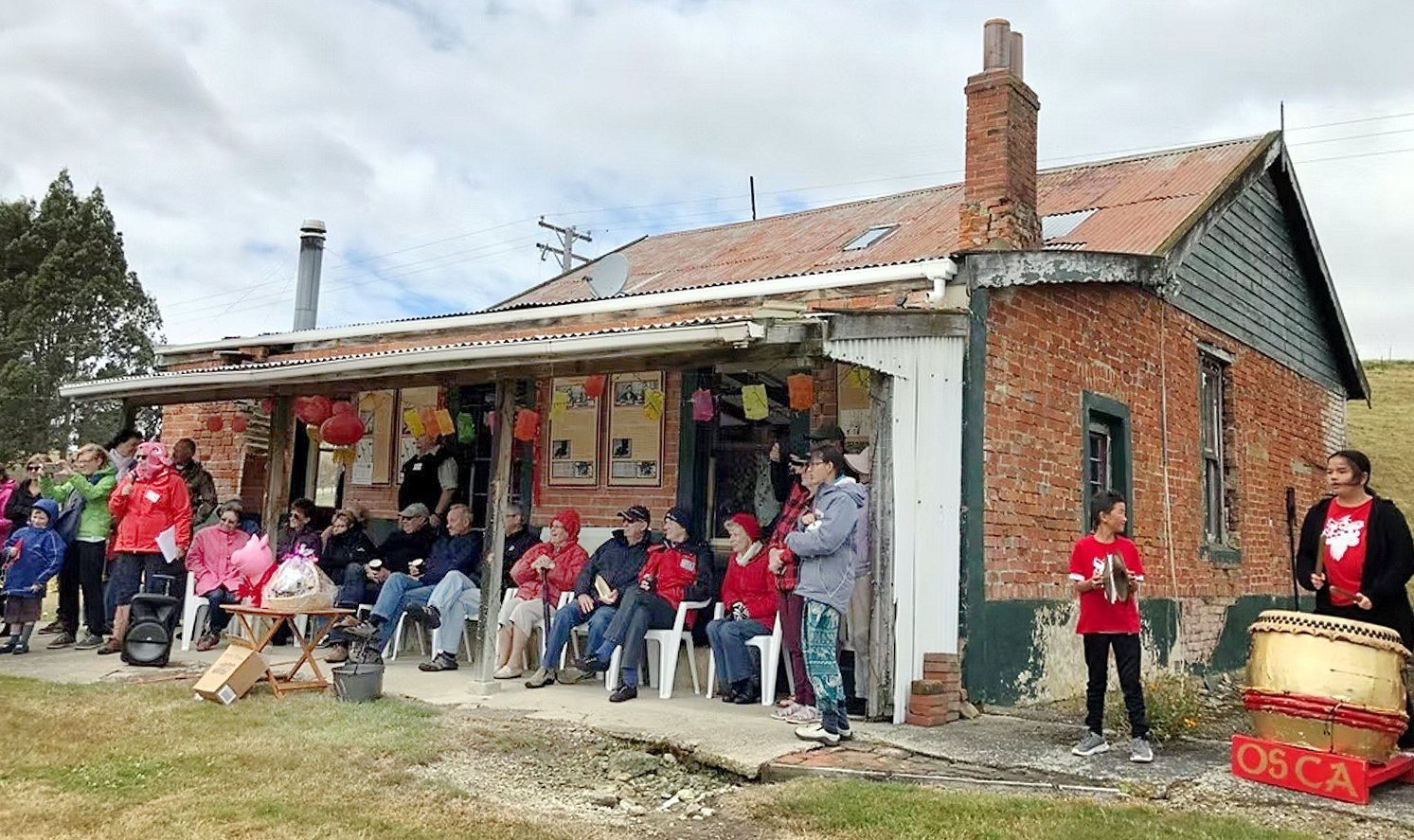
The Lawrence Chinese Camp was established just outside the town in 1867 as the first Chinese settlement in New Zealand, attracting gold seekers following the Gabriel’s Gully gold rush of 1861.
The camp and its remaining heritage buildings — the 1884 Chinese Empire Hotel, its stable block and a joss house — have been maintained by the Lawrence Chinese Camp Charitable Trust since 2001.
The trust had been working on a multi-stage restoration and development project for the site for the past several years, which was now in its second stage, spokesman and trustee Prof Richard Walter said.
"The trust has been raising funds to rejuvenate the camp and turn it into a cultural centre to celebrate New Zealand Chinese history. In August last year we completed stage one of the work, which involved carrying out archaeological investigations in advance of connecting the camp to the Lawrence water and wastewater systems through more than 1km of pipes.
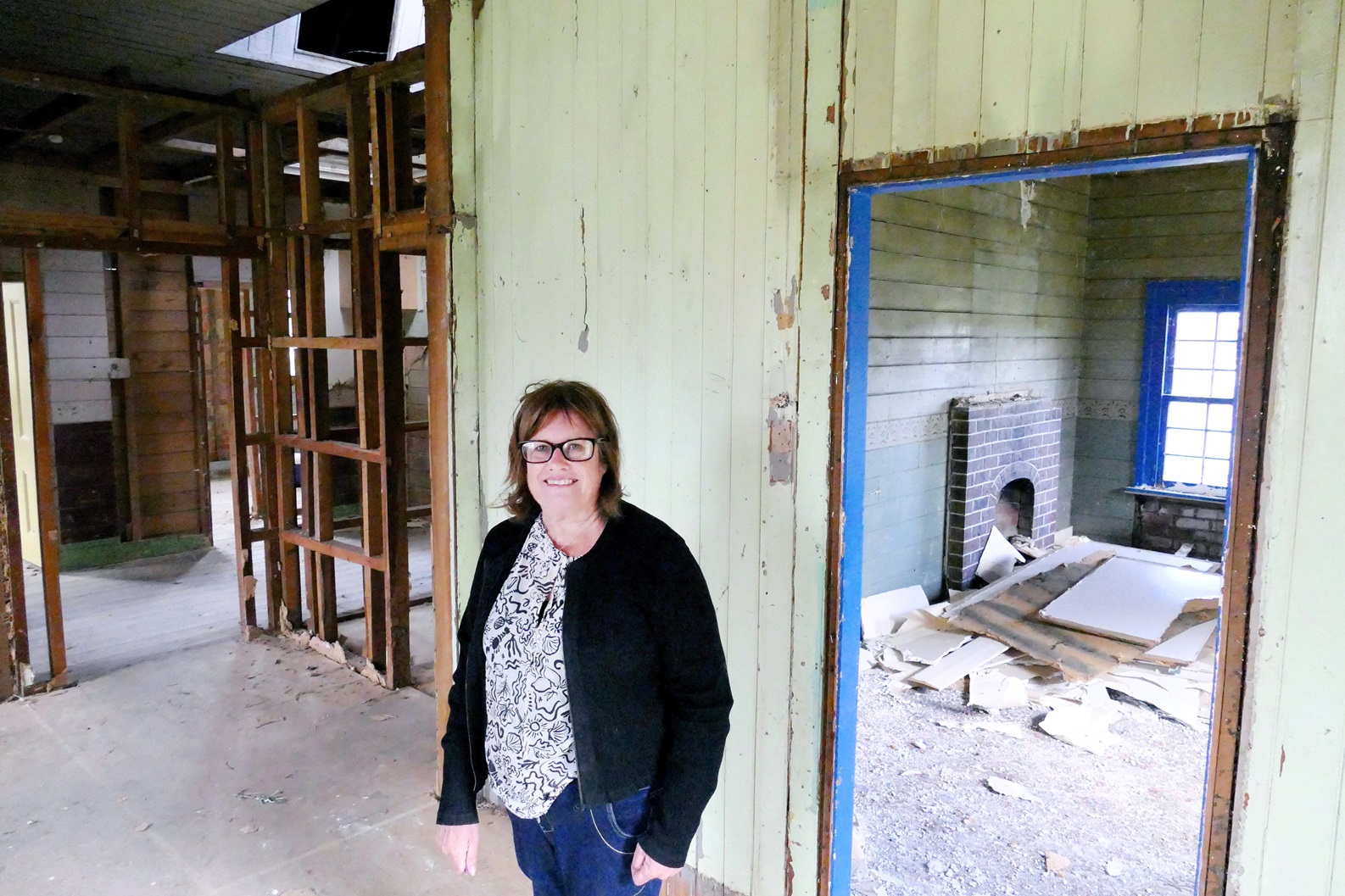
"Now that’s been done, contractors have begun work on stage two, which will see the renovation and restoration of the Chinese Empire Hotel and its stables. Post-1900s additions will be demolished, and the exterior of buildings will be renovated. The stables will be extended to their original footprint, housing public amenities, while the Chinese Empire Hotel interior will become a museum."
During its heyday between 1867 and 1910, the "camp" may have included more than 30 built structures, at the centre of hundreds of shanties and tents.
The layout included a main road, which was lined with general stores, butchery shops, Chinese medical practitioners, opium dens and gambling facilities.
Chinese women were not permitted to travel to New Zealand at the time, and many of the residents took European wives, raising families at the camp.
Although more than $1 million had already been raised towards current stages of work, the full project was expected to cost at least $3.5m, Prof Walter said.
Fundraising would continue, and would include a "buy-a-brick" campaign.
"Eventually the camp will also have a visitor and education centre, and will provide a first-rate visitor experience, including modern digital technology. We hope it will become an asset for the wider community."


