PHOTO
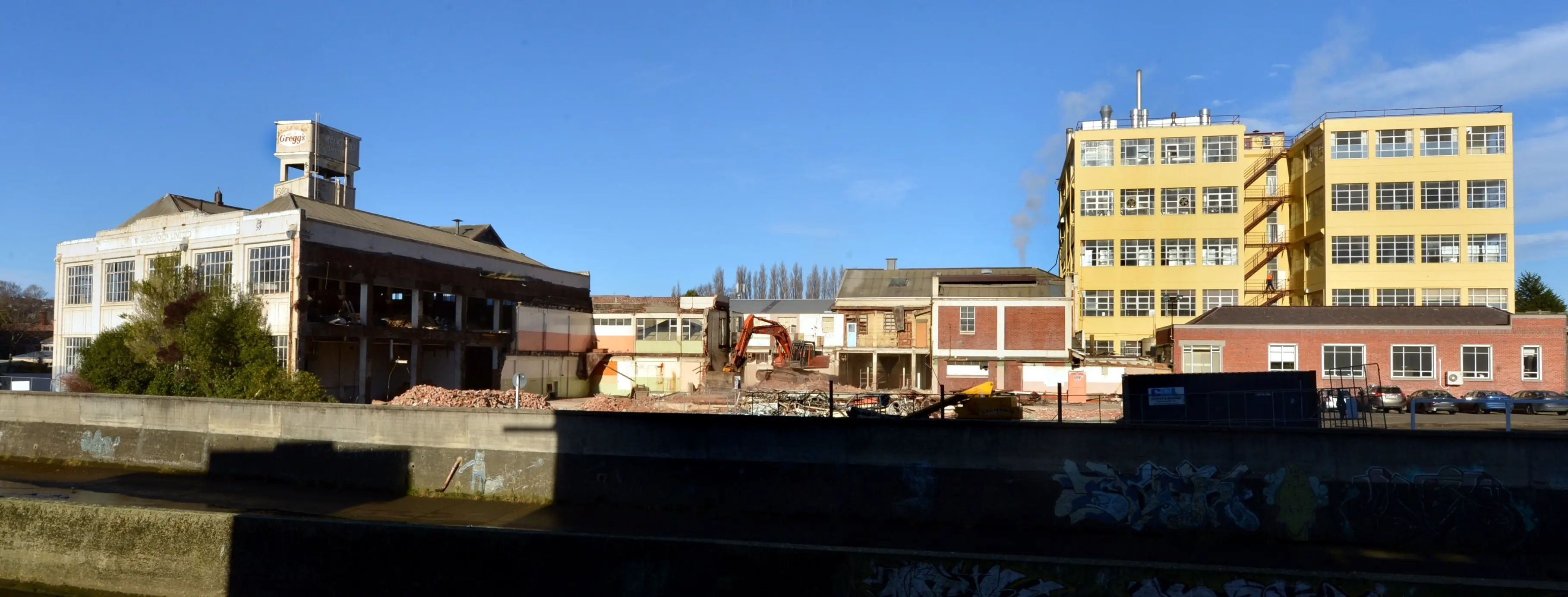
For more than a century and a-half, the earthy aroma of roasting coffee has drifted across the city, serving as a sensory reminder of a commercial empire forged in the frantic fires of the Otago gold rush. At the heart of this manufacturing enterprise stands an Irish immigrant who crossed oceans in search of fortune.
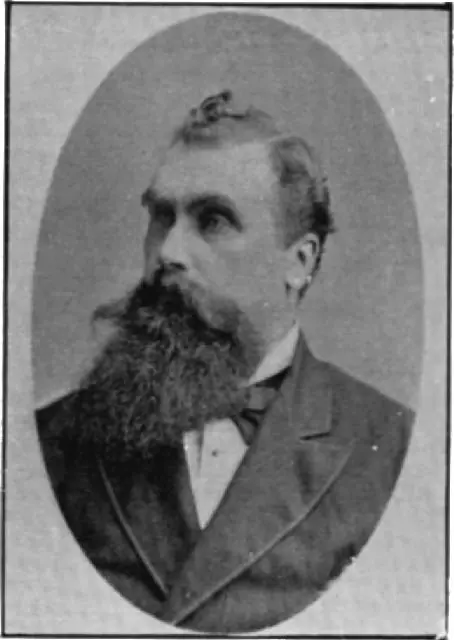
William Gregg was born in 1836 in Ballymena, Northern Ireland.
As a very young man he sniffed opportunity in the Ballarat gold fields of Australia. Instead of the backbreaking labour of mining, he took advantage of miners needing daily provisions by setting up a coffee and spice manufacturing business.
When gold was discovered in Otago in 1861, he lost no time shifting his operation to Dunedin. In 1862 he bought the Otago Steam Coffee Mills, which operated from Princes St. As well as roasting and grinding coffee, his business sold everything from cloves to chocolate, mace to mustard and ginger to ground rice.
With his venture thriving, in 1865 Mr Gregg married Eleanor Rosetta Lovell and they went on to produce nine children, six boys and three girls.
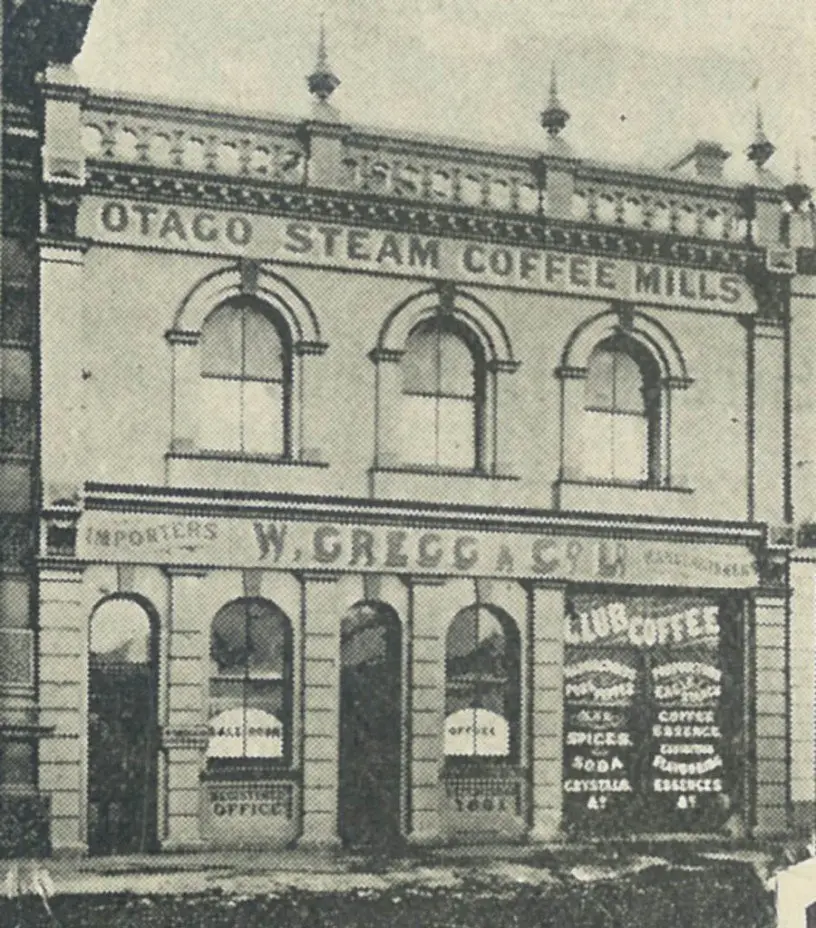
In 1878 the company moved into an elegant building in Fryatt St that still stands today.
The 1880s saw him take the plunge into being more than an importer, setting up a factory in Pelichet Bay that manufactured ‘wax vestas’ — matches.
The company also established a 22ha chicory farm and kiln at Inch Clutha near Balclutha.
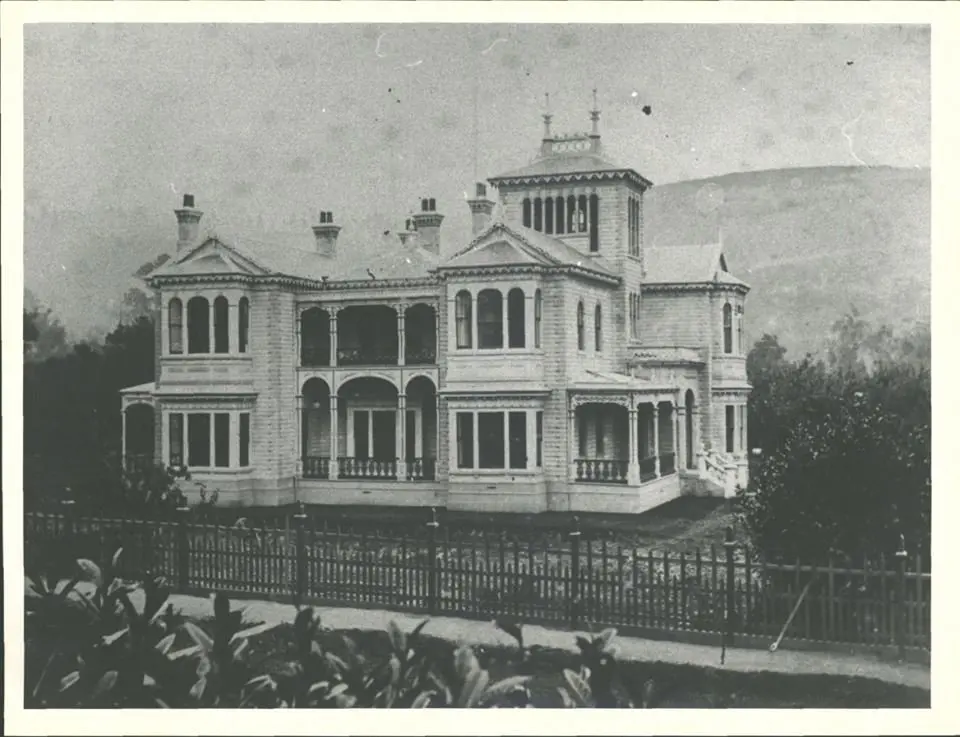
Success enabled Mr Gregg to buy Dale House in Duke St next to Woodhaugh Gardens in 1882. The magnificent home of 16 family rooms as well as stables, coach house, servants’ quarters and tastefully laid out lawns had been the residence of the Bishop of Dunedin.
It seemed his prosperity was assured, but the depression of the 1890s threatened to bring it all crashing down.
Mr Gregg’s investments in gold dredging companies proved to be a misstep and he had to restructure the firm. It could be that his wife Eleanor, daughter of sheep station owner John Lovell, helped provide money to keep the operation afloat.
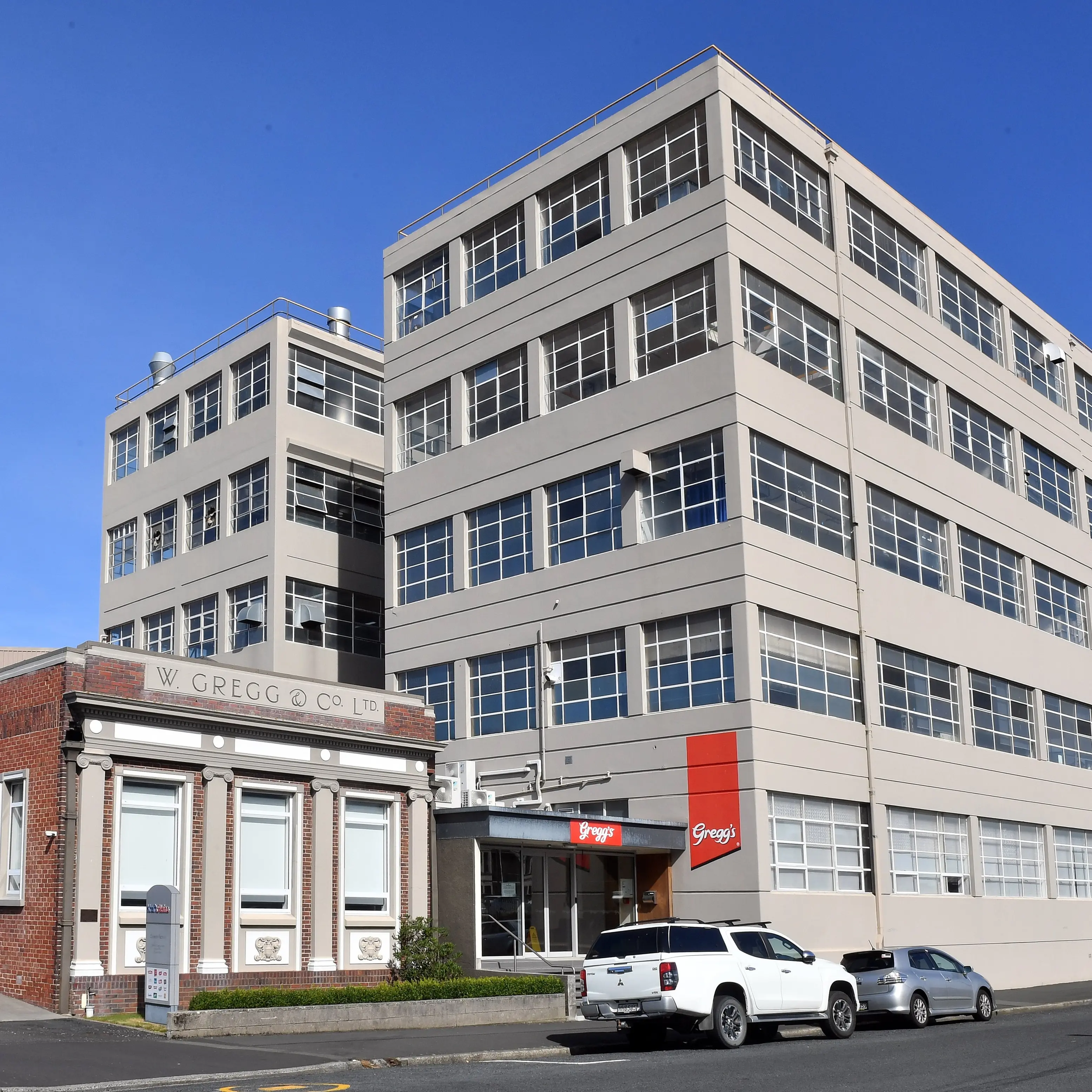
The company began to recover by the end of the 1890s. Incorporated as a limited liability entity in 1897, it looked to expand into Australia and beyond. However, Mr Gregg would not be able to witness this glittering future for long, as he died at the relatively young age of 65 in 1901. His obituary described how he had been ailing for some time and died at home after he was ‘‘seized with an apoplectic stroke’’.
His enterprise, however, continued to expand, developing into a well-known household brand selling a vast array of products.