

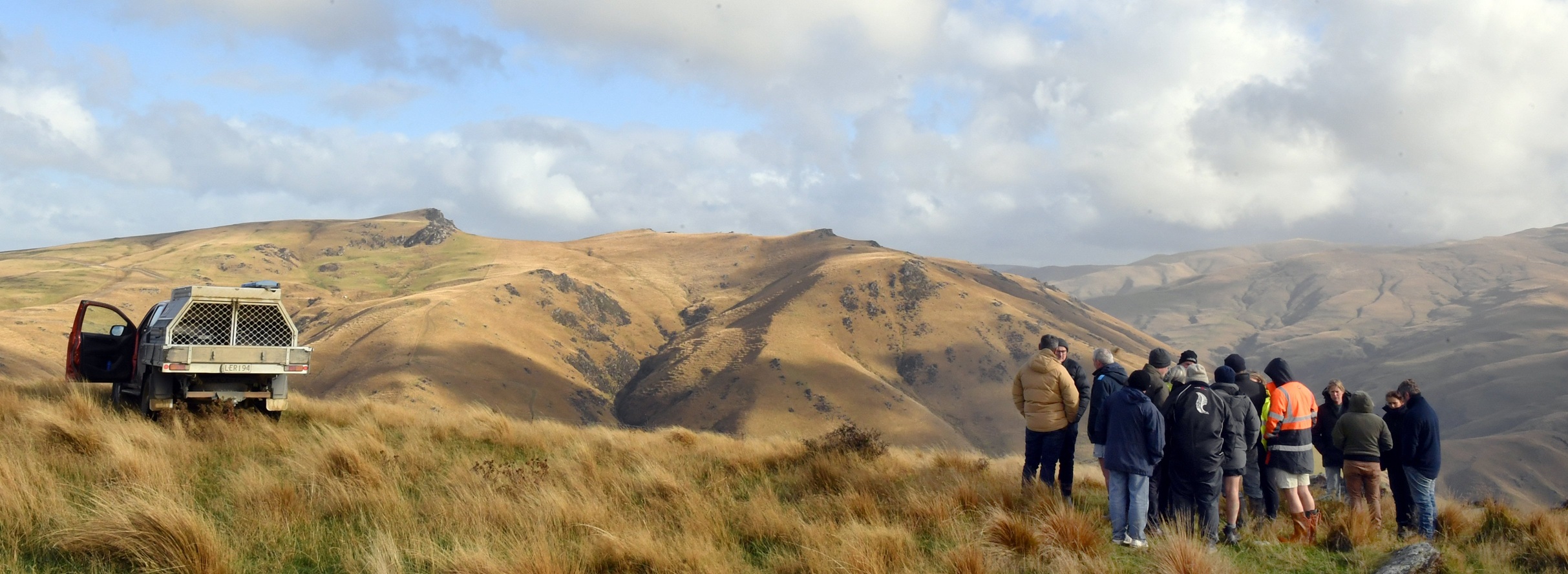
Yesterday, Ernslaw One South Island regional manager Cameron Alderton confirmed Pomahaka Forest — previously a sheep, beef and deer farm known as Warthill — was expected to be offered for sale later this month as a fully planted forest.
In 2024, local farmers expressed concern about the conversion of the 2500ha property by Ernslaw One.
They were concerned, in particular, about potential wilding pine spread and outraged a wilding tree risk assessment was completed by one of the forestry company’s employees — something it said was standard industry practice.
They also feared the potential for increased pests, fire risk, devaluation of their properties and deterioration of the Pomahaka River.
The Otago Regional Council later requested additional information from Ernslaw One and got an independent assessment of the wilding risk calculator score.
An updated planting plan was then supplied to the council and there was a reduction to the planned planting area of Douglas fir with Pinus attenuata planted instead.
When the property was offered for sale for the first time in 96 years, Warthill had estimated five-year stock units of about 11,500 sheep, beef and deer, along with three houses on the property and shepherd’s quarters.
Asked whether it was always the intention to sell the forest soon after planting, Mr Alderton said the company could not comment on the timing "as our responsibility is the establishment and care of the forest in line with New Zealand forestry regulations and good industry practices".
In an email to neighbours advising of the impending sale, Mr Alderton said the company recognised the update "may come as a surprise or be disappointing", particularly given the conversations held when the forest was first established.
"At that time, Pomahaka was designed and developed to support long-term, sustainable forestry management, and that intent is reflected in how the forest has been established, including planting choices, wilding risk mitigation, roading and ongoing management practices.
"While ownership arrangements may change over time, the foundations that have been put in place to support responsible forest management will continue to guide how the forest is managed into the future."
It valued the relationships it had with neighbouring landowners and appreciated the engagement that had occurred over the life of the forest.


