
PHOTO
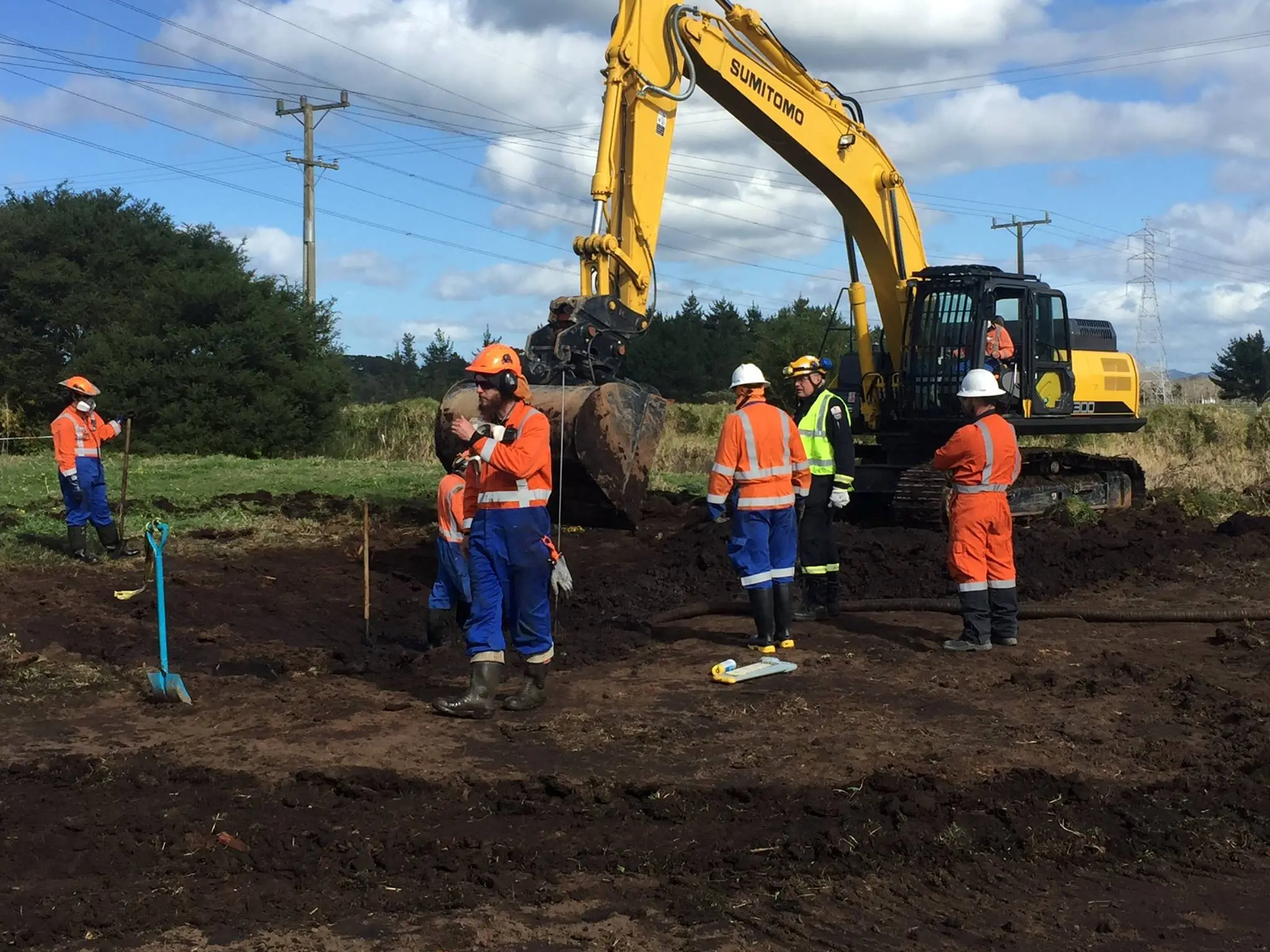
The fuel-pipe damage which caused fuel rationing for 12 days at Auckland International Airport appeared to have minimal disruption on flights.
The airport company yesterday reported 97% of domestic and international flights operated during the period in September.
Impacts to travel and trade were largely mitigated as airlines worked hard to accommodate affected passengers. Services were back to schedule in time for the third term school holidays.
International passenger numbers were up 2.2% at the airport in September, compared with September last year, the company said.
Winter holiday travel continued to drive growth on Pacific Island routes, up 5.4%.
The later timing of the New Zealand and Australian school holidays, combined with the impact from the temporary fuel disruption, resulted in lower passenger growth in September.
``We expect to see much of this growth to move into October 2017,'' the airport company said.
Qantas and Emirates had announced network changes to their transtasman services from late March 2018.
Emirates would stop flying its Brisbane and Melbourne services to Auckland, to focus on its daily long-haul Auckland-Dubai A380 service which better served European traffic.
At the same time, Qantas would increase the frequency of its Auckland services from Melbourne (up seven flights a week) and Brisbane (up two flights weekly), and use more wide-body A330 aircraft on its transtasman routes.
Chief executive Adrian Littlewood defended the $1.8billon infrastructure spending programme he called the most significant since the airport's original development in the 1960s.
The $1.8billion investment in aeronautical infrastructure over the next five years came after a long period where airlines and the wider community were consulted on the airport's future needs and what its operations and pricing priorities should be, Mr Littlewood told shareholders at this week's annual meeting.
In the same period, the airport would cut the average annual international passenger charge by 1.7% and raise the equivalent domestic fee by 0.8% to help fund three more contact gates for international aircraft, a new domestic jet terminal, expanded border processing area and public arrivals space, and upgrades to international check-in.
``It is a responsibility to our customers we treat with care, but we are also balancing many other expectations - including those of you, our shareholders, looking for a fair return on a major investment programme,'' Mr Littlewood said in speech notes published on the NZX.
``We believe we have struck a fair balance in our investment and pricing decisions for the next five years.''
The programme has already been criticised by the airlines' umbrella group - the Board of Airlines Representatives - as only benefiting airport shareholders, something Mr Littlewood had previously played down.
More recently, the Commerce Commission said it would look at the proposed spending in its semi-regular investigation into how the airport set its prices to ensure it was not rorting customers.
Mr Littlewood said the airport was ``clearly conscious'' of passengers and airlines when setting the programme, and reiterated that in the next five years it would take ``significant steps'' towards opening a second runway with earthworks scheduled to start in 2020 or 2021.
``It is critical we maintain a very strong focus on providing the best customer experience we can during what has been and continues to be a time of significant change.''
Chairman Sir Henry van der Heyden said the board tightened oversight of aeronautical pricing during the 2017 financial year, setting up an ad-hoc sub-committee to provide governance oversight of the plan and price changes from 2018 to 2022.
``Our modest price changes for that period and our $2billion infrastructure investment plan will deliver significant benefits for passengers.
``The new pricing and capital expenditure programme balances the needs of passengers, the airport community, the tourism community, our investors and the airlines.'' - Additional reporting Business Desk