
PHOTO

Households in Otago, Southland and Auckland are the most pessimistic in the country as regional economic confidence lifts off its Covid-induced lows.
The latest Westpac McDermott Miller regional economic survey for the September quarter showed regions with large tourism sectors such as Otago had continued to struggle.
Confidence in the main urban centres, particularly Auckland, had remained low while Southland confidence had been rocked by the news that Tiwai Point aluminium smelter would close.
Regions with large agricultural bases continued to be ‘‘relatively more confident’’ and Nelson/Marlborough/West Coast, Taranaki/Manawatu-Whanganui, and the Bay of Plenty were standouts.
A net 15% of households in Otago felt pessimistic about the economic prospects for the region over the September quarter.
That was a marked improvement from the previous quarter as net pessimism stood at 33% in June.
The reopening of the region to domestic tourism would have boosted tourist hot spots such as Queenstown and Wanaka.
Resilience in the agriculture sector might have also provided some respite for otherwise weak regional incomes.
However, with little sign that border restrictions would be loosened, it was expected the region’s economic confidence would remain in negative territory well into 2021.
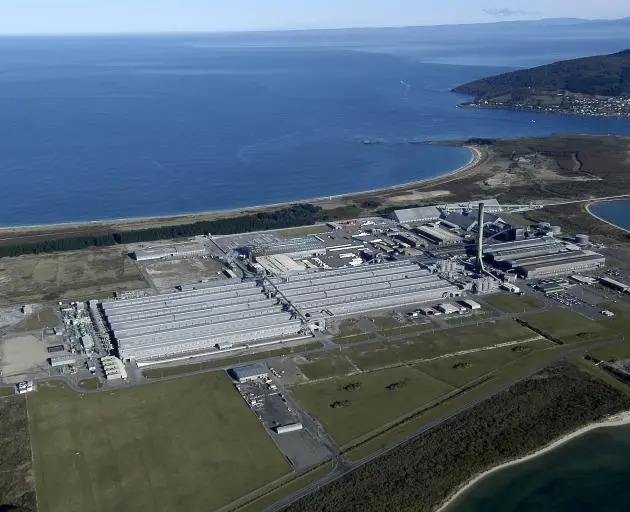
Confidence in Southland took a seven-point hit over the quarter as the news of the plan to close Tiwai Point smelter rocked the region.
In July, smelter part-owner Rio Tinto announced production would end there in August 2021.
The smelter is the region’s largest employer, with more than 2000 direct and indirect jobs connected to it. It accounted for about 10% of the region’s GDP.
Yesterday, Labour promised to keep the smelter on life support for another three to five years while the Government worked to transition the region's economy.
The drop in economic confidence might have been worse if it had not been for the ongoing resilience in the region’s agricultural industries, the report said.
As the smelter closure played out, the bank expected Southland to be the one region with a large agriculture base that underperformed.
Nelson/Marlborough/West Coast was the quarter’s biggest mover with regional confidence jumping 25 points during the quarter, with a net 9% of households now expecting their region’s economy to strengthen over the next 12 months.
The reading also made the region’s households the most optimistic in the country.
The jump in sentiment reflected the resilience of key regional industries, including agriculture, horticulture, viticulture, forestry and fishing.