


Following in the footsteps of queer 20th century expatriate painters who left New Zealand for Europe to immerse themselves in the culture of the “old country’’, Imogen Taylor has settled in London.
Taylor spent some time researching those 20th century painters during her time in Dunedin as the Frances Hodgkins’ Fellow in 2019.
While the Aucklander discovered a love for Dunedin during that time, she left for her long-awaited Wallace Art Award residency in New York as soon as the fellowship finished.
Only Covid-19 hit and closed the residency, sending Taylor back home within a month.
She moved back to Auckland seeking to be immersed in a larger community of artists, before deciding in 2024 her career was right place to be able to move overseas.
“It’s been a really tricky time since Covid. It’s made making art particularly hard and I think it’s made isolation really hard and isolation can be great for a practice but also it can be really difficult, so London’s been really great for the work.
“It’s just been immersed in so much art and just having the proximity to amazing exhibitions and being able to travel to Europe really easily and see that work.’’
One of the exhibitions that stands out for her is American painter Kerry James Marshall’s survey “The Histories’’ at the Royal Academy last year.
At the time Taylor, who moved with her partner and dog Dusty, was thinking she would abandon her acrylic paints for oils because “everyone works in oil paints there’’.
“But his work is all in acrylic and there’s something really masterful. I’ve always worked in acrylics. It’s seen as being the kind of lowbrow cousin of oil painting. So, to see that work really elevated the medium that I work in, it kind of encouraged me to keep working in the way that I do.’’
It has been three years since Baker first approached Taylor to do the exhibition as it has been delayed by City Gallery unexpectedly closing for renovations.
“From when it was conceived it has changed a lot,’’ Taylor says.
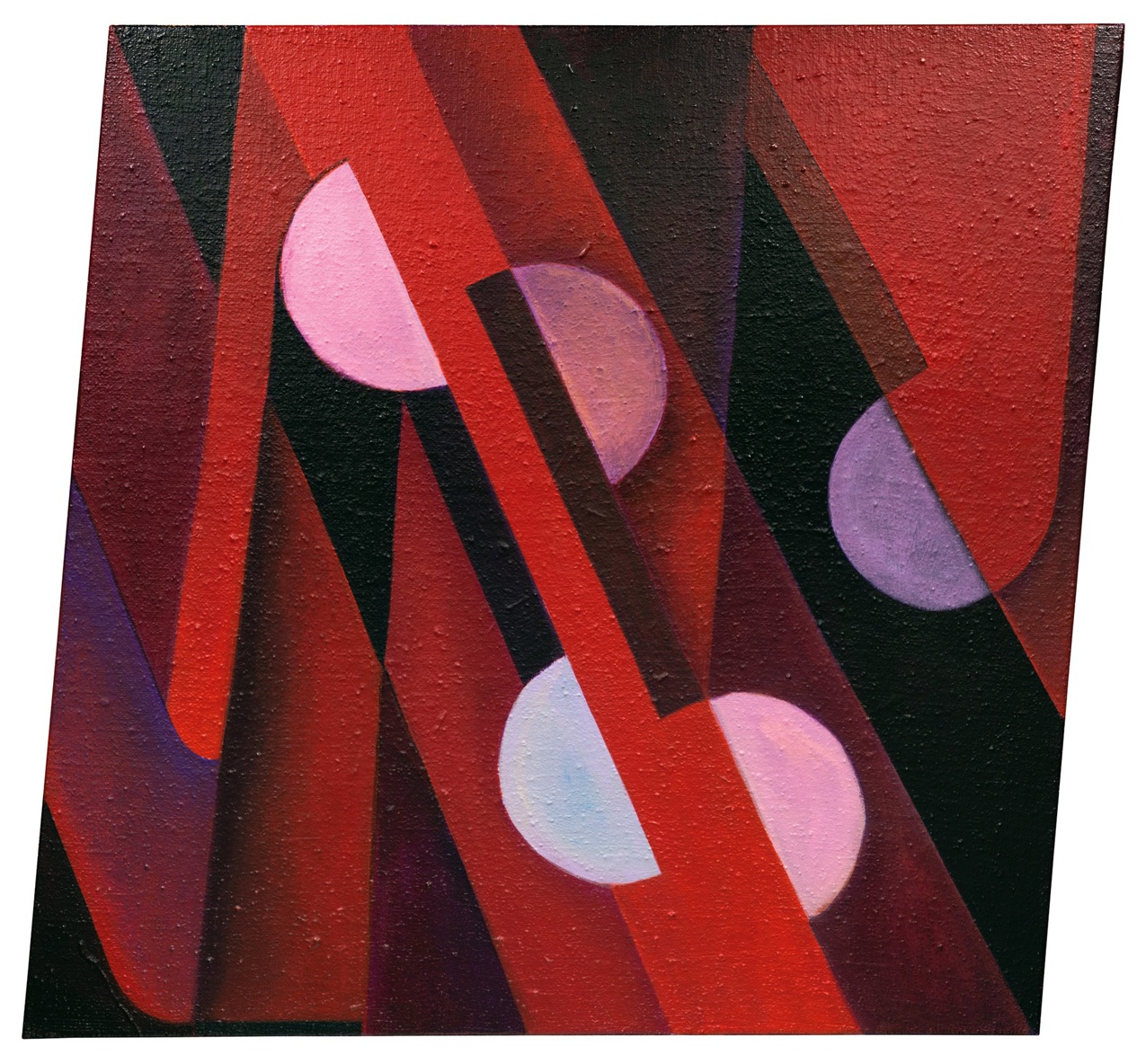
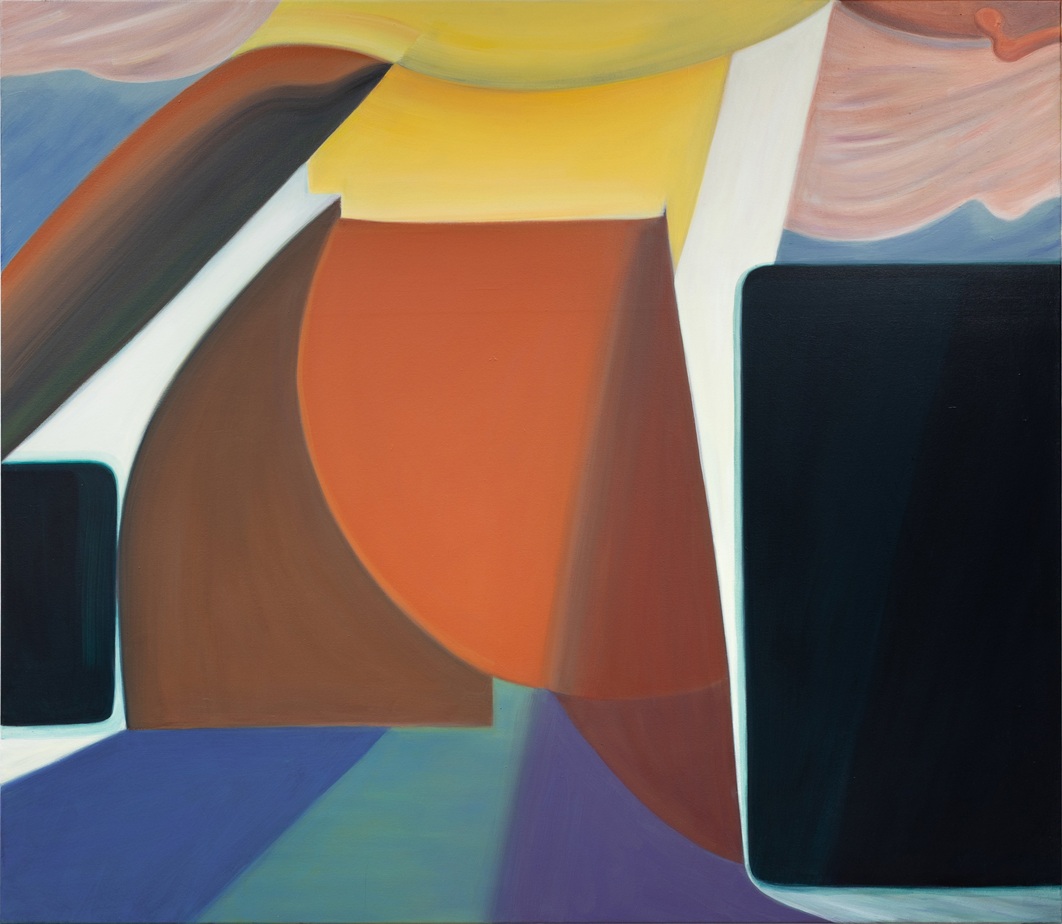
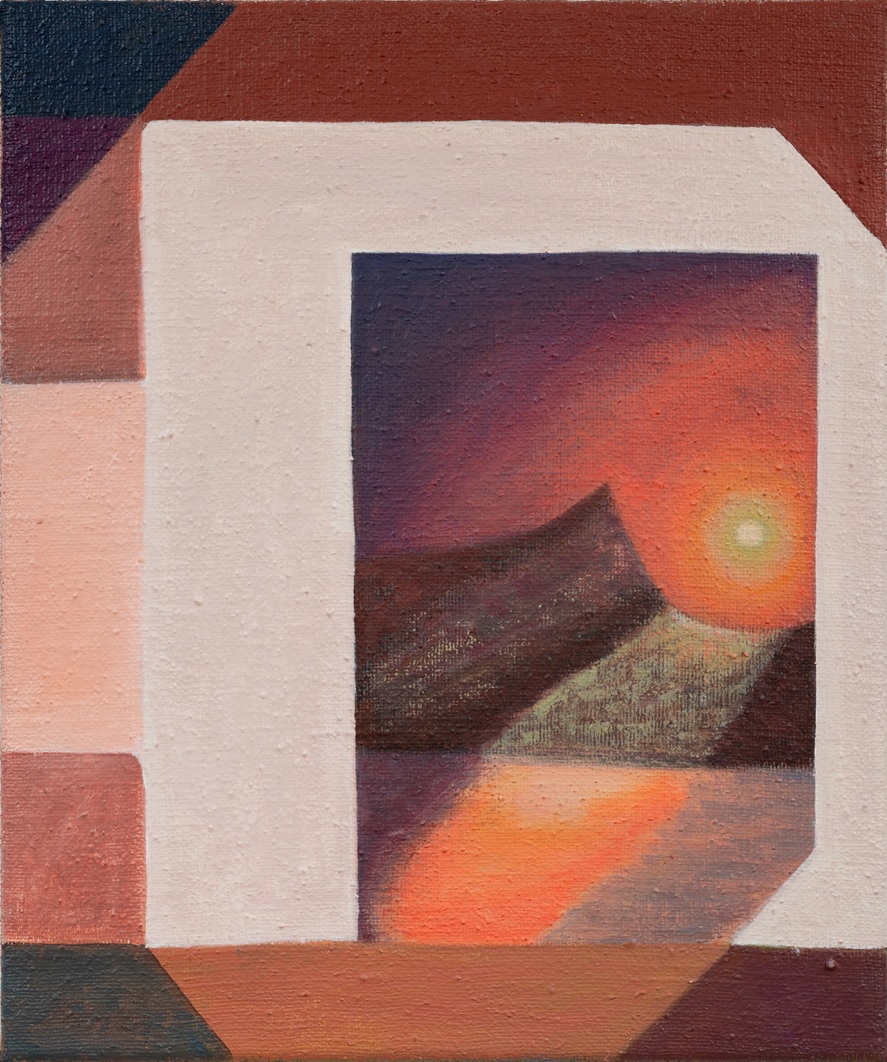
The exhibition now features work from the past four years, some she painted while living in Auckland in 2022 through to works she has made while living in London — some in a small studio no bigger than a bedroom until she had to seek out a larger space.
Baker says the exhibition picks up on the ideas Taylor has been exploring throughout her practice.
“So her engagement with the history of landscape painting in this country is in the show, her engagement with queer art history is present, her interest in the painterly process is very evident in the show and so there are all these thematic strands in her work that I was really drawn to as both a curator and a writer.’’
Having written about Taylor in her book Sight Lines (2024), Baker has been thinking about the artist’s practice for a long time and believes the exhibition has brought together a group of paintings that represent the complexity and depths of Taylor’s practice as well as the way painting operates as a mode of thought and exploration around quite big ideas.
The ideas “are always kind of laced with humour and a real awareness of the act of encounter for a viewer and a painting’’.
“I think this show offers a way into an entire body of practice that expands beyond this gallery space, so I’m hoping people will come in, pick up threads that link paintings, maybe be surprised by things that link paintings, but then want to go away and explore what else she’s done, her practice beyond this period that’s represented here.’’
The exhibition space is divided in two by a half-height wall to “interrupt the space’’ as well as providing more hanging space and decorated with a picture rail responding to the title of the show “From Behind’’.
“We’ve kind of set up quite a bit of that friction for people as they come in so you’re seeing the fronts and backs of works at the same time, you’re seeing different scales at the same time, if you stand here you completely erase the work on the other side, but if you move just a few feet in one direction it pops out and a different one becomes invisible.
“So really making physical that idea of positionality as being a really important determining factor in what you’re seeing and how you experience something.’’
Taylor says the rail also highlights the thread of domesticity in the paintings.
“There’s like razors and cigarettes and dishcloths and a picture rail is typically in a domestic space.’’
She has been worried the two bodies of work — those made in New Zealand and those in London — might feel like they were done by different people.
“Now that they’re in the space, they’re having conversations even though they’re over a four-year period which is, in a painting life that is a long time, a lot can happen.’’
Returning to Dunedin for the exhibition has led Taylor to think a lot about her time in the city for the fellowship.
“I feel like a different person. Obviously, I was 32 and now I’m 40, and that’s quite a jump in different ages.’’
Back then she also had no interest in her ancestry but moving to the United Kingdom on an ancestry visa has changed that.
“My family are originally from there and I was thinking about Pākehā identity and how Pākehā identity relies on abandoning ancestry from the UK in order to establish identity here, so I was kind of looking back.’’
She was also in regular talks with Baker, who is Scottish.
“I was in the UK talking to her in Aotearoa, she was in Aotearoa talking to me in the UK so there were this kind of crossing over of constructed identities.’’
Along the way Taylor has also discovered Dunedin was the entry point for her ancestors coming to New Zealand.
“At the time I didn’t realise I had all these ancestors kind of buried here as well, now knowing that it’s a lot more profound coming back.’’
It has also made her reflect on how important the fellowship was to her, given the pandemic that followed.
“That was a couple of years that I didn’t predict for my practice so I think, that fellowship financial support is what got me through those couple of years because it provided me with a break and a patch of time to really develop quite a lot of work and get really strong in my practice and then also just having the financial support to not have to be selling work at that time.’’
She is “troubled’’ by the difficulties facing the fellowship.
“I think the future of it it’s worrying and I really hope that it can get back on track because it just made such a huge difference to my life and to my work.”
The creative sector overall is facing difficult times forcing financial constraints on artists, she says.
“We were just talking about [New Zealand painter] Lois White [1903-84] and her practice and how during the Depression she had to work on cardboard. I think we’re starting to see these things at the moment, the arts aren’t getting as much support as they used to at the moment under the current government so I think those outside things are really affecting the way the artists can work.’’
In London, after two years, Taylor is finally feeling comfortable in her practice again. It is the first time in 10 years she has spent more than two years in one place.
“Uprooting can be really difficult. I don’t know how Frances Hodgkins did it with her European journey paintings, like how she managed to continue a practice throughout moving and relocating to all of these places.
“I think you can kind of see it in her work. It makes the work quite restless and slightly unsure of itself, which I think can also be a good thing. It means you’re still learning as you’re going along as a painter.’’
For Baker having the exhibition open in Dunedin last weekend was exciting and kind of a “double homecoming’’ for Taylor.
When it moves to Wellington later this year it will the first time Baker has worked in the newly renovated gallery spaces.
“So I’m really excited to figure out spatially how that plays out and how we draw connections across the two different gallery spaces that the show will be in. Maybe adding some things in. And just really looking forward to hearing feedback from how it’s sat here and how its life has kind of shifted as it’s been up and running.’’
TO SEE:
Imogen Taylor, “From Behind”, Dunedin Public Art Gallery, until September 13.


