
PHOTO
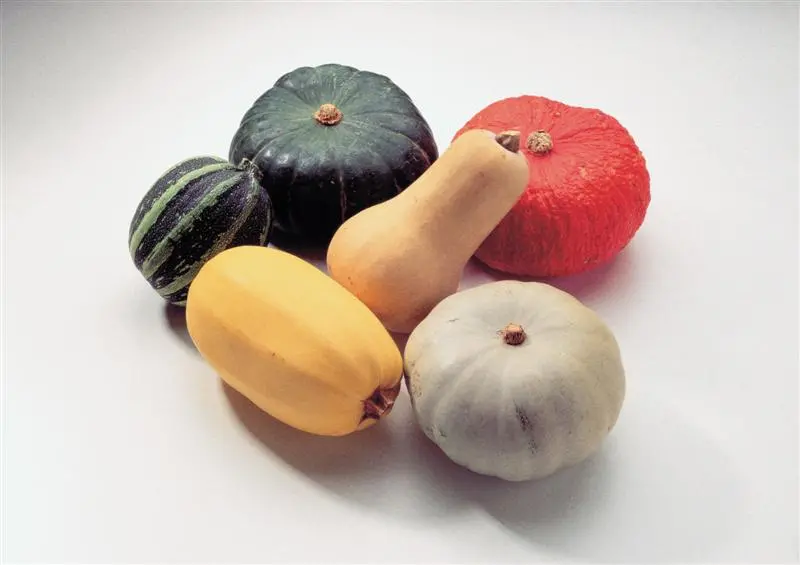
Thought to have originated in South America, pumpkins have been enjoyed for centuries. The Maori ate gourds baked in the hangi before Europeans arrived.
The terms pumpkin and squash are often used interchangeably. Pumpkin generally describes winter squash which are hard-skinned, hard-fleshed mature fruit. By contrast, summer squash are soft-skinned and include marrow, courgette (or zucchini) and scallopini.
There are lots of different varieties available and while they vary in taste and texture, most can be used interchangeably in recipes. Like most vegetables, there is sometimes enormous variation between characteristics of a specific type of pumpkin or squash.
This is caused by variations in growing conditions such as temperature, soil type and fertiliser used. Hence a buttercup squash grown at Pukekohe may taste significantly different from the same variety grown in Marlborough. Similarly, pumpkins grown in the same area may taste different each season.
Buttercup squash
They have dark rich green, hard skin with speckles and stripes and a round flat shape. Generally 15-20cm in diameter and about 1.5kg, they have a fine-textured orange to dark yellow flesh with a slightly sweet flavour. Immature buttercups will have a paler flesh. The skin is softer than other pumpkin or squash types and hence they have a shorter shelf life.
Butternut
They have a creamy beige skin and have an elongated cylindrical shape. They have orange flesh and a sweet flavour. Flavour varies with variety, growing conditions and season.
Crown or grey
They have a hard blue/grey skin, with a rich orange flesh. Crown pumpkins are generally 30cm in diameter, 10cm deep, and about 4kg. The most commonly sold crown in New Zealand is Whangaparaoa. Because of their hard skin they keep well and are usually available all year round.
Spaghetti squash
Pale yellow skin, about 20-30cm long, with a light yellow flesh. Either bake whole or cut into quarters and steam. Once cooked, spaghetti squash can be scooped out and incorporated into recipes and used like pasta. Spaghetti squash have limited availability and are generally available in the early months of the year.
Kumi kumi
Kumi kumi are stocky in shape with heavy ribbing. Immature kumi kumi are about the size of a tennis ball, have a nutty flavour, a speckled green soft skin with white-green flesh and are used like courgettes. Mature kumi kumi have a speckled green hard skin, are about the size of a netball, have a deep white flesh and are used like buttercup squash. Originally called kamo kamo by the Maori and considered particularly good for the hangi. Available December to April.
Halloween
These pumpkins have bright orange skin which is very hard and knobbly. The flesh is very dense and deep orange in colour. The most common variety is Red Warren.
Mini-squash or yumpkins
These are small and can have green, yellow or orange skins. Supply, though all year round, is limited with a better supply in the North. There are many varieties of small squash which are increasing in popularity. Each has slightly different characteristics and flavour. Varieties include sun drop, orange minikin, red hub, sunset squash, sweet mischief, and white acorn. Mini-squash have also become popular for decorative purposes - coated with polyurethane, they will last a long time in an arrangement.
What to look for -
Choose firm pumpkins and squash that have undamaged skin and feel heavy for their size. It is important to select pumpkin and squash which are mature. A mature pumpkin or squash will be shiny or slightly slippery to feel, while an immature one will be slightly sticky. Another indication is brown flecks (or corking) on the stem - the more flecks the more mature.
How to keep -
Store in a cool, dark, dry place. Once cut, remove the seeds, wrap in plastic film and refrigerate.
Nutritional value -
Pumpkins and squash are an excellent source of vitamin A, containing high levels of the pro-vitamin A carotenes (á-carotene, â-carotene, â-cryptoxanthin) which the body converts to vitamin A. Lutein and zeaxanthin are also found. The brighter and stronger the colour of the flesh, the more carotenoids the pumpkin will contain.
Some vitamin C, potassium and fibre are also supplied in useful amounts. Pumpkin is surprisingly low in calories, containing less than vegetables of similar texture like kumara, parsnip and potatoes.
How to prepare -
Pumpkin and squash are interchangeable and can be used in the same recipes. Some varieties have very tough skins which are difficult to cut. Often it is easier to cook the pumpkin with the skin on and then remove the flesh. This is easy when cooked in the microwave.
If they are whole, pierce the skin well before you cook them. Otherwise, they'll explode. Alternatively, roughly chop and boil or microwave the pieces until tender.
Ways to eat this vegetable -
Traditionally roasted, pumpkins can also be used in soups, flans, pies; baked and stuffed; or made into moist cakes and breads.
Baked, steamed, sauteed, steamed or mashed, they make a delicious side vegetable and are particularly enhanced by nutmeg. Cooked and cooled, they are also good in a salad.
Tips -
Some pumpkin varieties have tough skins which are difficult to cut. Often it is easier to cook the pumpkin with the skin on and then remove the flesh, which is easy if cooked in the microwave. If they are whole, pierce the skin well before you cook them to avoid exploding the pumpkin.
- vegetables.co.nz