
PHOTO
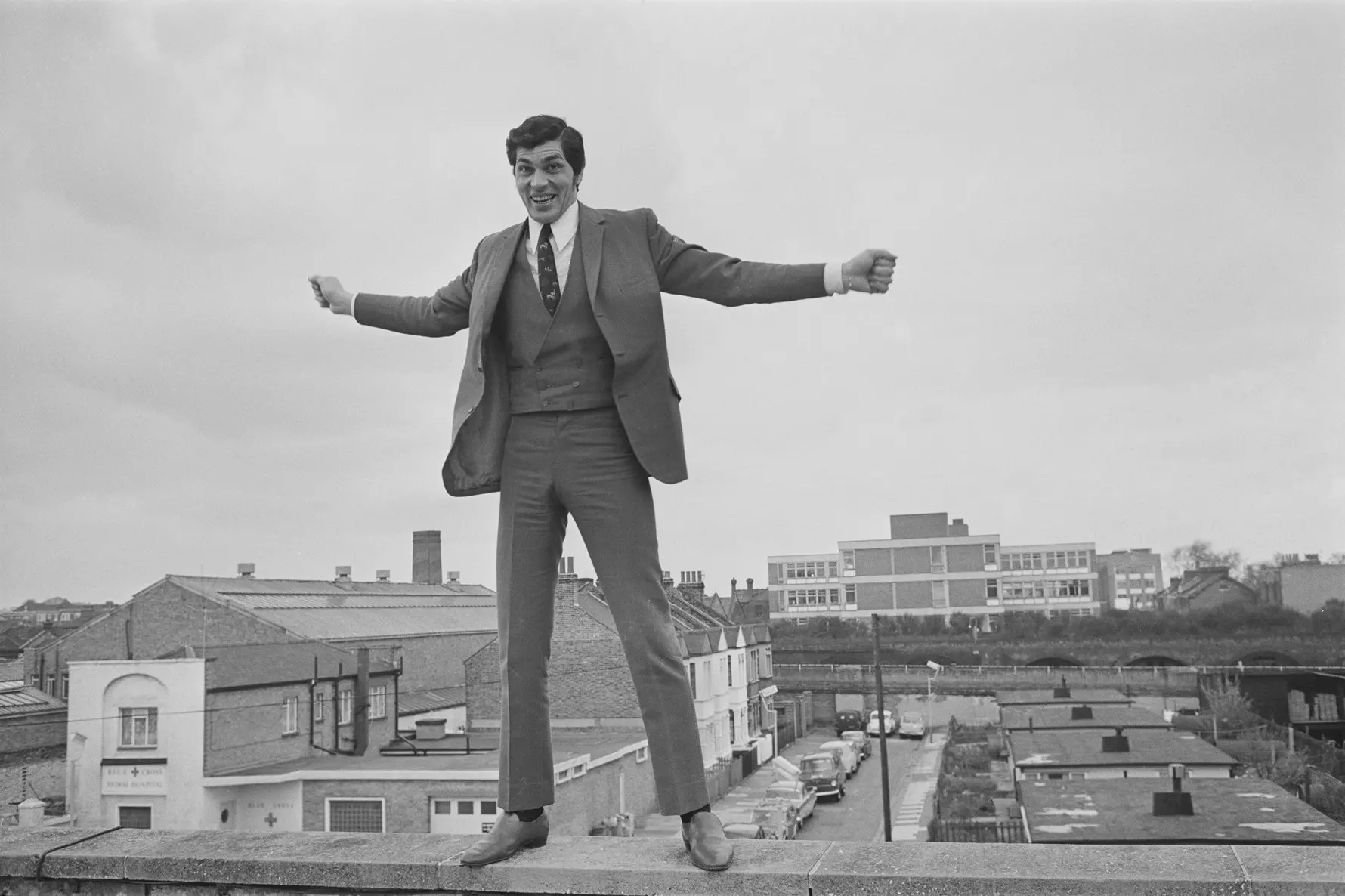
So, a couple of weeks ago I went to see Engelbert Humperdinck in concert. The two main responses to this when telling people were, who or what is that? — generally from the younger generation — and is he still alive?
I will go back a step or two to give this some fuller context — make that a generation or two.
My childhood was a good one and a big part of it was music. My nana (my mum’s mum) loved musical theatre and 1940s music like that of Glenn Miller, Vera Lynn, The Andrew Sisters, Frank Sinatra, Bing Crosby and she loved Louis Armstrong. She played the piano (averagely) and she would play it over the phone when I was very little and apparently, I would sing to her. I remember music and singing, and she took me to musicals and ballets at the Regent and the Mayfair theatres, music was a big deal to my nana.

Now, on my dad’s side, music was a given too. My pōua was in the Methodist Māori Choir who sung at Buckingham Palace for the Queen. It was sort of an expectation as Māori that you could sing, or, if you couldn’t, you knew the words to the hīmene and sang quietly. It was kind of a given that someone could also play the guitar and if you couldn’t, you learnt off a cousin or aunty, starting maybe with the ukulele and then on to the guitar. I can play, but I am very average . . . and, yes, it was a case of having to to be honest.
So, back to Engelbert. Growing up in a smaller rural village meant my parents went to weekend parties with their group of friends. These took place mostly in their garages or lean-to rooms, which were turned into a basic bar with drinking-type memorabilia and posters of past pop-star legends. Generally, the gatherings involved a similar demographic to them, bicultural marriages, Pākehā wife, Māori husband and kids like us.
So, there was a kind of unspoken understanding and knowing between us all, I guess. And there was a particular playlist that pervaded every get-together. There was a big mixture of country music, from Green Green Grass of Home to Stand By Your Man, to all of the Elvis hits because Aunty Lyn had been to Graceland and had a spiritual Elvis epiphany, to Neil Diamond classics and Glenn Campbell and yes, Engelbert Humperdinck. Engelbert sang the classic Ten Guitars, Quando Quando Quando, The Last Waltz, Release Me and more.
His classics were loved at Kiwi garage parties. In fact, his song Ten Guitars became an absolute hit in New Zealand at the same time that his song Release Me became an international hit in 1967. Māori loved this song and it became a banger with Māori showbands and at all the parties. I am pretty sure that I started to learn the basics of the guitar to that song too. Ten Guitars became a New Zealand cultural phenomenon.
So, my cousin messages our whānau and tells us that Engelbert is playing a concert in Christchurch and Dad responds immediately. He loves this era of music and Engelbert has been a dominant feature of his localised social life, like a long lost cousin.
We are all heading to Engelbert. My partner is coming too and I salute him for that, because it is a lot when whānau are heading to the concert of a 90-year-old pop singer who is loved by our people.
We arrive at the concert and most of the aunties from Rāpaki are there (a village between Lyttelton and Governors Bay). The age group certainly made me feel somewhat younger but the audience were committed, with their phones out, recording his every move.
He had a formidable band on stage who were there for him at every step. Engelbert pulled out all the stops, jokes, the songs we all love. He talked openly about being 90, losing the love of his life many years ago and his respect for New Zealand audiences. He was very much 90 but that was quite something, because he spent an hour singing on stage and the audience loved every minute of it.
We walked away that night wondering what we had just witnessed and debriefed the experience, one I don’t imagine I will have again. Who knows though? Bruno Mars might still be going at 90?
I took a few videos throughout the concert and sent them to my three children and they all commented as if Engelbert were their uncle after a few drinks, singing karaoke to his heart’s content. However, they absolutely loved seeing their pōua up on his feet, dancing and singing to Engelbert. The intergenerational love for these old masters of epic tunes will never be forgotten.