

Ailing or thriving? Entering the death spiral or more innovative than ever before?
It has been a traumatic couple of years for New Zealand science and researchers. There was little or nothing of substance in last year’s Budget and over the past 12 months we have seen an ongoing erosion of support for climate-change science, arguably the country’s most vital area of research and advocacy.
During her shock 14-month reign as science, innovation and technology minister, retiring National MP Judith Collins took a wrecking ball to the sector.
In February 2024, she scrapped Te Ara Paerangi, a huge Labour government project involving hundreds from the science and research community. Its white paper set out ways for improvement, especially ensuring equal access for all, especially young researchers, and Māori and Pasifika, to science careers. It issued a clarion call to do something about the creaking Crown research institutes, set up in the early 1990s.
In its place she announced two advisory groups, for science and the tertiary sector, chaired by former chief science adviser Prof Sir Peter Gluckman. As a consequence of the science review, it was announced in January last year the seven CRIs would be amalgamated into three public research organisations (PROs), with a fourth to carry out advanced technological research.
Not content with canning Te Ara Paerangi, Collins slashed the country’s prestigious blue-sky research fund, the Marsden Fund, announcing in December 2024 it would no longer support humanities and social sciences research.
Researchers are still reeling at the changes, which government papers released under the Official Information Act showed Collins pushed through regardless of officials’ advice. At the time, now-retired University of Otago deputy vice-chancellor, research and enterprise, Prof Richard Blaikie, called the move "particularly ill-informed and counterproductive".
Then there was the official abandonment of any attempt to bring research and development spending up to 2% of gross domestic product (GDP). For years, New Zealand had aspired to reach the GDP spending levels on R&D of nations we like to compare ourselves with — for example, Sweden, at 3.4%-3.6%, and Denmark at about 3%.
Instead, the level here is stagnant around 1.5%.
Last April, Collins’ successor, Dr Shane Reti, said the government was no longer interested in the target and was instead focused on spending more generally on R&D.
Some in the sector say while R&D spend in the private sector may be rising, it’s at the expense of basic research and maintaining long-term capability in specialist areas.
Science is often seen as a somewhat mysterious cure for our ills. But while we need to be ambitious for the sector, there are always more immediately pressing nationwide priorities.
"Everyone gets that these are challenging times," Blaikie says. "There’s a cost-of-living crisis, there’s housing, there’s all kinds of issues the government has to deal with.
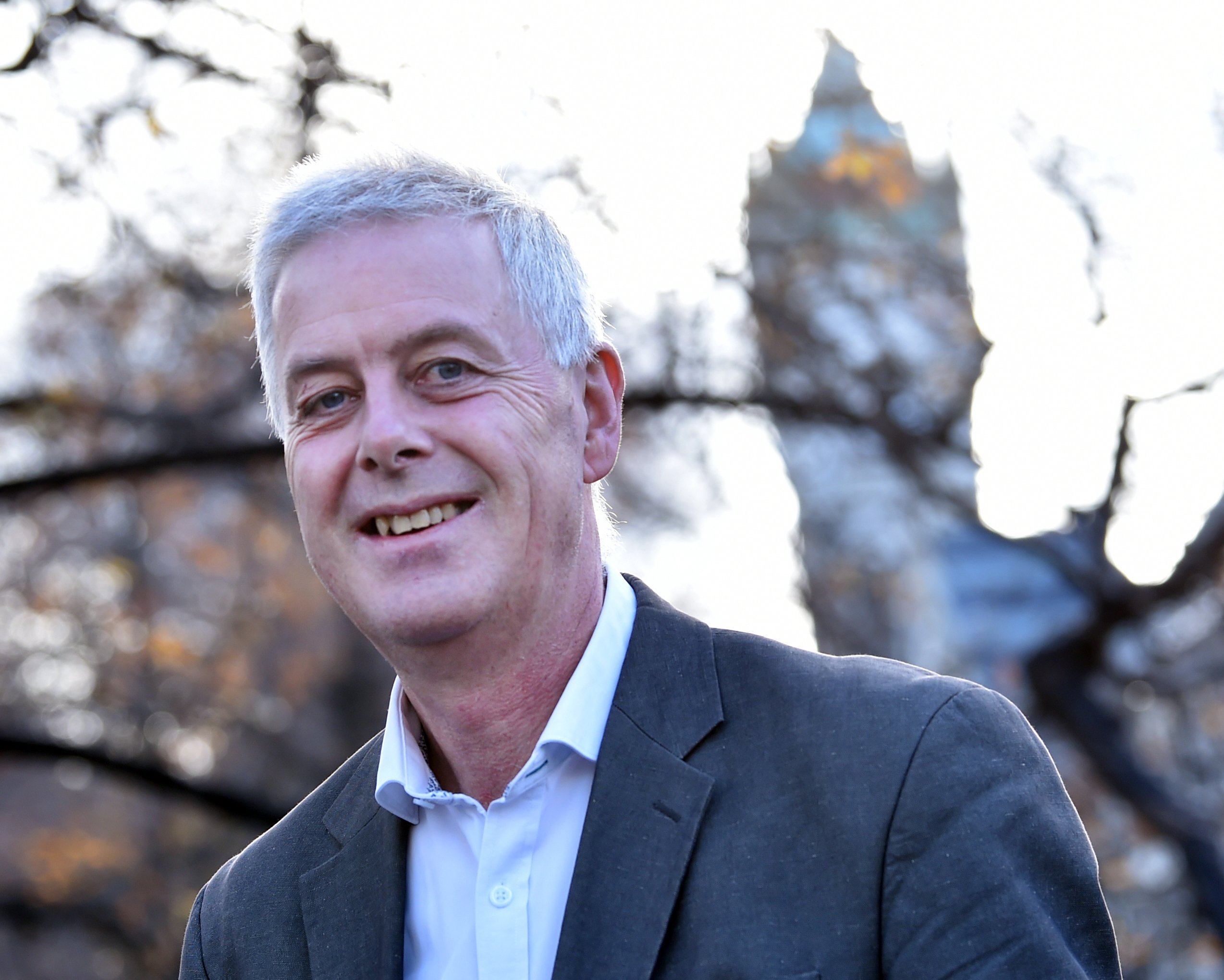
"Research isn’t the only way to solve those problems, but it’s a big contributor."
New Zealand has produced many famous scientists. Think of Ernest Rutherford, Beatrice Tinsley, Alan MacDiarmid, Joan Wiffen, Jane Harding, Roy Kerr, Maurice Wilkins, Paul Callaghan, Siouxsie Wiles, Anne Salmond, James Renwick and Shaun Hendy.
But in the past two years an estimated 600 or so public sector science-related roles have been cut. The brain drain is alive and well, with hundreds packing up and taking their expertise to other countries.
Blaikie believes we can still produce future scientific leaders of the same global standing.
He says it’s up to the Ministry of Business, Innovation and Employment (MBIE), and the new Research Funding New Zealand body, to help "regain that confidence and assurance" in a publicly funded system "in a state of flux".
"Things are a little bit lost at the moment."
That’s an understatement as far as New Zealand Association of Scientists (NZAS) co-president Prof Troy Baisden is concerned.
New Zealand is on the "verge of the death spiral" and at a "tipping point" where it will lose its hard-won international scientific reputation and relationships, he says.
He talks of structural and governance failure, chronic underfunding, destroyed career paths and short-termism, attacks on social science and Māori research, weak public accountability for funding, and a lack of political champions.
"We need to think about the careers that we need and make sure that we support, build, recruit, maintain and stop losing people overseas that can run this show. We could potentially still do that. It won’t be pretty again in five years, but we could be on the upswing."
At the association’s conference last November, co-president Dr Lucy Stewart said so many bad things were happening in the sector it was hard for NZAS to keep up.
"This year, as you’re probably all aware, has been a very difficult year for science and scientists in New Zealand. What epitomised that to me, in terms of the work the association does, is a couple of weeks ago ... the government made some pretty radical changes to the way we respond to climate change, which are not really aligned with the best science.
"This is the kind of issue where normally NZAS would look to do some media, put out a press release, have some conversations about that. We simply did not have the capacity to do that because we have spent all year responding to everything else that has been happening to the science system."
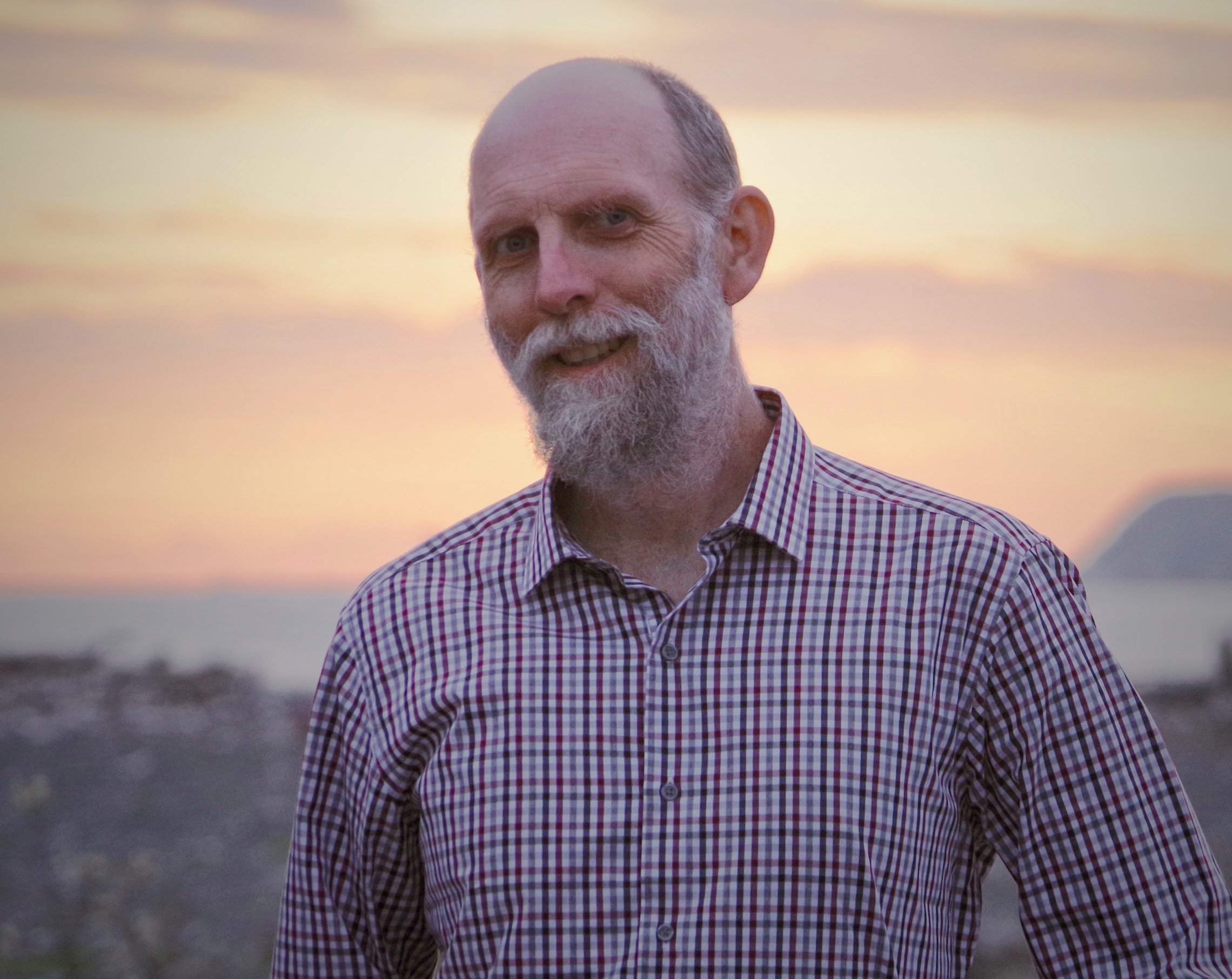
"But the rhetoric is not matched by what is happening to the science system in a way that is quite distressing, I think, for a lot of people.
"We have a government saying ‘we love science’ and science is necessary for the economy, and we want to support it, at the same time as there are more and more cuts.
"What we know as scientists is that the research system really is built up of people. It is people who hold that expertise, it is people who do that work. It is not a thing where you can just switch out scientists like widgets, and say ‘well, we’ll get rid of a bunch and if we need them again in three years we’ll just order a bunch more’."
Over a coffee, Baisden sheets home blame to politicians, government officials and the super-ministry MBIE, which has "all the problems of sprawling government inefficiency".
He points to a report by the New Zealand Initiative in September last year, Unscrambling Government: Less Confusion, More Efficiency, which highlighted how confusing the relationship is between portfolios, ministries and super-ministries, and ministers.
"We have the layer of top executives, the ones underneath the chief executive, who would be CE of any other ministry but don’t tend to hold knowledge or experience in the area they’re responsible for.
"They’re experts in managing the political process ... operatives much like private secretaries. They don’t know what they don’t know. This is a change that has emerged with super-ministries over the last 10 years.
"Currently we’ve got a situation where the ministry keeps trying to fix the science system only enough to be able to sell it to Cabinet. It is astounding. How could we possibly have a science system that delivers for the public?"
The system is broken, he says.
"It doesn’t deliver anything at a reasonable cost. It often doesn’t deliver at all. Or, you know, people don’t even know where to turn for the quality of science that they need, or they think they should have."
He believes New Zealand had great champions in the Labour Cabinet in former research, science and innovation minister Dr Megan Woods and former health minister Dr Ayesha Verrall. But even they "had no idea" how to fix the system.
"They created a [Te Ara Paerangi] green paper, which I would never advise anyone do again. Turns out I agree with the James Shaw perspective on how to do anything — you must not arrive in government without an idea how to do it, or the officials will destroy it.
"If you’ve got an idea, you need it to be like the Zero Carbon Act, where it’s already got a firm plan that’s ready to go to the select committee process. If it involves officials, particularly officials in super-ministries, writing it, it will die."
Baisden cites Nobel Prize winner, economist and political scientist Elinor Ostrom, who developed a system with a cycle of reciprocity, trust and reputation.

New Zealand needs to follow the wisdom of American engineer and inventor Vannevar Bush, whose 1945 report Science, the Endless Frontier, outlined the connection between government, universities and research, and the need for basic research to ensure nationwide prosperity, security and health.
"Create a compact between science and society that allows scientists to take responsibility independently, build communities of research that deliver excellence, deliver way more than the sum of their parts [and] multipliers like eight, 11, 20 times every dollar that goes in.
"People would fear disassembling something like that, but that’s precisely what we’ve done here over the last 30 or 45 years. And how do we rebuild it? The only way is actually to be able to take it to the electorate, because otherwise it goes to Cabinet."
Science, Innovation and Technology Minister Reti doesn’t acknowledge or appear to share any concerns about the way science is going.
He told The Weekend Mix the government had been laying the foundations for a "transformed science, innovation and technology system that is simpler, more commercially-focused, globally competitive, and oriented to real-world outcomes that benefit all New Zealanders".
It had implemented the "most significant reforms" to the science system in decades, including simplifying science funding by creating Research Funding New Zealand, establishing the PROs and a new national intellectual property policy, to give Kiwi researchers "more control over their inventions and greater opportunities to turn world-class ideas into commercial success".
There have been major multimillion-dollar, seven-year investments in AI research, future material science, biodiscovery research and quantum technologies, as well as money for Endeavour research programmes, the Antarctic Science Platform and catalyst funding for overseas partnerships.
Labour science, technology and innovation spokesman Reuben Davidson is far less sanguine.
"National have been experimenting with the science sector and they’ve failed.
"[Prime Minister] Christopher Luxon is gambling with New Zealand’s future, with reckless disregard for the very scientists and science that we should be backing right now. Under his government, jobs have gone, research has ceased and science is leaving our shores.
"Many in the sector are fearful of the current climate and see permanent damage if National’s austerity trajectory continues."
Labour would keep scientific talent here and attract the best overseas researchers to ensure our "bright sparks of innovation" are supported and not snuffed out.
Blaikie, now an emeritus professor at Otago University, is on the side of the optimists, but wise to what cuts to the sector mean.
"The underlying question that always gets kicked down the road is resources. What are we prepared to invest, as a nation, in the research that will help to determine our future prosperity and well-being?"
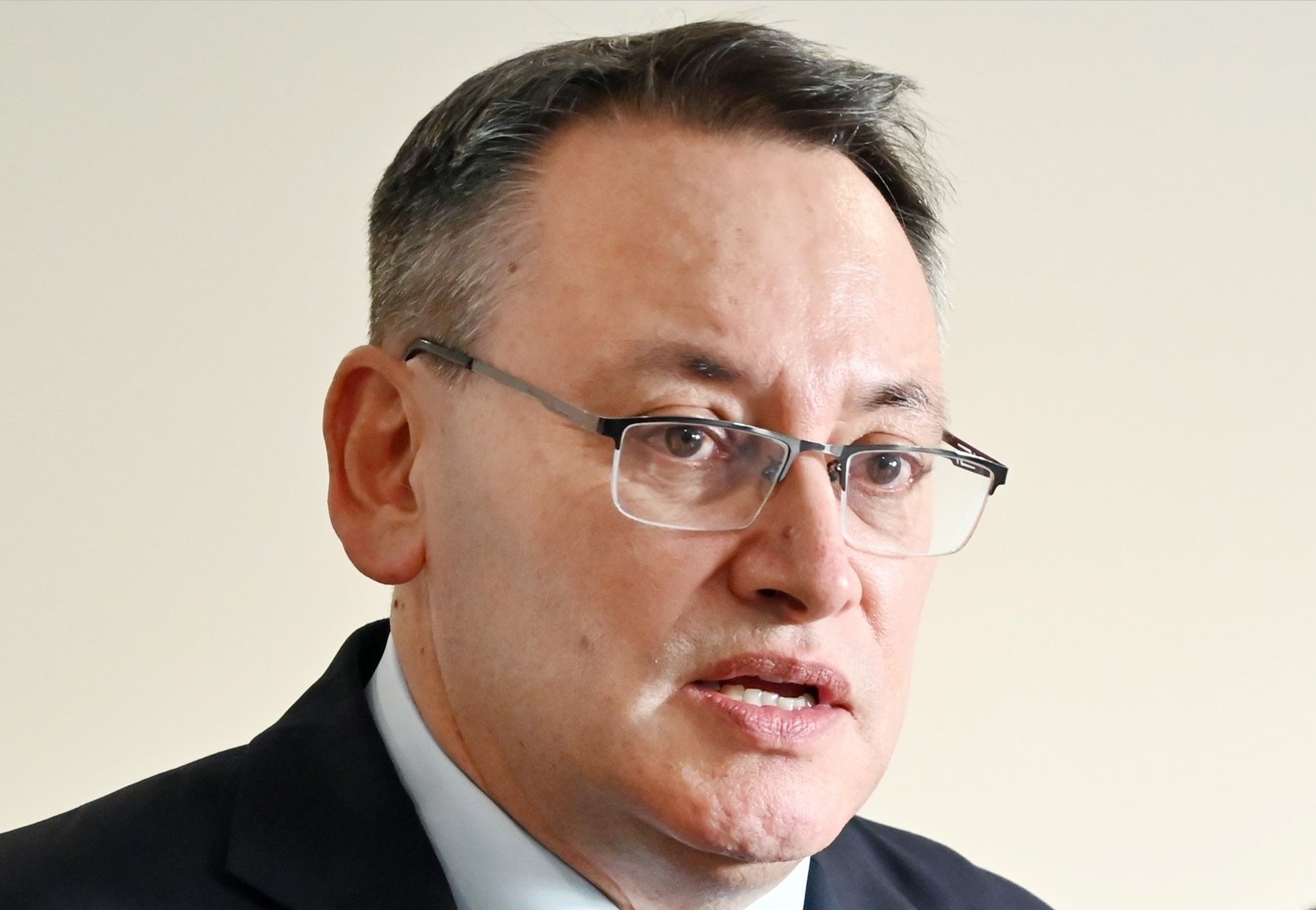
"Hallelujah, absolutely. How do you get there? You get there by investing two, five, 10 and sometimes 20 years ahead of that outcome."
Innovation is alive and kicking, he says. Rocket Lab is now the world’s second-largest space company, behind SpaceX. Fisher & Paykel Healthcare had been expanding for years with its humidifiers and respiratory devices but really took off when the Covid-19 pandemic began.
Then there is Dunedin-based Oritain, widely recognised as the global leader in determining the origins of food, fibre and pharmaceuticals, and subsurface geological modelling company Seequent, headquartered in Christchurch but New Zealand’s first unicorn startup, bought by United States engineering giant Bentley Systems for $US1.05 billion ($NZ1.45b) in 2021.
Things have changed since he was a physics student at Otago almost 40 years ago, when he asked a senior academic what job he could get with a physics degree in New Zealand.
"The answer was, ‘Oh, I really don’t know. Perhaps you could work for the DSIR?’. There was not a significant industry sector based on advanced technology research and development, science and engineering. There would have been little companies growing, but now we’ve got this whole ecosystem of software, hardware, engineering technology, and we’re part of that global ecosystem."
Even a marginal amount more investment in the past 30 years would have returned handsome dividends, he says.
"For every dollar we have invested, the research says we’d be five to 15 times better off right now. You can look at those curves, and the Denmarks and the Finlands and the other countries that have been more aggressive, and it’s a simple return on investment."
New Zealand is at a turning point, he says.
"We have these regular epiphanies that say, ‘actually, research-informed solutions to our future productivity, wellbeing and environmental health issues are important, and we all agree that there is such a valuable contribution to make’.
"But very rarely does anyone have the courage to say, ‘we will get ahead of the curve by putting investment milestones in place and locking them in to allow us to realise that full potential’."
Baisden prefers "tipping point" to describe the situation.
"You have to get the structure right before you can reinvest. But I would now say that you need to get the philosophy right before you can invest. Damn the structure. Because we’ve tried and tried again and again to do that and continually fail.
"So, ‘why do we do science?’. And then the ‘how’ follows from that.
"We want to be a nation of wellbeing, and there’s a whole bunch of science and technology and research that’s involved in being able to do that, being able to respond to earthquakes and pandemics and climate change."


