
PHOTO

Outstanding achievements in neurology, epidemiology, tropical diseases and evolutionary developmental biology research have resulted in four University of Otago scholars being recognised by the Royal Society of New Zealand Te Apārangi.
Professors Tim Anderson, Michael Baker, John Crump and Peter Dearden have been selected as fellows of the society’s academy, and will be officially inducted in Wellington, on April 30.
Prof Anderson was elected for his clinical research in neurology and movement disorders, and has an international reputation for his achievements, particularly Parkinson’s disease.
His research has encompassed patients affected by other neurodegenerative disorders, such as Alzheimer’s and Huntington’s diseases, disabling neuropsychiatric complications and traumatic brain injury.
His discoveries range from analysis of speech and swallowing impairments to tracking eye movements for diagnosis and management.
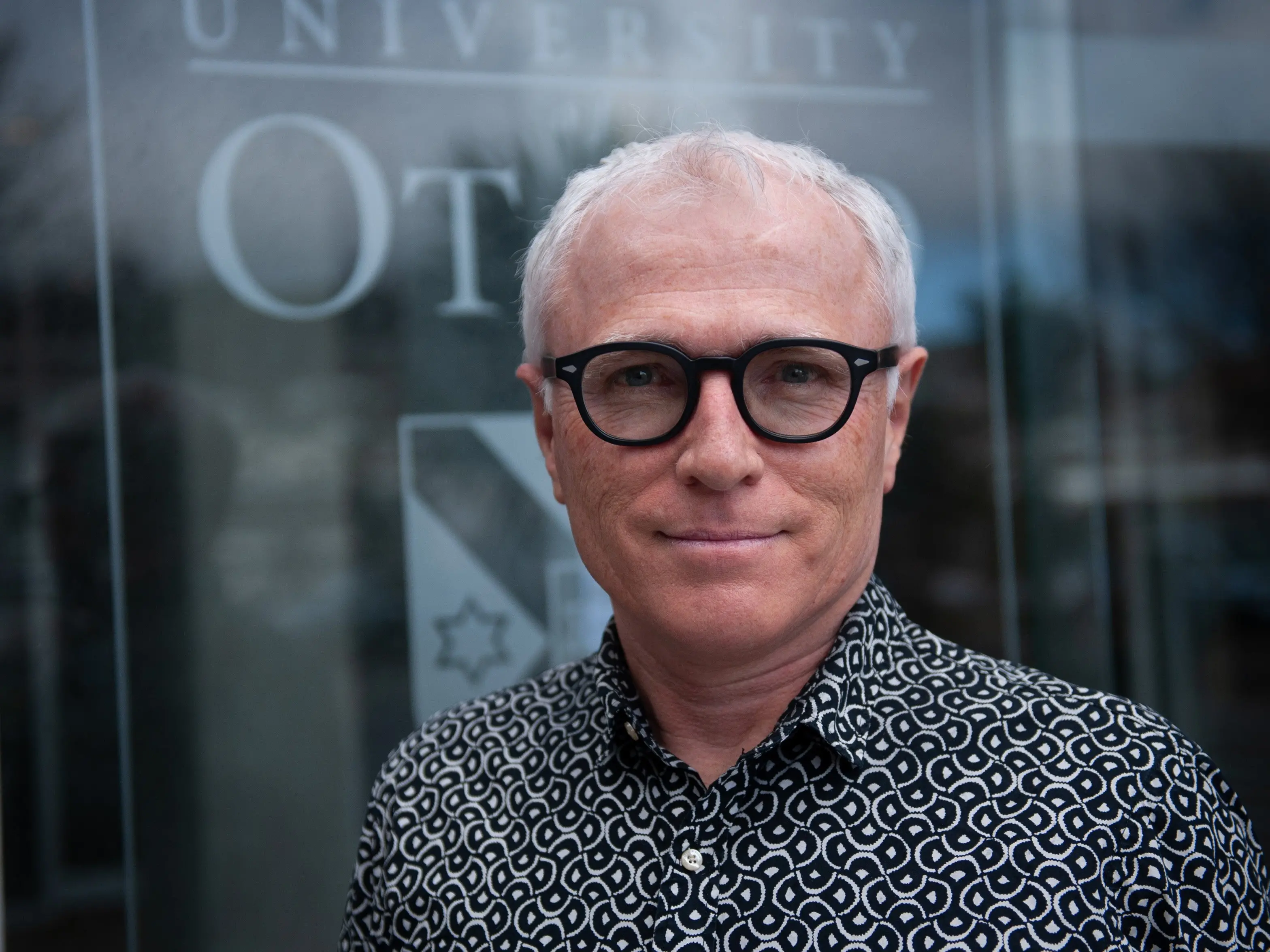
He said he was "rather stunned, but thrilled" to be elected.
"This honour is really the result of the wonderful and fruitful collaboration between the many neuroscientist and clinician colleagues over some 20 years at the New Zealand Brain Research Institute."
Prof Baker was elected for his outstanding contributions to the advancement of epidemiology and control and prevention of infectious disease.
His work has provided an empirical base for quantifying the impact of infectious diseases, identifying modifiable risk factors, implementing interventions and evaluating their impact.
A common theme has been protecting the public from avoidable infections, and reducing ethnic and socioeconomic inequities, whether for food-borne campylobacteriosis, rheumatic fever and heart disease, or the global Covid-19 pandemic.
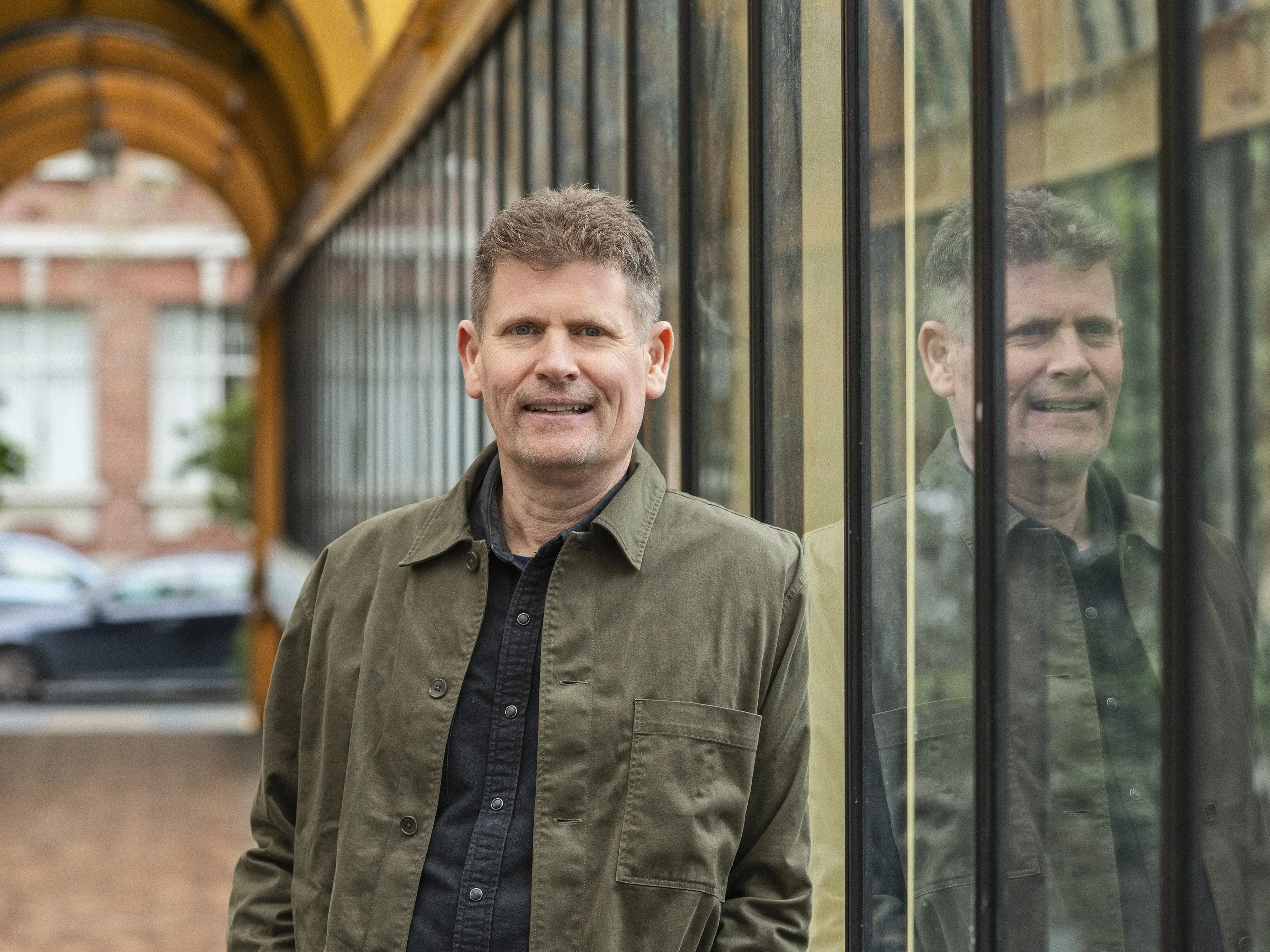
Prof Baker said he was "honoured" to be elected.
Prof Crump was elected for his breakthroughs in management of non-malaria fever and sepsis in tropical regions.
Through use of new tools to address key hypotheses on bacterial and viral causes of tropical fever, he has contributed to unmasking overdiagnosis of malaria and a range of overlooked causes of fever.
His work has caused landmark changes in public health policy and has spurred development and deployment of vaccines for typhoid, paratyphoid fever, and nontyphoidal Salmonella invasive disease.
"This recognition reflects not only my own contributions, but the outstanding global health research community at the University of Otago and our collaborators worldwide."
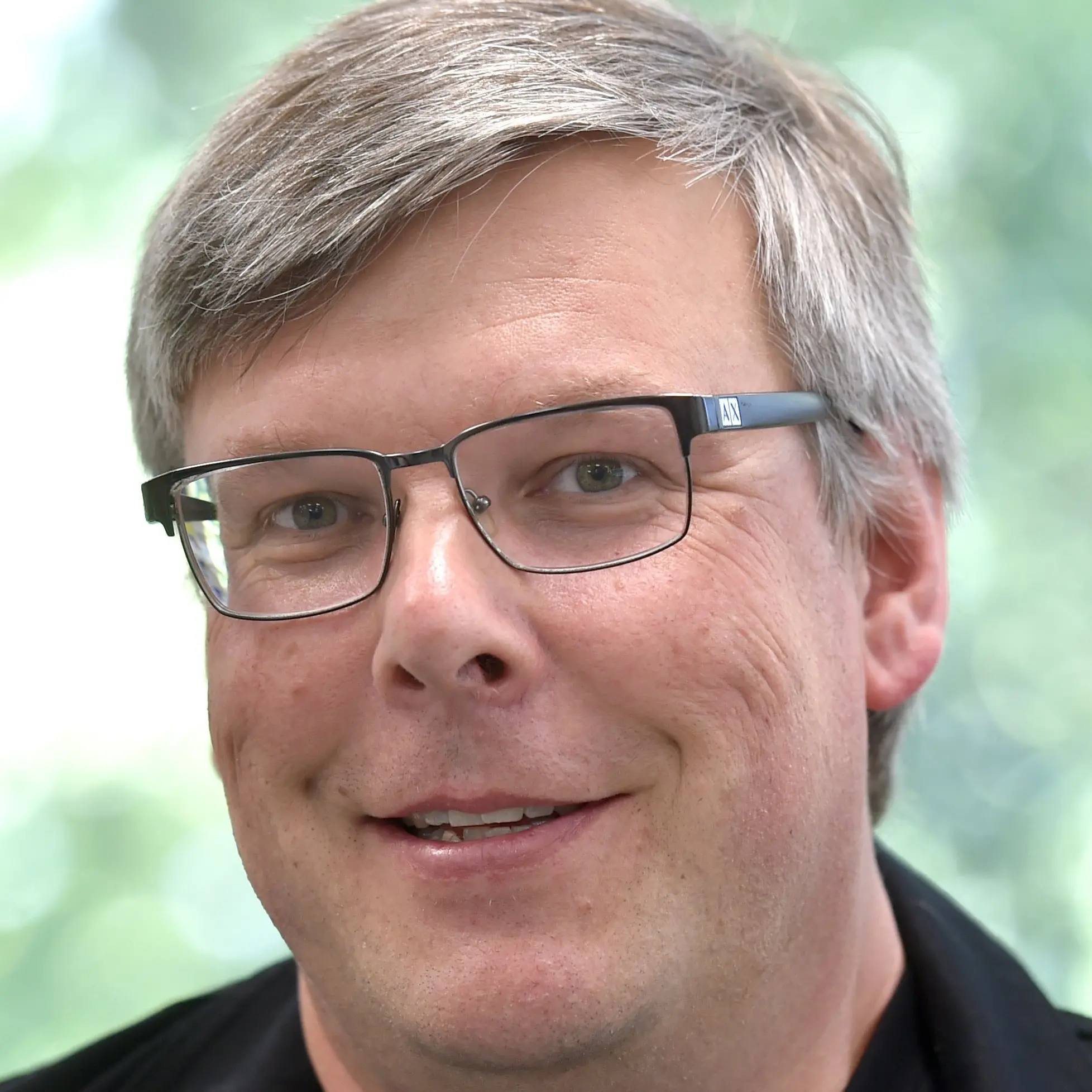
Prof Dearden was elected for his expertise in genetics and evolutionary developmental biology.
He has led multiple international genome initiatives, including analysing the genomes of every living kākāpō to support conservation.
His work on bees has also been economically important for the beekeeping industry, and his most recent research has investigated gene-driven technologies to control invasive wasps.
He was humble about his inclusion.
"It’s wonderful to be recognised for my work, but everything I am being recognised for has been done with talented postdocs, students and collaborators, and this is a recognition of their brilliance as well."