
PHOTO
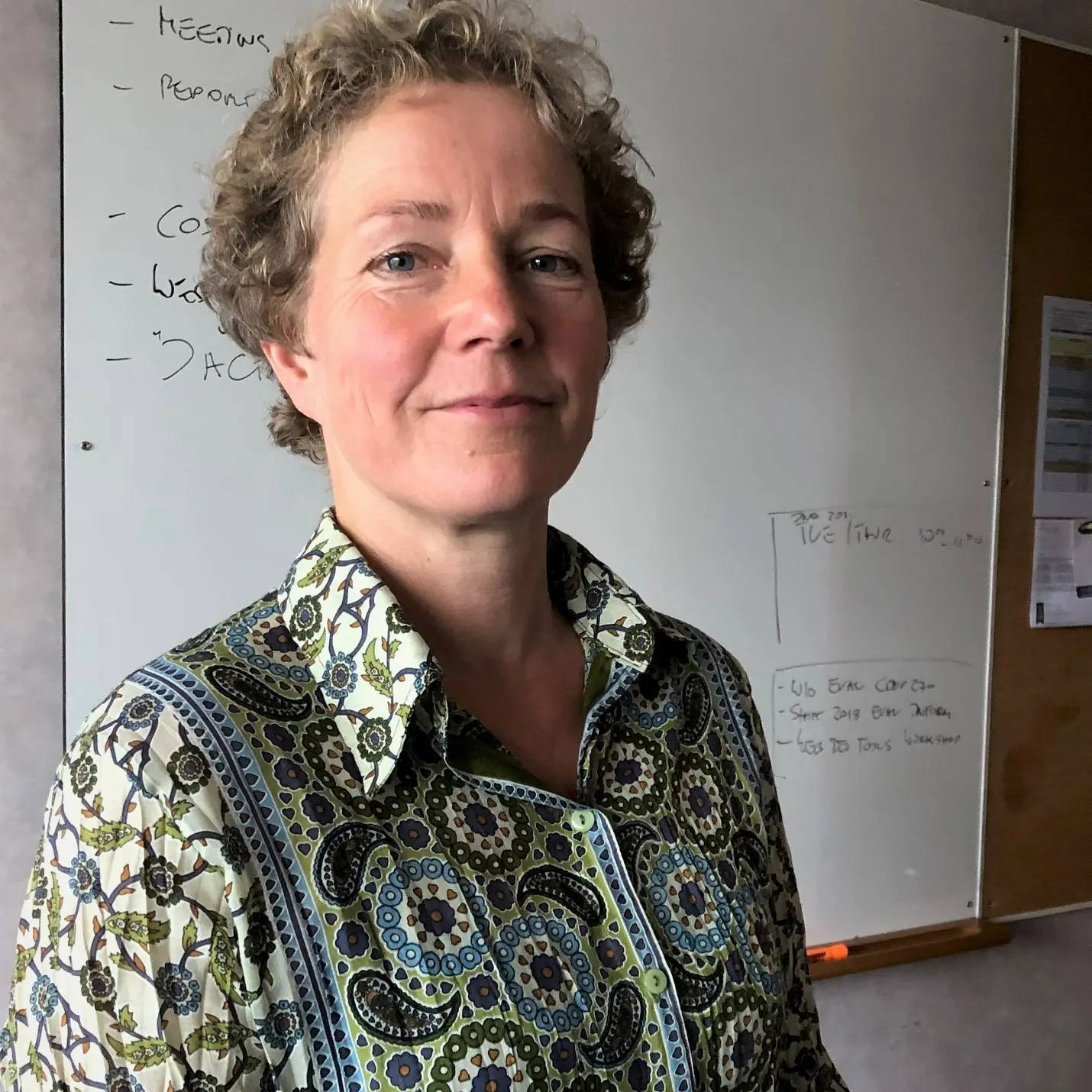
Whānau descended from people affected by the Crown’s confiscation of land in the 1860s, can now use a working computer programme prototype to search for land that once belonged to their tipuna.
The University of Otago project allows them to access a wealth of historic records associated with a particular parcel of land, and reduces the need to leaf through old files, court minutes and historic maps.
Otago information scientist Dr Claudia Ott said the tool was created in partnership with Parininihi ki Waitōtara (PKW) — Taranaki’s largest Māori landowner — which works with shareholders descended from owners affected by the Crown’s confiscation of vast areas of land, and helps reconnect whānau with their ancestral whenua.
While some of the confiscated land was later returned, it was not given back to the original owners, and later government policies further complicated ownership.
In the wake of the 1963 Crown-mandated amalgamation, which consolidated hundreds of individual blocks into a single reserve, Taranaki Māori landowners formed the PKW Incorporation in 1976 to protect their whenua.
As the amalgamations dissolved traditional parcel-based whakapapa links, many whānau were left detached from land that once belonged to their tipuna, leaving a legacy of profound loss and trauma.
Part of PKW’s mission was to help trace them.
PKW adviser Adrian Poa said staff spent long hours combing through decades-old documents and land records, trying to reconnect whānau with their whenua and whakapapa.
He said a better system was needed.
So a collaborative project titled Te Tātari Raraunga, between PKW, the University of Auckland and Victoria University of Wellington began, and machine learning and specialised algorithms were used to search the vast trove of historic records to create a sophisticated electronic tool.
More recently, Land Information New Zealand released more than 320 historical survey maps of the Taranaki district, as high-resolution digital scans.
University of Otago computer science researchers Dr Ott and Dr Veronica Liesaputra were brought in to make the maps easier to access and search, and create a way for people to easily share their stories and experiences of the whenua.
A unique feature of the tool is an annotation function, which can be used to mark sacred places not recorded on historical maps. It also enables users to overlay old maps on to present-day maps, which helps to confirm historical names and boundaries.
The team brought a diverse wealth of expertise in data science and soon found themselves on a deep and eye-opening journey of learning.
After six months, the partnership produced a working prototype that allows users to search a particular parcel of land and access the wealth of historic records.
Dr Ott hoped it would inspire iwi elsewhere to consider the technology.
‘‘For me, the most rewarding part was to see how historical artefacts which were mainly inaccessible not so long ago came to life and can now support people on their journey of reconnection to their whenua.’’