
PHOTO

When Associate Prof Linn Hoffmann boarded a research vessel to study marine phytoplankton in the Southern Ocean, the last thing she expected was to be part of the discovery of a new island off the coast of Antarctica.
You would think it would be hard to miss an island 130m long, 50m wide and 16m high but, to be fair, it is in the Weddell Sea which is covered in thick sea ice for most of the year.
‘‘It’s roughly the size of Dunedin’s Toitū Museum.’’
The University of Otago botany department biological oceanographer and Future Ocean Research Theme director said
the discovery was ‘‘completely unexpected’’.
Scientists on board the vessel were studying and mapping the underwater terrain in the Weddle Sea and initially thought it was an iceberg.
But on closer inspection, it was found to be an island.
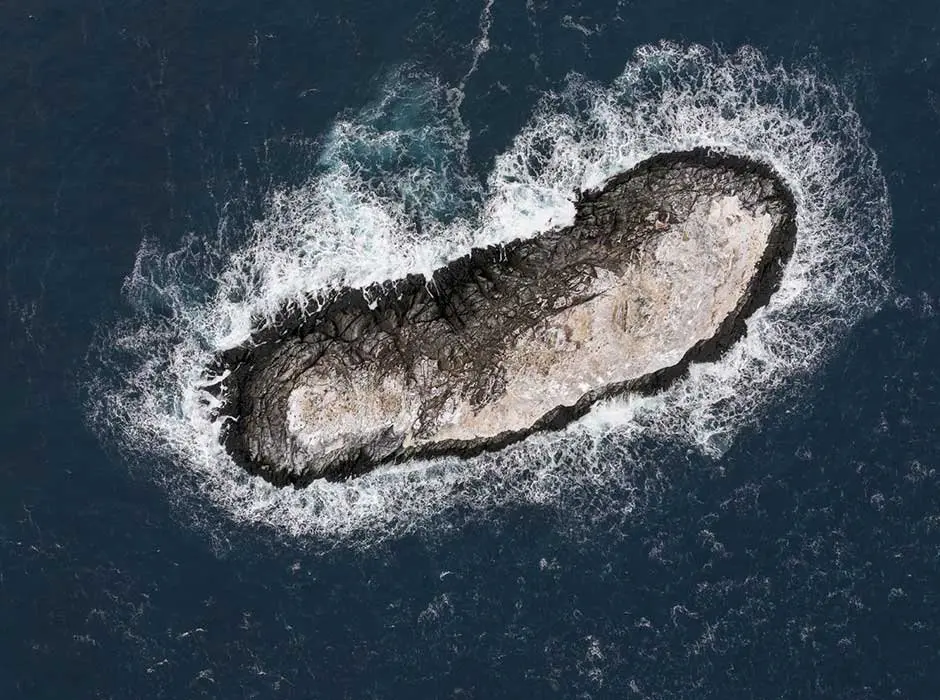
Assoc Prof Hoffmann said at that point, the majority of the scientists on board, including herself, stopped what they were doing and helped map the island.
‘‘The Weddell Sea is covered by thick sea ice almost all year round and is one of the least explored places on Earth,’’ she told colleagues back at the University of Otago.
‘‘The discovery of the island shows we don’t know our planet as well as people might think.’’
Following the discovery, she returned to her research on marine phytoplankton eco-physiology.
The work mainly focuses on the response of phytoplankton communities to multiple environmental and climate change-related stressors such as light, macronutrient concentration, temperature, ocean acidification, ocean warming, trace metal bioavailability, microplastics and the implications for higher trophic levels of the food chain.
A name for the new island had been proposed and submitted to an international committee, and the new land mass was expected to appear on nautical charts soon, Assoc Prof Hoffmann said.