
PHOTO
As Dunedin braces for a predicted housing shortage, an influx of cash into the city — rather than people — could be the driving force behind the city’s housing woes.
Dunedin city councillors took advice yesterday from council city development manager Anna Johnson on the body’s response to the growth that is both buoying and vexing local markets.
Cr Jules Radich was among those who pushed for the council to speed up increasing the supply of available residential land.
‘‘It’s best to go as hard as you can to meet that demand while it’s there, because sooner or later it will drop off again,’’ Cr Radich said.
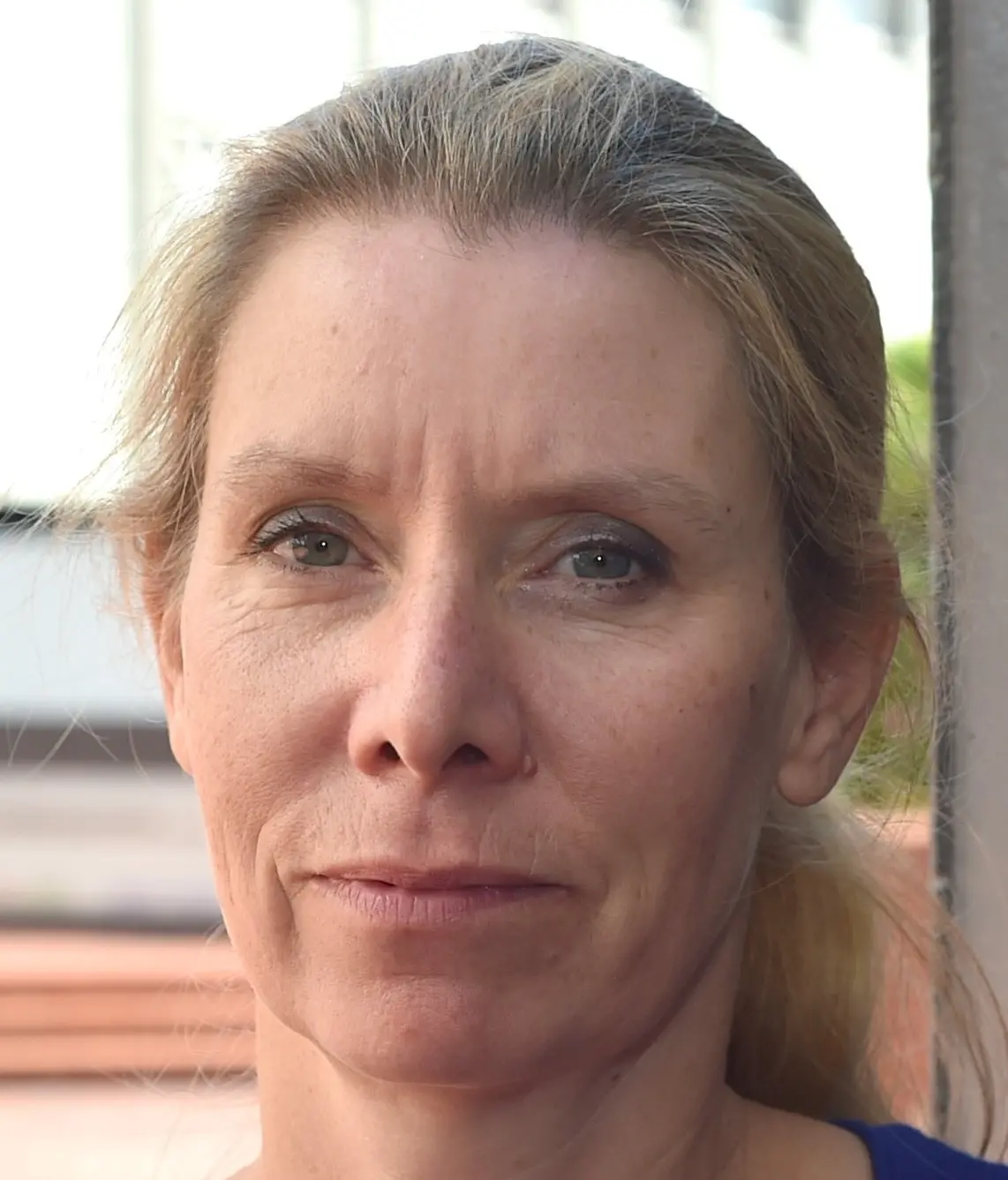
Dr Johnson yesterday updated councillors on the work done to date to address the city’s medium-term housing capacity issues.
In collaboration with infrastructure departments, particularly the three waters group, the council’s planners are due to begin ‘‘engagement with greenfield landowners’’ from next month.
The work programme, dubbed ‘‘variation 2’’, is due for public notification in August.
Cr Jim O’Malley praised Dr Johnson’s report, but said property speculation, particularly from Auckland, and the lack of a capital gains tax, was influencing the city’s immediate affordability issues.
Cr Lee Vandervis criticised the scope of Dr Johnson’s report.
He said it was already out of date and said he was ‘‘routinely bombarded’’ by people questioning the ‘‘enormous’’ increase in the cost of land locally.
He took issue with the planner’s assessment that there was sufficient housing in the city at present and that a deficiency would appear in 2028.
‘‘I believe that we have plenty of evidence that the deficiency is here, now,’’ he said.
Cr Mike Lord pursued a similar avenue.
‘‘It’s pretty evident in the prices people are paying,’’ Cr Lord said.
‘‘That’s the really sad thing. People who can’t afford new end up paying top dollar for rubbish.’’
Dunedin Mayor Aaron Hawkins reminded councillors that in the city’s second generation district plan a significant amount of additional land — 101ha of undeveloped land — was rezoned to residential.
And 132ha of land was now in a ‘‘transition’’ zone, which could become residential if the proper infrastructure was in place.


Cr David Benson-Pope said an attached report by strategic agency Research First overlooked the desirability of living in the city centre just as the council was being called on to investigate ways to enable that.