

A Dunedin City councillor and vocal opponent of the Government's Three Waters reforms has welcomed today's changes as a step in the right direction but says questions remain.
The Government has scrapped a major part of its unpopular reforms, ditching the four mega entities that would have delivered Three Waters (freshwater, wastewater, and stormwater) services to households.
The four entities will become 10 entities, with boundaries established roughly along the lines of New Zealand’s 16 regional councils. The 10 entities would allow local councils more direct engagement with the water entities that will manage services on their behalf.
One contentious part of the reforms remains unchanged. The entities will be owned by councils via a shareholding. They will report to a local representative group which is jointly comprised of local council representatives (with every council in the country having representation) as well as mana whenua. The representation on these groups will be split 50-50 between mana whenua and councils - meaning they would be co-governed like the previous model of three waters.

The council's infrastructure services committee chairman Jim O’Malley, who along with other councillors has been critical over the loss of local voice, said today he was pleased the number of regional entities set to manage three waters had been increased.
"We are pleased the Government appears to be listening to the concerns raised by the DCC and other councils about a loss of regional control.
"There’s no doubt regulatory change will ensure our communities continue to receive safe and affordable water services into the future, but questions remain about the underlying economic model."
The initial proposals for four large entities would have stripped many councils of a voice, so it was positive to see the new approach addressed this, Cr O'Malley said.
"We’re also pleased to see the commitment to mana whenua representation remains, but we need more discussion with Government about the financial structure underpinning the reforms.”
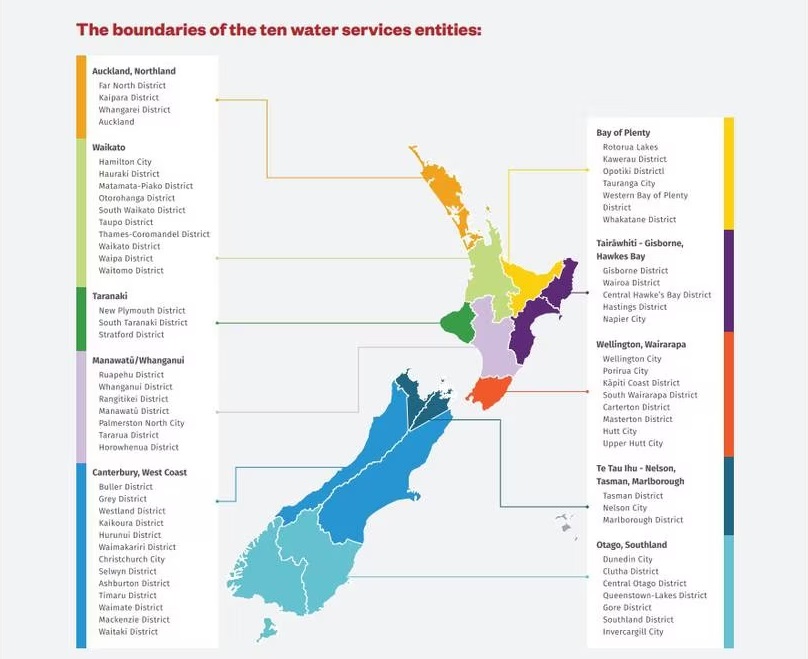
However, uncertainty remained over a new staggered timeline as councils transition to the new entities between 2024 and 2026.
"We don’t yet know how that will work, or when the transition might begin in our part of the country, so that needs more discussion as well” Cr O’Malley said
Chief executive Sandy Graham said in the meantime, the council was continuing to support its staff as the reforms progress.
"Any change is unsettling and the uncertainty and debate that comes with these reforms is only making that worse, so we’re doing what we can to support our people."


