
PHOTO
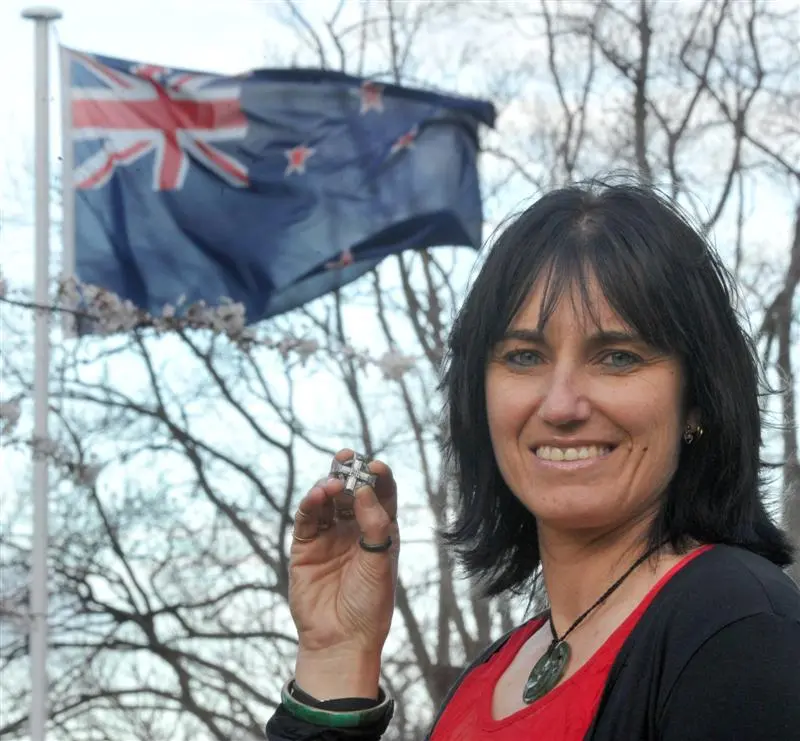
Social isolation facing war veterans and an anomaly that denies war pension support to a partly dependent parent after a soldier dies in action were among issues highlighted at a Dunedin conference on veterans' health yesterday.
During a discussion at the conference, Tina Grant, New Zealand Army liaison officer for families of the fallen, commented on an issue she had encountered in which when single soldiers were killed in action, their dependent parent was ineligible for war pension support.
Ms Grant (42) said that if fallen soldiers had a spouse or partner, they would be entitled to war pension support, but the dependent mother or father of a single fallen soldier was not.
''If I had a magic wand, I'd wave it and make sure it's fair across the board,'' she said in an interview.
Ms Grant's husband, Corporal Doug Grant (41), was fatally shot in Afghanistan while serving with the New Zealand SAS in Kabul, the Afghan capital, in August 2011.
In her subsequent liaison role with the army, based at the Papakura Military Camp, she could do ''something positive'' to ensure the families of fallen soldiers were not forgotten.
She had not considered this situation fully until her husband died.
''He would be supporting me 100% [with her current concerns].''
Ten New Zealand soldiers had died in Afghanistan, seven of them after her husband.
Most of those fallen soldiers did not have a spouse or partner and it was important single soldiers were not ''disadvantaged because they're not married''.
Appropriate pension support needed to be given to other people, such as mothers or fathers who had depended on their child for family support.
She was aware of a mother who did not enjoy good health and had limited funds.
Her son had been helping in various ways, including with extensive renovations of her house, but these had been left unfinished after he was killed in action.
When New Zealand soldiers were sent abroad, there was a moral obligation to ensure their families were properly supported, she said.
When a soldier died, a memorial cross brooch was presented to the soldier's wife and mother, but that mother often needed other support too.
A major update of the country's war pension law is being undertaken and Ms Grant said it was necessary.
New Zealand families were more varied and complex than previously, and individual ''family dynamics'' needed to be fully taken into account.
More than 40 people have been attending the two-day conference, organised in association with a University of Otago research theme focusing on the health of veterans, serving personnel and their families.
In a talk on the first day of the conference, Margaret Snow, advocacy and support manager at the Royal New Zealand Returned and Services' Association, Wellington, highlighted isolation issues facing returning veterans.
Mrs Snow understood New Zealand war pensions had provided support for a dependent parent some years ago, and she would raise the support concerns with senior RSA managers.