
PHOTO
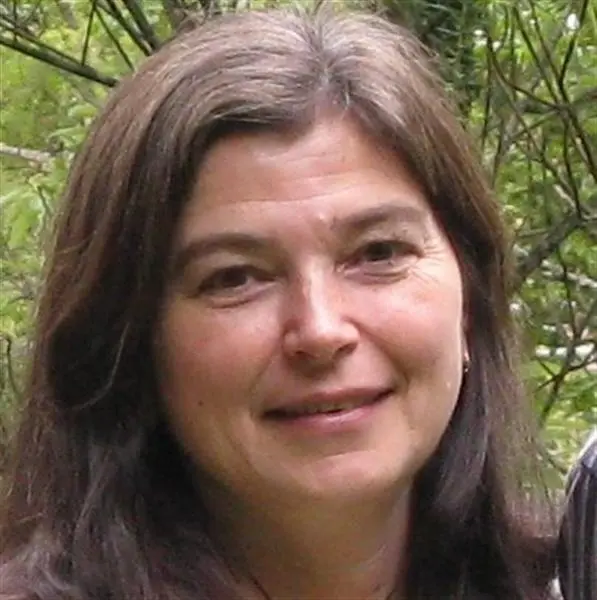
New Zealand's internationally high workplace death toll and high levels of melanoma and rheumatic fever show there is no room for complacency over public health, Prof Jennie Connor, of the University of Otago, says.
"We need a [health] system that is more strategic and less reactive," she said in an interview.
"We should invest more in public health.
"If we use that money [spent on public health] wisely, there are huge economies of scale in protecting people's health.
"I don't think we should be complacent," she said.
An independent task force on workplace health and safety last week released a hard-hitting consultation document on workplace deaths and injuries, which says it is about twice as dangerous to work in New Zealand as it is in Australia.
And it is nearly four times as risky as working in Britain.
About 100 people die in such accidents each year throughout New Zealand, including at least four or five in Dunedin and Otago.
Prof Connor, who heads the Otago preventive and social medicine department, said the big disparity with the United Kingdom figures suggested at least some of the New Zealand workplace deaths and injuries were preventable.
Associate Prof Tony Reeder, director of Otago University's Cancer Society Social and Behavioural Research Unit, also noted last week that New Zealand and Australia had the world's highest rates of skin melanoma. More Government support was needed to improve this "unacceptable" situation and to strengthen prevention efforts, he said.
Dr Simon Horsburgh, a lecturer in the Otago preventive and social medicine department, last week also spoke out about the high levels of rheumatic fever in parts of New Zealand, including on the rural East Coast, near Gisborne.
A recent Ministry of Health funded report said rheumatic fever had been "virtually eradicated" from most developed countries, but New Zealand still had some of the highest reported figures in such countries.
About 180 people die from rheumatic heart disease in this country each year.
The Government announced last year a further $12 million had been allocated to counter the disease.
Prof Connor said New Zealand's health system dealt well with some matters but not so well with some others.
And "disparities" remained between Maori and non-Maori health.
There were staff at the Ministry of Health who were interested in dealing with all of the health issues which had attracted public comment last week.
But the ministry had also been adversely affected by funding cuts.
Prof Connor also believed New Zealand would benefit from re-establishing the previously abolished Public Health Commission.
Such an organisation could help by providing "arm's-length" professional advice on health priorities and supporting a strategic approach to dealing with several public health issues.