
PHOTO
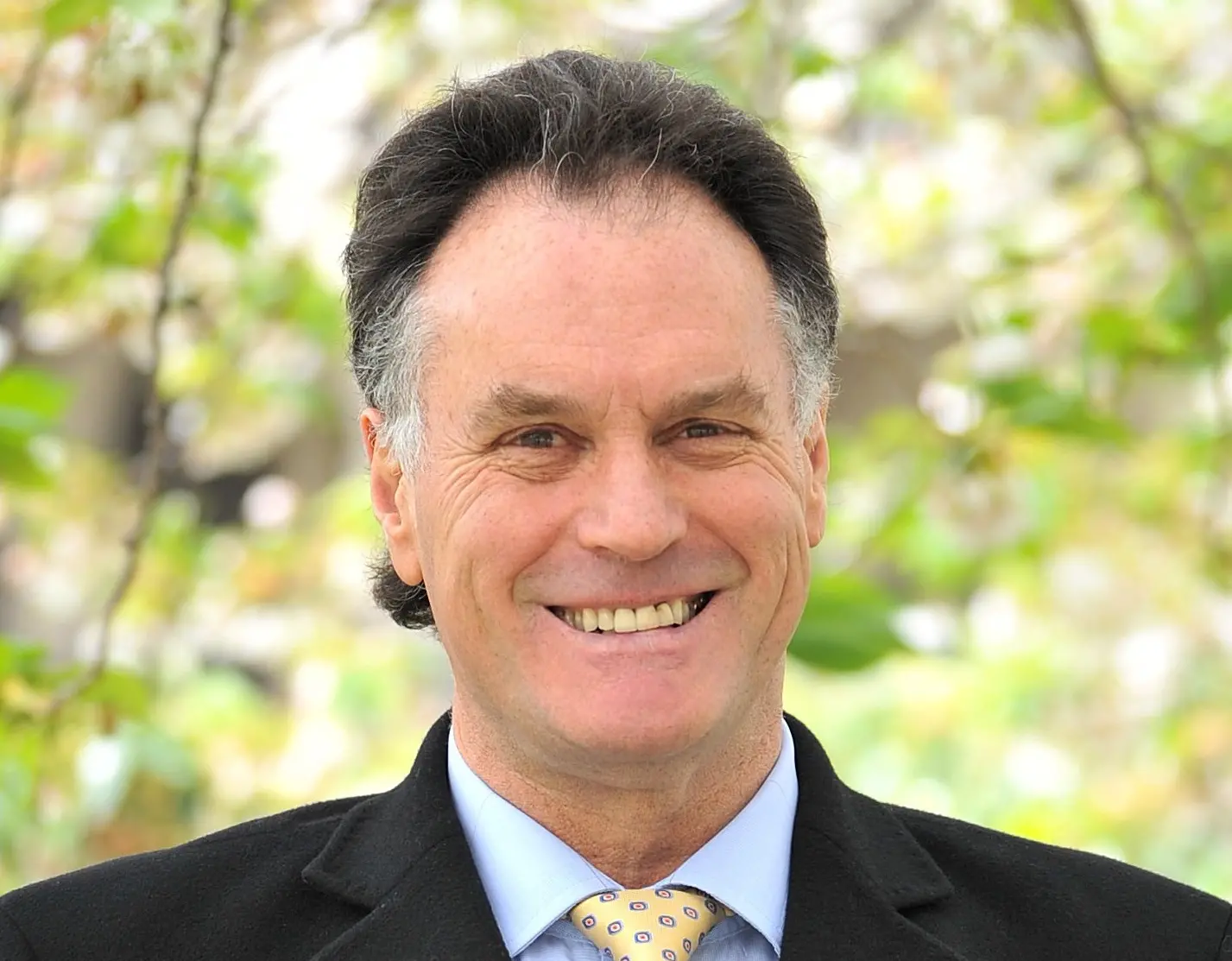
The Dunedin City Council’s inaction at St Clair has resulted in "a fiasco of erosion", Cr Jules Radich says.
But he lost his push to have a five-year trial of a reinstated St Clair groyne included as a way to manage options while the popular beach is the subject of ongoing council consultation.
"The suggestion of this is that a groyne is being precluded from being considered," Cr Radich said at yesterday’s full council meeting.
Long-time residents had seen with their "own eyes" how different the beach had been in the past.
While reinstating the groyne was not a "be-all and end-all" proposition, it could be a simple and inexpensive trial to run.
"And everyone can see in living colour, right in front of them, what the effect of those poles’ reinstatement would be."
There were more modern devices and a range of options. But previous discussions from the council had focused on "retreat".
And the last 15 years had been "a fiasco of failure".
"The dunes have continued to recede, eaten away by winter storms on an annual basis."
The only thing that had proved to increase sand on the beach at St Clair were the groynes, he said.
Cr David Benson-Pope took exception to Cr Radich’s proposal to have the groyne trial and "supporting information" included in the management options consulted on in September.
Council staff had been given a chance at yesterday’s meeting to provide support for the groyne plan.
"We haven’t got any," Cr Benson-Pope said.
"Our expert staff are saying that this is more complicated than some would have us believe".
Cr Radich said a diagram included in the report from staff showing a groyne could lead to localised erosion at the beach was "simply incorrect".
The first stage of consultation on the future of the St Clair-St Kilda coast closes on August 17.
The second stage of consultation on management options runs from September 1 to November 3.