
PHOTO
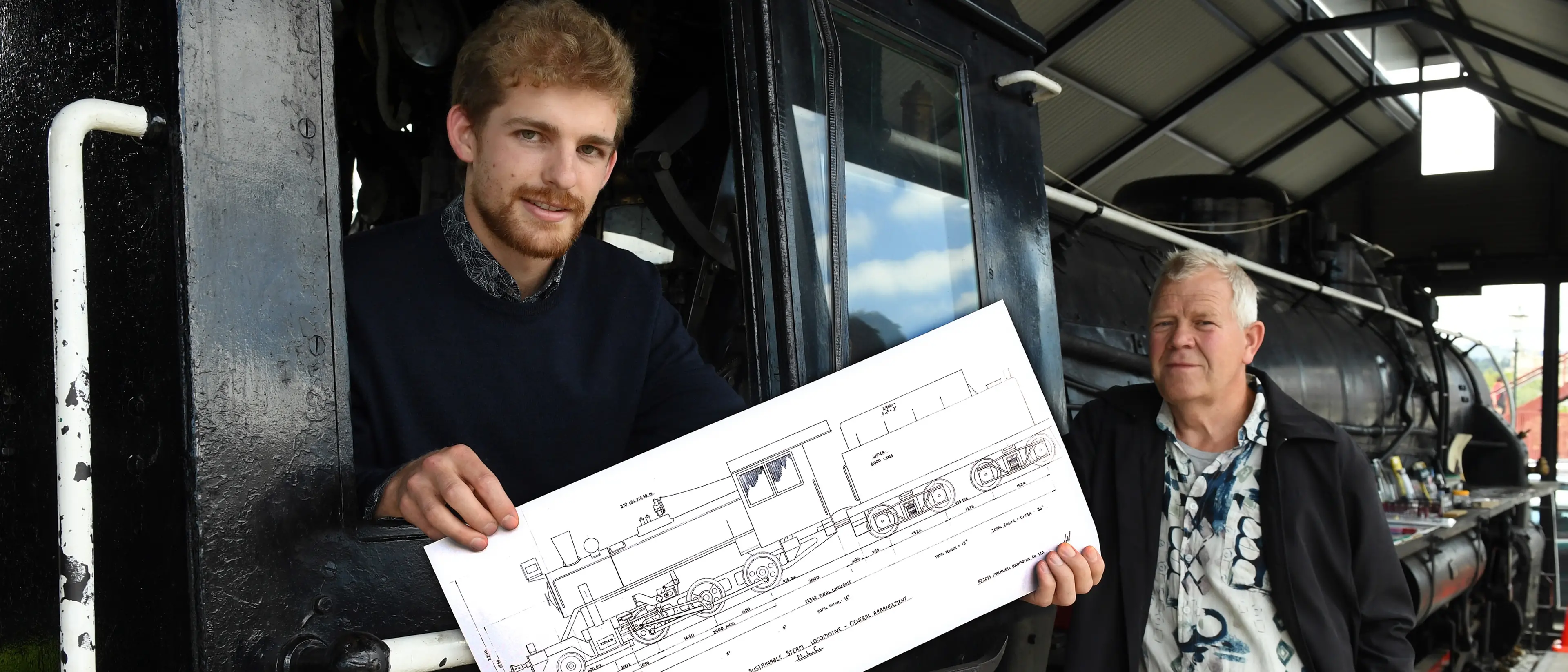
More than 60 years after the last locally-made steam locomotive rolled out of Hillside workshop, a Christchurch firm wants to wind the clock back and return steam power to Dunedin’s railways.
Mackwell Locomotive Co has approached Dunedin Railways with a proposal to trial its design for a modern, environmentally sustainable, wood-powered steam engine on the company’s tracks.
‘‘Getting away from fossil fuels one option is electrification, which would have a massive cost in infrastructure,’’ company director Sam Mackwell said.
‘‘This doesn’t have the carbon footprint of building the infrastructure, or building a power station ... it can use any wood fuel, including from waste streams.’’
Steam technology was replaced by diesel and electric locomotives decades ago, but reviving it was not a fanciful dream, Mr Mackwell said.
Modern steam locomotives operated in South America, Switzerland and England, and Mr Mackwell’s company had built a prototype boiler which Mr Mackwell said had operated above expectations.
‘‘We have eliminated smoke and spark emissions, it can be ready to go in about 20 minutes, and uses 90% less energy than a traditional steam engine to get up to speed.
‘‘We have calculated it could go from Dunedin railway station to Middlemarch and back, twice, without taking on water or wood.’’
Mr Mackwell had approached Dunedin Railways about it hosting a trial of his engine design as it had the longest stretch of privately owned tracks in New Zealand.
‘‘We are hoping it could increase patronage on Dunedin Railways, reduce costs, and aid their carbon footprint.’’
Dunedin Railways operations manager Grant Craig said the Mackwell design had merit in its environmental credentials.
‘‘We have been in talks with them and we’re interested in seeing what they can offer us.’’
Mr Mackwell has already drawn up ambitious plans for his locomotives to replace the KiwiRail fleet, which he said would cost less to build and run and could aid a substantial drop in carbon emissions.
Wood was a low-cost, efficient, carbon neutral energy source — Mr Mackwell said less than 2% of New Zealand’s current pinus radiata crop could supply fuel indefinitely at current KiwiRail traffic levels on a 22 year crop rotation.