
PHOTO
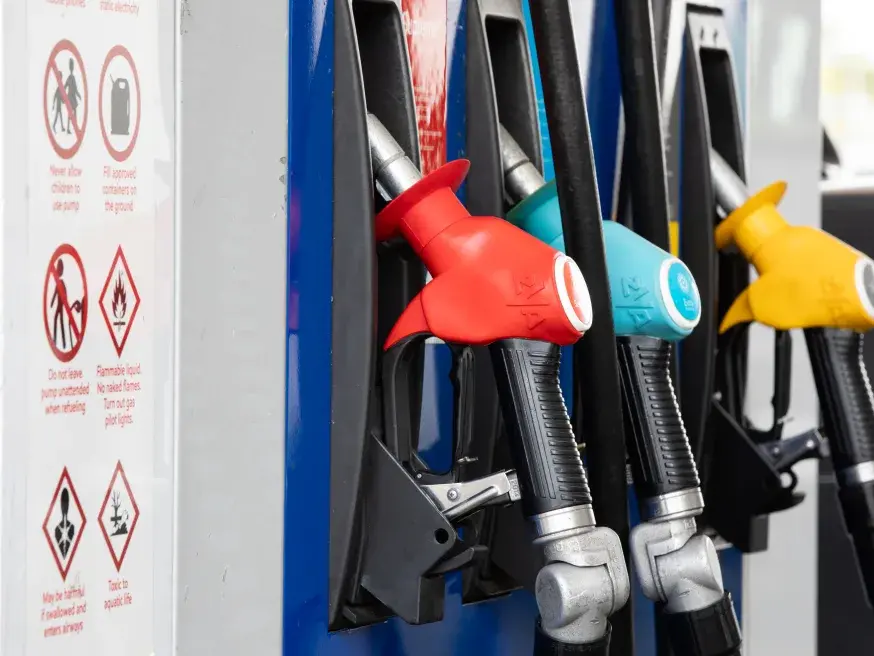
There is huge uncertainty on the price of petrol in New Zealand following Israel's attack on the world's largest natural gasfield in Pars overnight, AA is warning.
Brent Crude prices have surged since the attack, climbing to $US109 a barrel by 9am on Thursday (NZT).
AA's transport policy adviser Terry Collins says the move from military to economic targets marks an escalation in the war that will drive up the price of oil and petrol.
Pars is the Iranian sector of the world's largest natural gas deposit, which Iran shares with Qatar across the Gulf.
Iran has vowed to retaliate.
Collins told Morning Report after prices appeared to stabilise on Wednesday, now "all bets are off" and they were once again uncertain.
He said predictions on how high prices would go were impossible and further rises would depend on Iranian retaliation on energy infrastructure and the "consequences that will have on production and the ability to get oil and that fuel to the market".
Westpac chief economist Kelly Eckhold said if the crisis were to continue, the price of oil could hit US$200 a barrel, which would take retail petrol prices past $4.
Why prices rise fast
Collins said the almost immediate response in prices at the pump was because stations "replaced the stock of the empty tank".
According to data from fuel monitoring app Gaspy, 91 octane is above $3 per litre this morning, in most places.
"If they've got, say, $100,000 worth of fuel in and the price of oil goes up and it's going to cost them $120,000 to replace it, they will charge that $120,000 so they can pay for the next load coming in.
"So that's when the prices are going up. What we want to see is the prices go down just as fast.
"If they're going to use the same principle of replacement cost, the cost goes down, those prices should drop just as quickly."
Israel's attack marked the first reported strikes on Iranian energy infrastructure in the Gulf during the US-Israeli war, a major escalation that prompted Tehran to warn its neighbours that their energy installations would be targeted "in the coming hours".
Oil prices shot up after the attack in a conflict that has already halted shipping from the world's most important energy-producing region and could now bring lasting damage to its infrastructure.
Before the overnight attack, Finance Minister Nicola Willis said she was looking at targeted, temporary support for some households if the Middle East conflict worsened.
She said the help could be available, for example, to a cleaner needing to drive to work early in the morning when there was no public transport - a proposal welcomed by E tū union member Ayesha Paki.
She has a 30-minute drive, six days a week, to her job at Auckland Airport.
"Everything is expensive and now the petrol has affected all of us cleaners and low pay workers. We are so worried," she said.
Willis said the government was "anticipating, and to the extent possible mitigating the impact on the New Zealand economy, including what could potentially be acute cost of living pressures for some households".
