

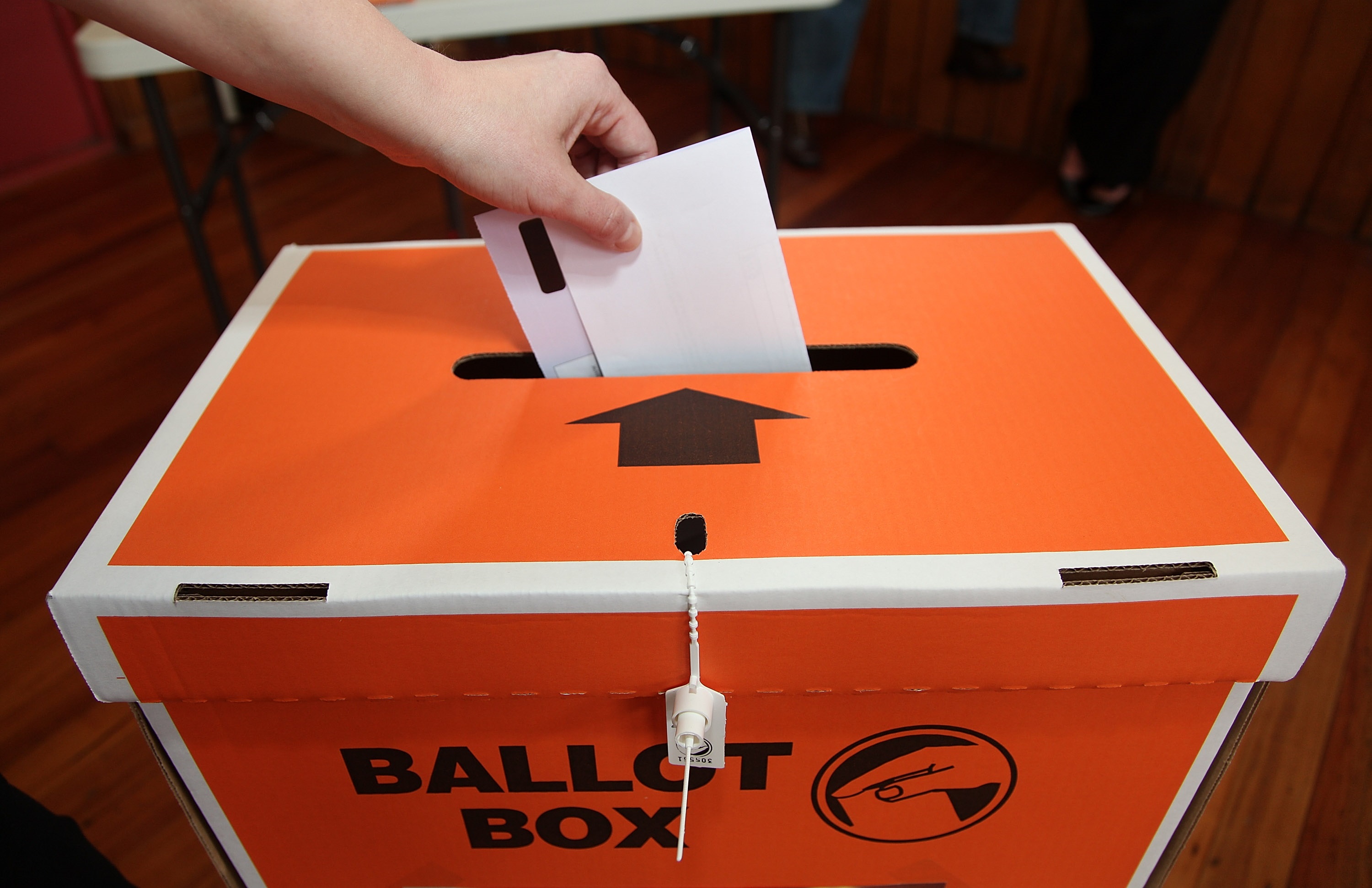
In Tauranga no one is voting, but that’s because the Government decided to stick with appointed commissioners until July 2024.
With four days until voting closes at midday on Saturday, a glance at the daily voting returns shows many councils are on track for a similar voter turnout to 2019, when the nationwide turnout was 42.2%. This was a big drop on the 57% figure in 2016.
In Auckland, where all eyes are on businessman Wayne Brown and Manukau councillor Efeso Collins to replace outgoing Mayor Phil Goff, the daily voting count has been fluctuating.
Yesterday, it was nearly neck-and-neck with 2019‘s figure of 17%. Today’s returns are 19.8%, well down on the 22.6% figure in 2019. It remains to be seen if the final figure will reach 2019‘s turnout of 35.3%.
Aucklanders’ interest in local body elections has been slipping since the first Super City election when John Banks and Len Brown battled it out. The voter turnout then was 50.2%.
Wellingtonians, believed to be the most politically tuned people in New Zealand, have been slow out of the blocks with just a 15.2% vote for the leading mayoral contenders Tory Whanau, Paul Eagle and Andy Foster as of yesterday. This figure is an improvement on 13.6 per cent at the same time in 2019.
In Christchurch, where people are voting for a new mayor to replace Lianne Dalziel, one-in-four voters have got their ballots in, compared with 20% three years ago.
Dunedin people are tracking a similar path to 2019 with 21% of votes cast.
In Invercargill where Newstalk ZB radio host Marcus Lush is taking on the veteran Sir Tim Shadbolt in a field of mayoral hopefuls, 28% of votes are in, compared with 30% at the same time in 2019.
The Hutt City Council has the dubious record of one of the lowest voter turnouts so far. It is sitting on 14.2%, not far behind neighbouring Upper Hutt City Council on 17.7%.
In the past day, Prime Minister Jacinda Ardern has expressed concern about the low level of voter turnout, saying it may be time to look at what will bring the greatest engagement from voters.
She said turnout had traditionally been low in local body elections until the “final period”.
“It’s hard to say where it will land, but I am worried because you would of course want to see it a bit higher than it is now.
“I do think it’s time for us to have to work with local government and say, from local government’s perspective, ‘What do you think will bring the greatest engagement with your voters?'"


