


A couple of weeks ago, feeling like she'd "slid back to rock bottom" after the death, Natalie Flynn asked a psychiatrist/Buddhist monk friend for life hacks on grieving.
"Grief is like the stock market. You think you're on an upswing, then it drops, but look at the overall trend," was his response. Viewing herself this way, Flynn says she was able to see an upward trend.
"I'm having fewer grief attacks, those times where I just feel like it's impossible that he's not here, and I'm moving forward, and I'm having more good days. So things are on the upswing."

Just a couple of weeks ago, Flynn says she felt like she was just "going through the motions", but now things have shifted.
"The other day I realised, 'What's this feeling?' I'm actually looking forward to something."
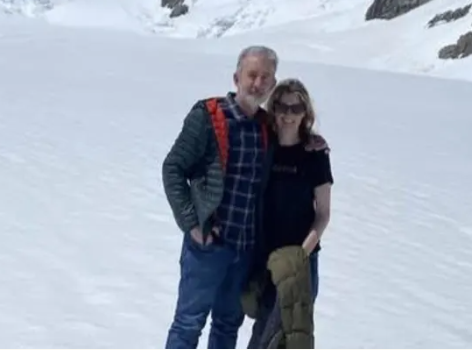
Part of the reason Flynn and Latta were "were so in love" was that they were "simpatico about so many things", she says.
Given that, she's "really happy" to be speaking at the Auckland Writers Festival this May about Latta's final book, Lessons on Living, which came out on the day he died.
"I feel like when I'm talking about the book or reading the book, that he's there with me."
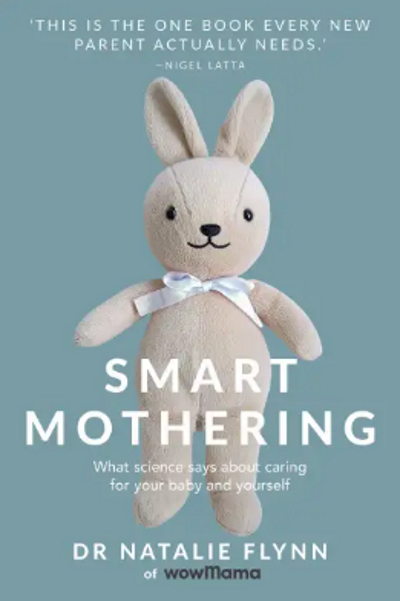
Like grief, the journey of becoming a parent gets more overwhelming when we're bombarded with too much contradictory advice, says Flynn, the author of Smart Mothering.
Seeing couples about to have their first child, Flynn says she feels encouraged if they're realistic about getting less sleep, having less time for activities they enjoy, and have a "flexible" plan.
Listening to advice that sits with your values and really trying to avoid "bombardment syndrome" is an important part of preparing for parenthood, she says.
It's wise to have "healthy scepticism" towards any advice that falls into any of the following three categories, Flynn says:
• It claims to be research-based, but there aren't opposing views or opposing studies: "Probably there's an ideology behind the advice."
• It requires really extreme lifestyle changes: For example, "never use screens throughout your child's childhood or you must always be in physical contact with your baby."
• It makes sweeping claims that cover a wide variety of outcomes: For example, "if you use controlled crying or daycare, then your child will be smarter, more pro-social, or the opposite".
As a first stop, the GP can be a good source of parenting advice, Flynn says.
She also recommends the New Zealand website, the Brainwave Trust, and the parenting app Parentland that she and Latta put together using research-based tools.
Parenting books by academics, such as Cribsheet by Emily Oster, can also be a source of solid advice, Flynn says, and websites run by academics or legitimate medical experts - "Mayo Clinic is a great medical site".
When it comes to sleep tips, she recommends the Pediatric Sleep Council and the American Academy of Paediatrics.


