
PHOTO
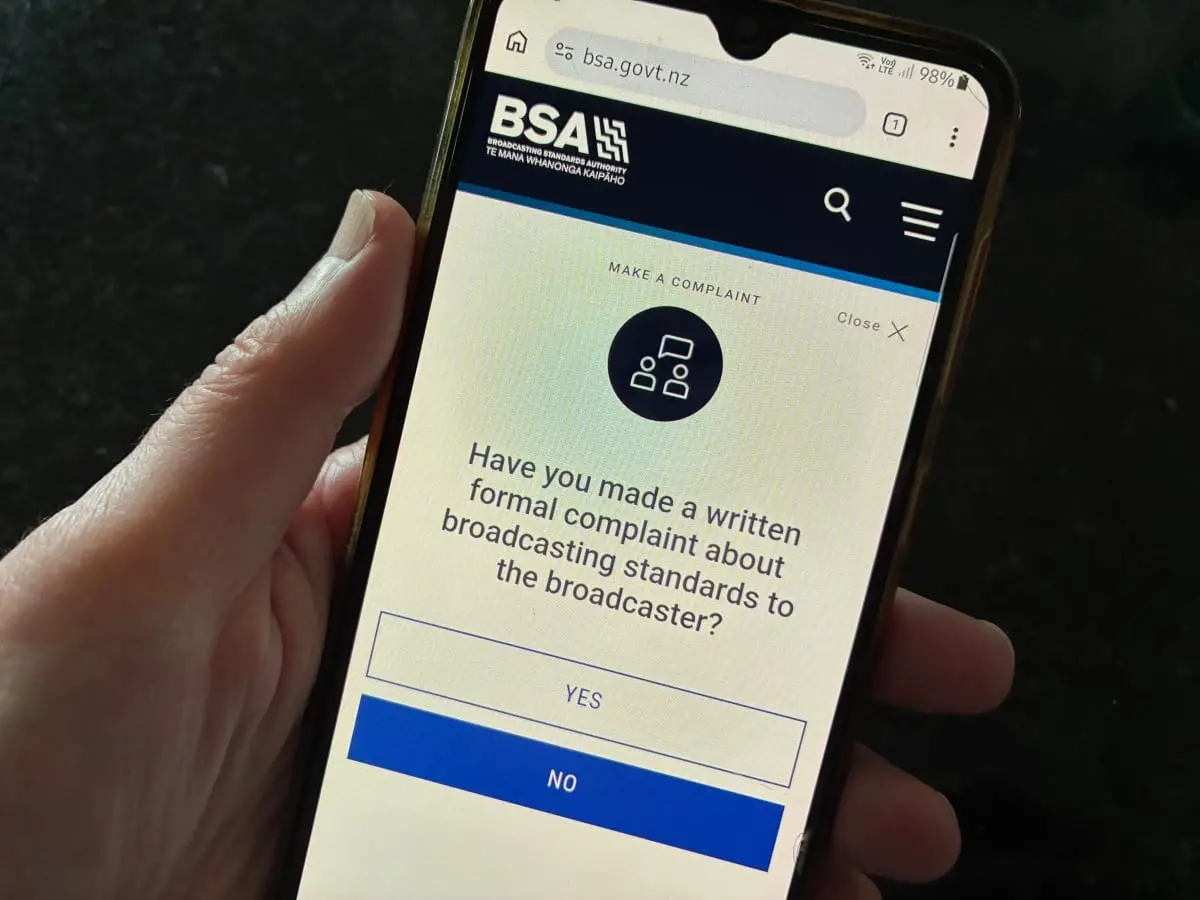
The Broadcasting Standards Authority will be scrapped in favour of having the media self-regulate, the media and communications minister has confirmed.
The BSA was established under the Broadcasting Act in 1989 and tasked with upholding standards across the country's broadcasters.
But Paul Goldsmith said today that New Zealand's media landscape has changed dramatically but "regulatory settings have not kept up".
It comes after the BSA faced backlash from government ministers following a decision to begin regulating podcasts and online media.
A complaint sent by the BSA to The Platform was published on the online platform's website, outlining concerns raised about allegedly "unacceptable racist comments".
The letter from the BSA stated it "has found it has jurisdiction" to consider a complaint about The Platform's live talkback programme on the basis the transmission of the programme met the definition of 'broadcasting' in the Act.
NZ First leader Winston Peters said at the time it was "blatant overreach" by the BSA and "highly concerning".
The BSA had since concluded it did have jurisdiction over the online media service The Platform, and published a decision saying it could consider a complaint about the show because the programme "meets the Act's definition of 'broadcasting'".
ACT leader David Seymour also told reporters at Parliament it was time for the BSA to go.
The ACT Party has a private member's bill to abolish the BSA, which Peters hinted in April his party would support.
Goldsmith had previously said he was "leaning towards" scrapping the BSA altogether. Confirming his decisions in an announcement on Wednesday, he said the BSA was designed for a broadcasting environment that was "rapidly disappearing."
"Today, audiences move seamlessly between traditional broadcasting, on demand services, podcasts and online platforms - yet only a small portion of that content is subject to the BSA's regulatory oversight. It doesn't make sense."
He said the current framework can create inconsistencies and "unfair outcomes" for media providers.
"Print media already self regulates through the New Zealand Media Council, and some broadcasters have opted to be part of it.
"Our expectation is the media council will become the primary regulator for journalism."
Goldsmith said he was confident "greater industry self-regulation" was the most practical way to "level the playing field across platofrms."
Several other pieces of legislation reference the BSA. Goldsmith said legislation to repeal the provisions relating to the BSA will be drafted in coming months, and the authority would continue in its role until legislation was passed into law.
BSA chief executive Stacey Wood said the authority's purpose had never been about protecting the existing operating model and "it was clear any future regulator would need to look different to the existing BSA".
Wood said it had always been for lawmakers to decide if the authority played a role in any future regulatory setup.
"We've worked with officials and provided advice on various proposals over the years."
She said the organisation was proud of the role the BSA had played for over 37 years in maintaining standards in broadcasting. They would await further advice about the announcement and be ready to assist with the transition to new arrangements.
Irresponsible and risky move, says Hipkins
Labour leader Chris Hipkins said the move was "risky".
"At a time when confidence in the media is being severely tested, removing one backstop without replacing it with something that's robust and well thought through is a really, really risky thing for the government to be doing."
Speaking to reporters in Porirua this afternoon, Hipkins said a good, robust media was "vital" to a good, robust democracy.
"Just scrapping the BSA is not going to solve the problem."
And leaving it up to self-regulation was not the answer either, he believed.
Hipkins would not say if Labour would reverse the move, given he had not seen the proposal and did not know how far it would get before the general election on November 7.
The party had not had a chance to discuss it internally yet but he acknowledged a broader conversation needed to take place regarding the BSA.
"Yes, of course, the world's changed dramatically since when the BSA was first introduced."
There was a need to consider updating regulation to recognise where people consume information had changed "dramatically", he said.
"Yes, regulation needs to be updated, but just marching headlong into abolishing basically a consumer protection without any clear sense of what's going to replace it, I think, is irresponsible."
He was concerned the government was "rushing headling" into something without considering the consequences.
"They have an anti-media narrative that they're trying to push, that they somehow think that the media is all to blame for the fact that they're so unpopular.
"I think the reason that this government's unpopular is that they're not doing the things they said that they were going to do."
'Massive win' - ACT MP
ACT MP Laura McClure - whose member's bill looks to abolish the BSA - said it was a "massive win for free speech."
"Last year, radical bureaucrats at the BSA actively expanded their empire to police the internet.
"It shouldn't have taken an ACT Member's Bill to force action, but I am glad the Minister has listened to New Zealanders' outrage."
McClure said ACT had called out the "blatant power grab" from the BSA, "trying to stretch a law written for rabbit-ear TVs over podcasts and livestreams."
This story was first published on rnz.co.nz |  |