
PHOTO
New Zealand's largest education union is describing a delay in the introduction of the government's new curriculum as a significant win for teachers and school leaders.
The Education Ministry yesterday announced schools would still need to teach the new Y0-8 Science and Social Science content from the start of next year, but four other curriculums would be delayed until 2029.
It means for primary schools, Health and Physical Education would be pushed out by two years and Arts, Technology and Languages by one year.
For years 9-10. the original timeline would still apply with the new curriculums required from the start of next year.
The change followed widespread opposition, including a letter signed by most of the organisations with mandates to speak for primary school teachers and principals.
Despite retaining the 2027 start date for Science and Social Science at Y0-8, the new timeline meant schools would essentially have two years to phase them in.
The ministry told RNZ schools would be "expected to use the new Years 0-8 Science and Social Sciences (including Pūtaiao and Pūmanawa Tangata), but they can plan their full implementation over 2027 and 2028".
"We know teachers are busy, so we're not expecting them to be fully across these learning areas from day one in 2027. We are developing resources to support teachers to unpack and implement the new content, both ahead of time and as they begin teaching it."
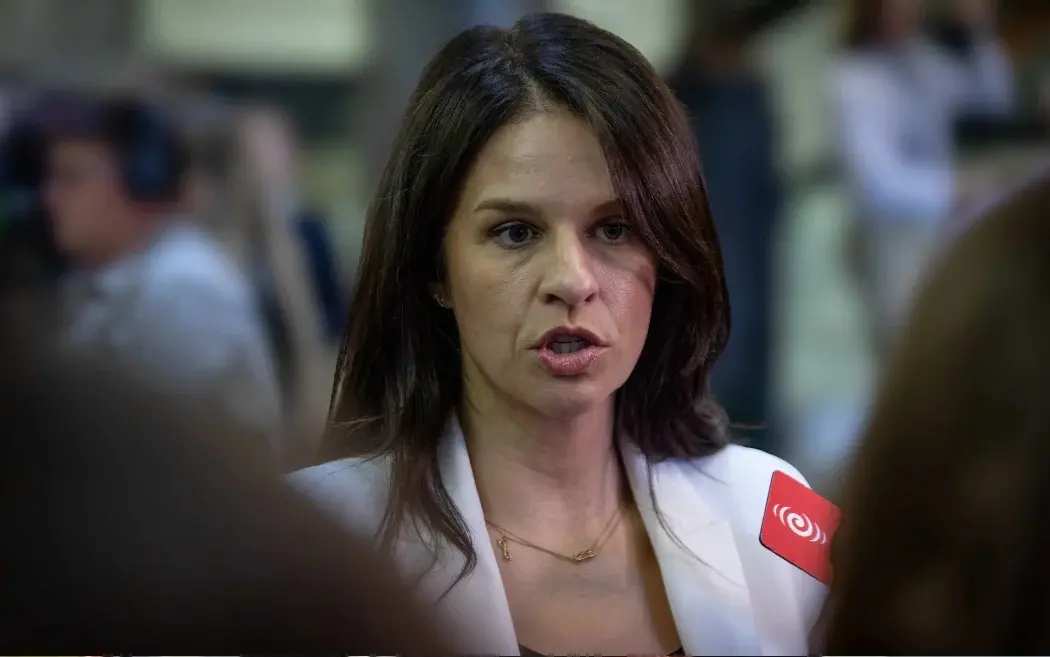
Educational Institute national secretary Stephanie Mills said principals and teachers across the country had united against the new curriculum's criteria and timeline, and would be "very pleased" to see Education Minister Erica Stanford had listened to their concerns.
"We've had submissions, we've had letters, we've had select committee hearings, we've had conversations with the minister and ministry for months now, so I think the fact that there's been a backdown is very belated, but welcome."
The delay was significant, because it would give teachers more time to learn the curriculum themselves before they had to teach it, she said.
"They need to learn things themselves in order to be able to teach well and that is a process. It can't happen in six minutes or six months across six new learning areas.
"The fact that they've now got two years to unpack their curriculum, get to know it, work out how it works for the children and the year levels they teach, work out how to make it personalised to the children in front of them, is really important."
On its website, the Ministry of Education said the full and final curriculum would be available to schools from mid-2026.
"Schools that are ready to start using it earlier can do so then," it said.
Mills hoped Stanford and the Ministry would keep listening to the sector.
"There is still concern about the content of the curriculum. It's very Eurocentric, it's very overstuffed with facts and is focused on instruction from the front of the class, rather than building children's understanding of how the world works."
She was concerned that the framework of Te Tiriti o Waitangi had been "erased" from the new documents.
Where the old curriculum had asked students to "know, understand and do", the new curriculum had dropped the "understand", she said.
"The really critical things we need to develop in our students is the ability to analyse, to critique, to question... so that they're questioning whether it's AI, whether it's legitimate, whether it's valid information, whether they can triangulate it with what they know already."
This story was first published on rnz.co.nz |  |