Tragedy in South Dunedin remembered a century later
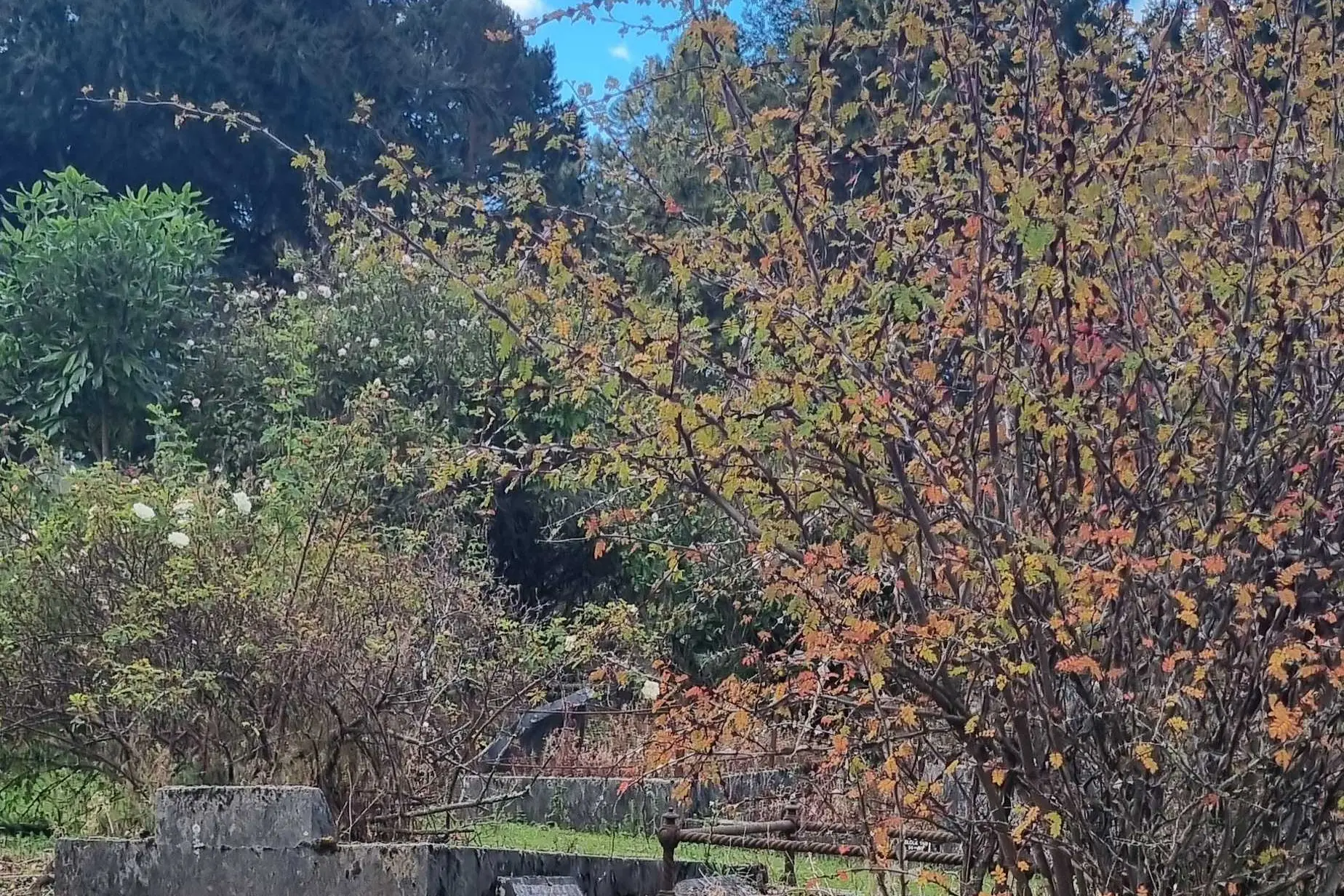
Patrick Jager was buried in a pauper's grave at the Andersons Bay Cemetery
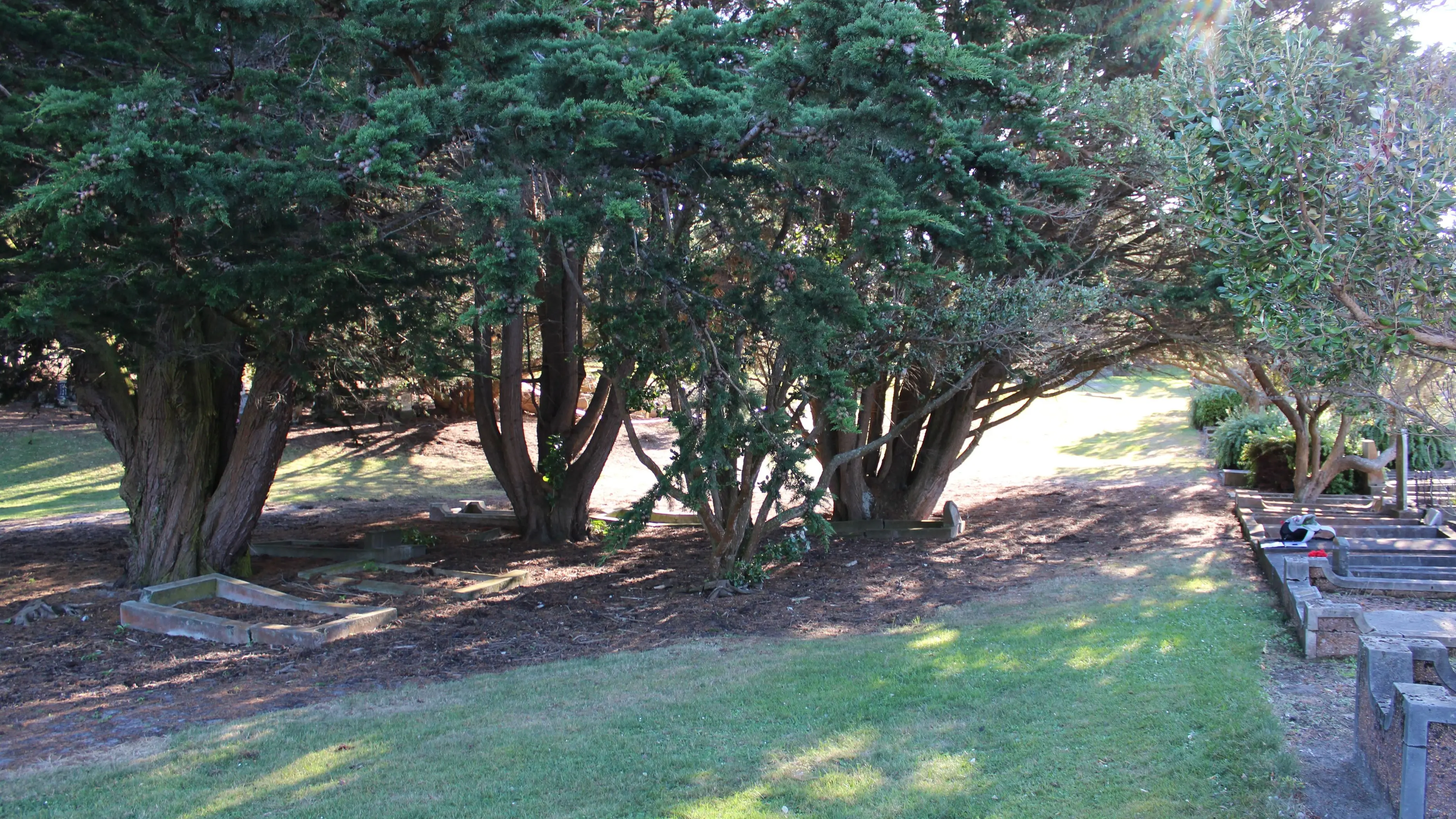
Arthur Creagh was buried with his parents in the Northern Cemetery
The Railway Workshops Hotel on the corner of Cargill Road (now Hillside Road) and Cutten Street. ...
The Railway Workshops Hotel on the corner of Cargill Road (now Hillside Road) and Cutten Street. (Source: Dunedin City Council Archives, Railway Workshops Hotel, Caversham)
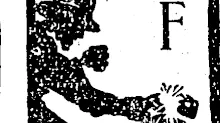
An illustration depicting the attack (Source: Papers Past, National Library of New Zealand – NZ...
An illustration depicting the attack (Source: Papers Past, National Library of New Zealand – NZ Truth, 12 August 1926)

In the early hours of 3 May 1926, a quiet boarding house in South Dunedin became the scene of an unthinkable tragedy.

Patrick Jager, an unassuming labourer, rose from his bed at the Railway Workshops Hotel and killed his longtime friend, Arthur Creagh. By morning, he had calmly confessed at the police station, convinced that he had saved his own life.

The two had been friends since boyhood, working side-by-side for many years at Donaghy’s Rope Works. They were regarded as being the best of mates, who typically kept to themselves and were always on good terms. Neither of the men were heavy drinkers, only sharing an occasional beer on a Saturday night.

But by the morning of 3 May 1926, something had changed.

Patrick began suffering from sick headaches. He heard voices as he tried to sleep, and banging on the iron fences below his bedroom window. In desperation, he had tried to take his own life at Lawyer’s Head by weighing his pockets with stones and throwing himself into the sea. He survived, but his fears deepened. He was convinced that those he was closest to were plotting against him.

Arthur had been out with a friend on the evening of 2 May. When he got back to the hotel that night, Patrick was already in bed asleep. Sensing nothing out of the ordinary, he turned in for the night.

Around 6:30 the next morning, Patrick climbed from his bed and struck Arthur across the head with a glass bottle as he slept. He then cut his throat with a nearby razor blade. There was no struggle. Afterwards, he covered the body, tidied the beds, and left the room.

Walking to the police station via Cutten Street, Patrick threw £93 over a fence. When he arrived just after 7:00, he was met by Constable Watkins, who noted that Patrick’s right arm was covered in blood. Taking him to the office of Sergeant Murray, Patrick simply looked at the sergeant and simply said:

“I’ve killed Arty Creagh.”

Sergeant Murray was initially skeptical of Patrick’s bizarre confession. But as he spoke, a clearer picture emerged.

"I did the right thing. If I hadn't killed him, he would have killed me tonight. He's after me for my money. There's a gang waiting for me. I'm not worrying, sergeant, as I did the right thing”.

He claimed that the gang, of which Arthur was supposedly the ringleader, included some of his closest friends and even his own sister. Patrick believed that they intended to kill him for his money. A frugal man, he had saved £390 at the time of the killing.

Police were soon dispatched to the hotel. There, they found Creagh’s body lying on the bed, covered partially by blankets, and the floor littered with blood and broken glass. They also found a damp, neatly-folded suit in Patrick’s top drawer. The scene confirmed Patrick’s account of the killing, but not his explanation.

In custody, he remained calm but detached. It appeared to Sergeant Murray that he wasn’t aware of the severity of his actions. Patrick told the investigators and medical examiners of his futile suicide attempt and repeated his claims about the mysterious gang, once again reaffirming his belief that he had done the right thing.

"Last night," Patrick said, "Creagh lay awake with his eyelids closed. He was trying to see where my money was, like the rest of them. I knew he was awake as he made no noise. I could not sleep for worry of it".

According to Patrick, Arthur behaved strangely in the weeks leading up to his death. He said Arthur would sing "What I will do when you are gone" every night before bed and said several times, "I'll be jack-a-loo soon, plenty of money and clothes”.

"The worry forced me to do it. I am certain I would have been done for myself if I had not taken action. I guarantee if I had gone to the hotel tonight, I would have been murdered." stated Patrick.

"Billy Deuchress told me on Friday night that Tommy Wilson was going to murder me. I said, 'Surely he is not going to take that course?' and he said, 'Yes, he will murder you the first time he sees you.' I see nothing else but the rope. I do not think my life is worth living with the worry I have gone through this last month".

Medical examinations, however, pointed to a different explanation: severe paranoia.

When the case went to trial in August 1926, the facts of the killing were not in dispute. Rather, the court focused on one question: was Patrick sane at the time?

His lawyer, Mr. A. C. Hanlon, entered a not-guilty plea on his behalf.

Witnesses called forward described his unusual behaviour in the weeks leading to the tragedy. Dr. Evans, who had inspected Patrick at the police station, testified that he was suffering from delusions. The superintendent of Seacliff Mental Hospital, Dr. Gribben, said that after 25 years of treating psychiatric patients, had no doubt that Patrick was insane.

Patrick did not speak throughout the trial, which lasted just two hours. He instead sat with his head bowed, and appeared withdrawn and had little interest in the proceedings. He was seemingly still unaware of the gravity of the situation.

As the trial concluded, the jury returned a verdict of not guilty on the grounds of insanity. He was ordered to be committed to the Seacliff Asylum.

There, his fears did not disappear. Records describe a man who remained deeply anxious and isolated. He was often distressed, typically being found crying, and rarely engaged with others. He told attendants that the hospital was filled with spies who were out to ‘finish the job’, and on his first night he simply requested a nightlight.

Patrick would spend the rest of his life in institutional care.

He died on the evening of 28 June 1944, aged 63. He was buried at the Andersons Bay Cemetery in a pauper’s grave. Arthur Creagh, the friend Patrick believed was an enemy, was laid to rest in the Northern Cemetery with his mother and father.

The tragedy rocked South Dunedin at the time. Publications as far away as Perth reported the story, with some using Patrick’s mental deterioration merely as a hook to engage their audiences. As was typical of the period, there was little restraint in the graphic details they published, which makes the full story much clearer from a modern lens.

A century later, the case remains a grievous example of the consequences that ignorance in relation to mental health can have. Acting from a place of overwhelming fear, Patrick believed he was saving his own life, a belief that ultimately cost Arthur Creagh his.

- Daniel Gray