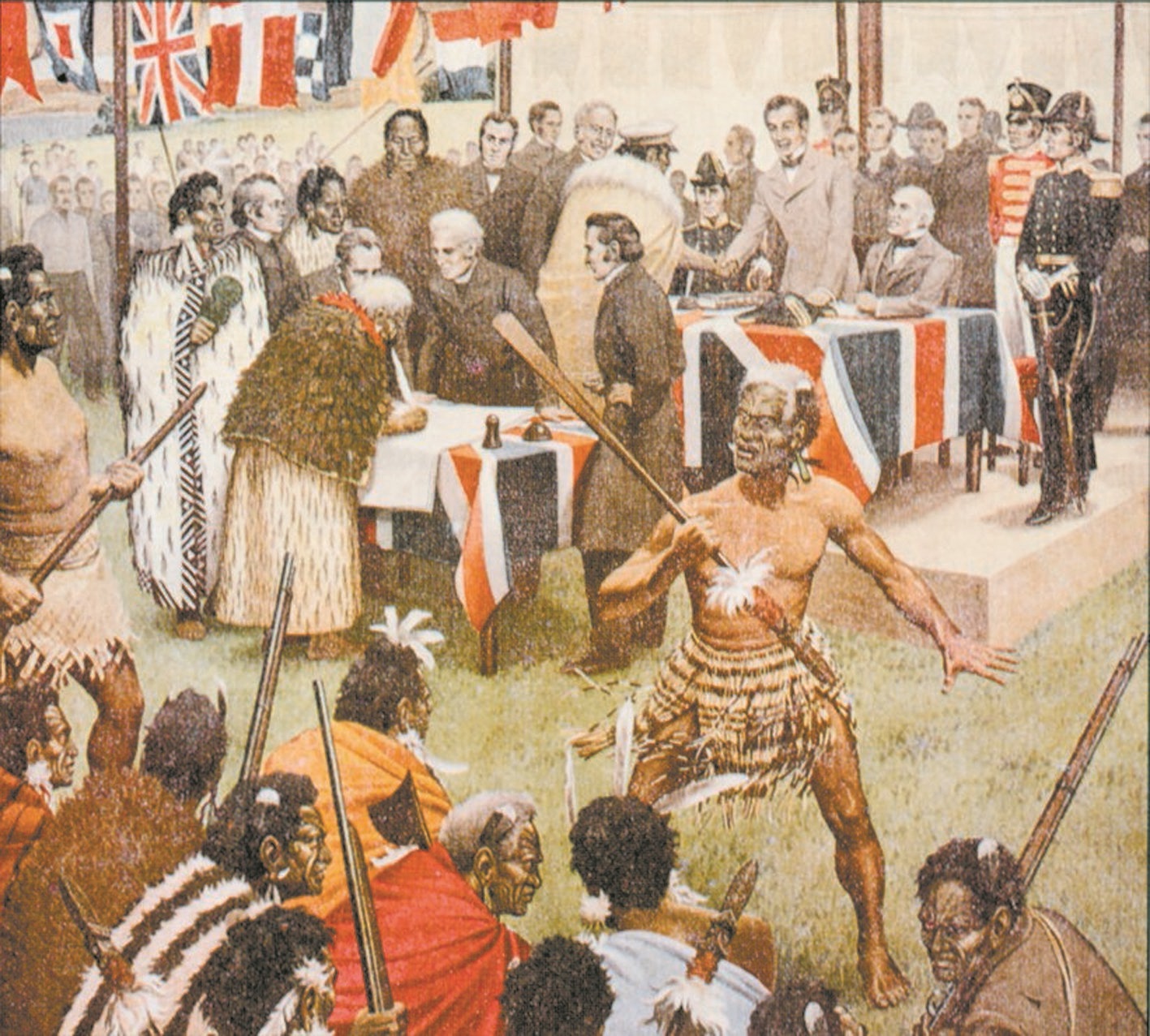

The colonisation of New Zealand was so fraught with betrayal and violence that it is difficult for some to view it as beneficial.
It is like someone who experiences the death of a loved one. There is a huge amount of grief, but along with the pain and loss one might experience, out of the ashes, life can still go on and have meaning and joy.
For many Māori, colonisation brings feeling of loss like a death. Grief over the loss of opportunity, the resultant poverty of families and a constant reminder of what could have been if the Crown had been honourable.
To tell someone to get over it is as useful as telling someone to get over their grief.
Dr Paerau Warbrick, from the University of Otago, suggests that asking whether colonisation was good or bad is the wrong question. He says the true question is who were the winners and who were the losers?
The usual argument is that the British brought peace, security, literacy, technology and access to world markets to bring about prosperity for Māori. The problem with this is that these things were already in place before the Treaty of Waitangi was signed.
In fact the Treaty was able to be pursued by the British because all these things were already in place. Many people forget that Māori had progressed significantly after the interaction with Captain Cook 70 years earlier.
Māori have always been adopters of new technology and were keen to gain access to international knowledge, technology and economics.
The missionary Samuel Marsden was astounded at Māori abilities in commerce, identifying a genuine aptitude that was later snuffed out when Māori were becoming too successful.
By the mid 1830s Māori society had progressed through a rapid process of modernisation.
The musket wars had largely ceased and most of the country had embraced Christianity resulting in an explosion of literacy with higher rates than Great Britain. As New Zealand became more peaceful, systems of agriculture and industry were developing quickly with the invaluable assistance of missionaries and Pākehā settlers.
Māori participated in the early industries that Pākehā brought to New Zealand such as sealing, whaling and flax production. My ancestors moved to Kāwhia in the 1820s primarily to supply flax for the miles of rope every sailing ship needed.
The Australian newspaper reported in 1827 that about 50 Pākehā were in Hokianga cutting down trees ‘‘and instructing the natives in ship-building’’.
Māori were prepared to engage in the Treaty of Waitangi for two main reasons, for the British to control the European population living here and for Māori to gain new technology with accompanying opportunities to trade and experience economic prosperity.
While the Māori population was greater than the British, the economic and technological development of Māori continued to progress.
One of my Ngāti Maniapoto ancestors bought one of the early ships built in New Zealand so that he could trade and build the prosperity of his people. He negotiated with the British governor to sell land so that a town would be built so that the tribe could provide goods and services to British settlers.
In 1850 he was the very first customer of the New Plymouth Savings Bank, depositing £35.
However, as the population of British settlers increased, they claimed the economic and political power for themselves and Māori were increasingly denied the right to control our own path.
The loss of land and its accompanying resources through violence and broken promises was bad enough, but it was the loss of political power that enabled the settlers to prioritise settler wealth through Māori impoverishment.
There has been a consistent myth that we were given the benefits of civilisation. In fact we always had to pay for them at hugely marked up prices.
It was the price we paid for being colonised and we were supposed to be grateful for it.
Our people wanted technology and knowledge and were prepared to buy and trade for it.
However what the settlers wanted was for us to surrender our resources, lands, forests and fisheries so that they could gain the profit off it. Māori were subordinated to providing the land and unskilled labour to enable the settlers to prosper
While the setting up of the New Zealand colony brought initial success and prosperity to Māori, ultimately that prosperity was to be the privilege of the settlers. We still see vestiges of this thinking when we hear the term ‘‘Māori elite’’ bandied round.
Colonisation ensured success and wealth was for the settler and their descendants, where Māori success is often resented because it seen as undeserved.
• Dr Anaru Eketone is a professor in social and community work at the University of Otago