

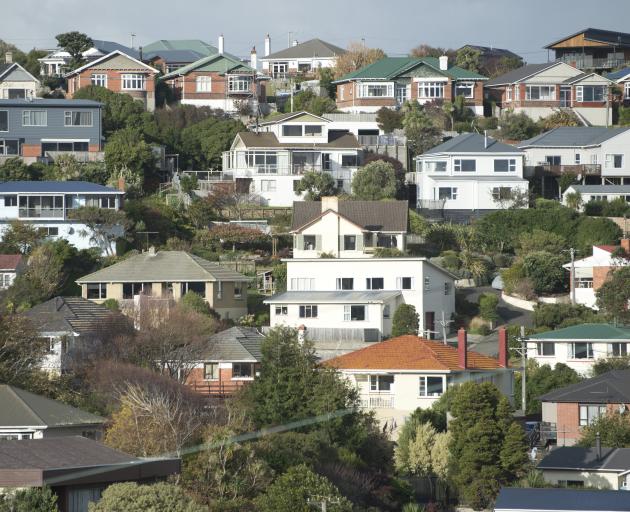
NIDD Realty owner Joe Nidd says the current market is balanced, with a selection of properties available and buyers looking to get on the property ladder or add to their portfolio.
While many were being cautious, they were still actively searching the market.
“A lot of people who held off making decisions in recent years are making their moves and locking in interest rates,” Nidd says.
Buyers are taking more time to weigh up their options given the choice available, although well-priced properties are still moving quickly and attracting more unconditional offers.
Areas attracting the strongest interest include those where buyers feel like they are getting good value and where the homes suit families and owner occupiers.
“Buyers are focused on liveability, condition, schooling, and overall value rather than just chasing a suburb by name,” he says.
“The strongest demand is for well-presented homes that feel move-in-ready. Buyers are really valuing homes that do not come with an immediate list of jobs to do. There are still people looking for a project, but those properties must be priced sharply.”
Nidd says the rise in available stock has created a real sense of opportunity among buyers.
“Some buyers think that because there is more stock available, they can wait to make decisions and negotiate hard, but the better properties are often still attracting strong competition and selling relatively quickly.”
He suggests that lower interest rates have played a role in the market and boosted confidence among those wanting to make their next move without a huge increase in costs.
“People are aware that rates may not stay this low for long so are often locking in for longer terms to give some certainty into the future.”
His advice to homeowners who were thinking about selling in the current market was to be realistic on price, and to make sure that the property is presented well to the market from day one.
“Buyers have more choice than they did in a tighter market, so a strong first impression really matters.”
Looking ahead, Nidd expects the market to remain fairly steady.
“I do not think we are looking at anything dramatic, but I expect continued good activity around well-priced, well-presented homes. Buyers will likely stay selective, but the balance in the market should remain.”
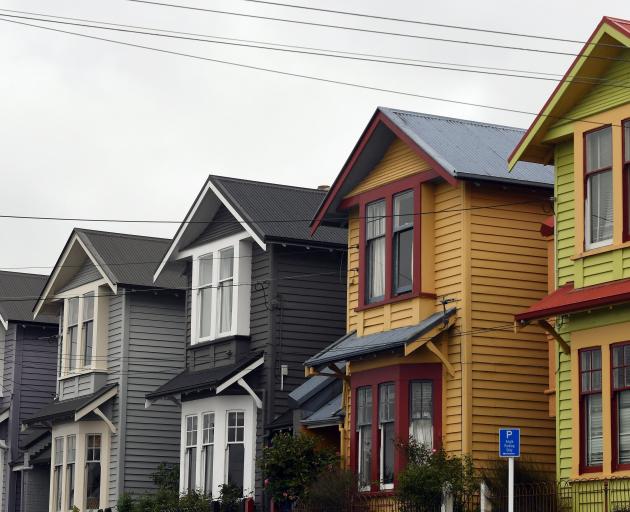
“The Dunedin market is steady and remains consistent, with good underlying demand, particularly at the more affordable end being under $650,000,” he says.
There are currently around 920 advertised properties on the internet for the wider Dunedin area, with the city remaining well positioned compared with larger centres. The area offers relative value that attracts first home buyers.
Buyers are also more price-conscious than they were previously, meaning that well-priced property is moving, while overpriced homes can sit for longer.
They are also taking a more considered approach, doing more homework, taking their time, and being selective, with the use of apps and online tools to help them navigate the process before they even view a property.
“They are focused on value, condition, and finance, and they are less likely to stretch for a property that feels overpriced or needs too much work.”
First home buyers remain a valuable part of the real estate market, and conditions suit them well because lower deposit entry is still achievable. That’s something that can be harder in bigger cities.
Dunedin’s market is being driven by suburbs that offer a good balance between value and lifestyle, with Mosgiel remaining one of the most active areas because it appeals to families and people wanting to downsize.
Affordable suburbs including South Dunedin, Calton Hill, Mornington, and North East Valley/Pine Hill also continue to attract attention.
Muldrew says that demand is strongest for well-presented, entry to mid-level homes, particularly those that are warm, tidy, require minimal maintenance at the outset, and have off-street parking.
While interest rates have eased from their peak, lending conditions are still influencing behaviour.
But the biggest change in recent times has been a shift toward a more balanced market.
“There is still demand, but buyers have become more measured and more selective,’’ Muldrew explains. ‘‘First home buyers have become more influential, while the broader market is no longer being driven by urgency alone.”
That change is shaping competition, with strong results being achieved for the right properties.
“Multi-offer situations are still part of the landscape when a property is well presented and sharply priced.”
Trident Homes Dunedin franchisees Anna and Brett Johnston are noticing a shift in the building sector, with enquiry levels easing slightly compared to this time last year.
While there remains a solid pipeline of work underway, the nature of enquiries has changed.
“Where we were previously receiving nine to 10 enquiries a week, we’re now seeing fewer come through,’’ Anna says. ‘‘However, the enquiries we are receiving are more serious and committed, which is really encouraging.”
A mix of uncertainty, rising interest rates and ongoing cost-of-living pressures are likely behind the shift, although there is hope confidence will return.
“We hope that people see past it.”
Drawing on experience, Anna says quieter periods are not unusual in the industry.
“It’s just a bit of a quiet patch; it always does come right.”
In the meantime, the team is working hard to support clients where possible, including absorbing some of the increased costs, such as those driven by higher fuel prices.
Changing buyer behaviour is also becoming more apparent. Many clients are rethinking the scale of their builds, with smaller homes, townhouses, and duplexes gaining traction.
“We’re seeing more of that than we’ve ever seen,’’ Anna says. ‘‘The budgets are not where they were.”
That shift is often reflected in more compact designs, with some opting to have a single garage instead of a double, while three-bedroom homes are proving increasingly popular.
Interest remains spread across Dunedin, with areas such as Bush Road, St Clair, Sawyers Bay, Concord, and Mosgiel continuing to attract attention.
Overall, Dunedin’s property market has altered slightly compared to recent years, but its steady pace and ongoing demand continue to provide confidence for both buyers and sellers.

The average residential property value in Dunedin now sits at $659,571 (March 2026), up 3.3% year-on-year and 1.6% over the past three months. That points to a slow but steady recovery after the post-2021 downturn.
Sales activity has lifted compared with early 2025, with February recording the highest median sale price in more than two years. Transaction volumes are also stronger than they’ve been for at least a couple of years, based on local market reporting.
Days on the market have stayed steady, suggesting neither buyers nor sellers are under much pressure and negotiations are becoming more balanced. Median days on the market are currently around 36, down from about 45 in February.
There were around 189 house sales in March 2026, compared with roughly 224 in the same month last year.
Price growth hasn’t been even across the city. South Dunedin remains one of the more affordable areas, with average values around $410,000, while East Taieri sits above the $1 million mark, underlining the gap between entry-level and premium suburbs.
The rental market is still tight, especially for family-sized homes. Median weekly rents across Dunedin are now about $550, with larger homes typically renting for more.
National figures show Dunedin outperformed most main centres in early 2026, posting a 0.9% lift in values in February while many other regions were flat.
With lower mortgage rates than in recent years and affordability improving, the market is widely seen as moving out of recovery and into a period of consolidation, rather than gearing up for another rapid surge.


