

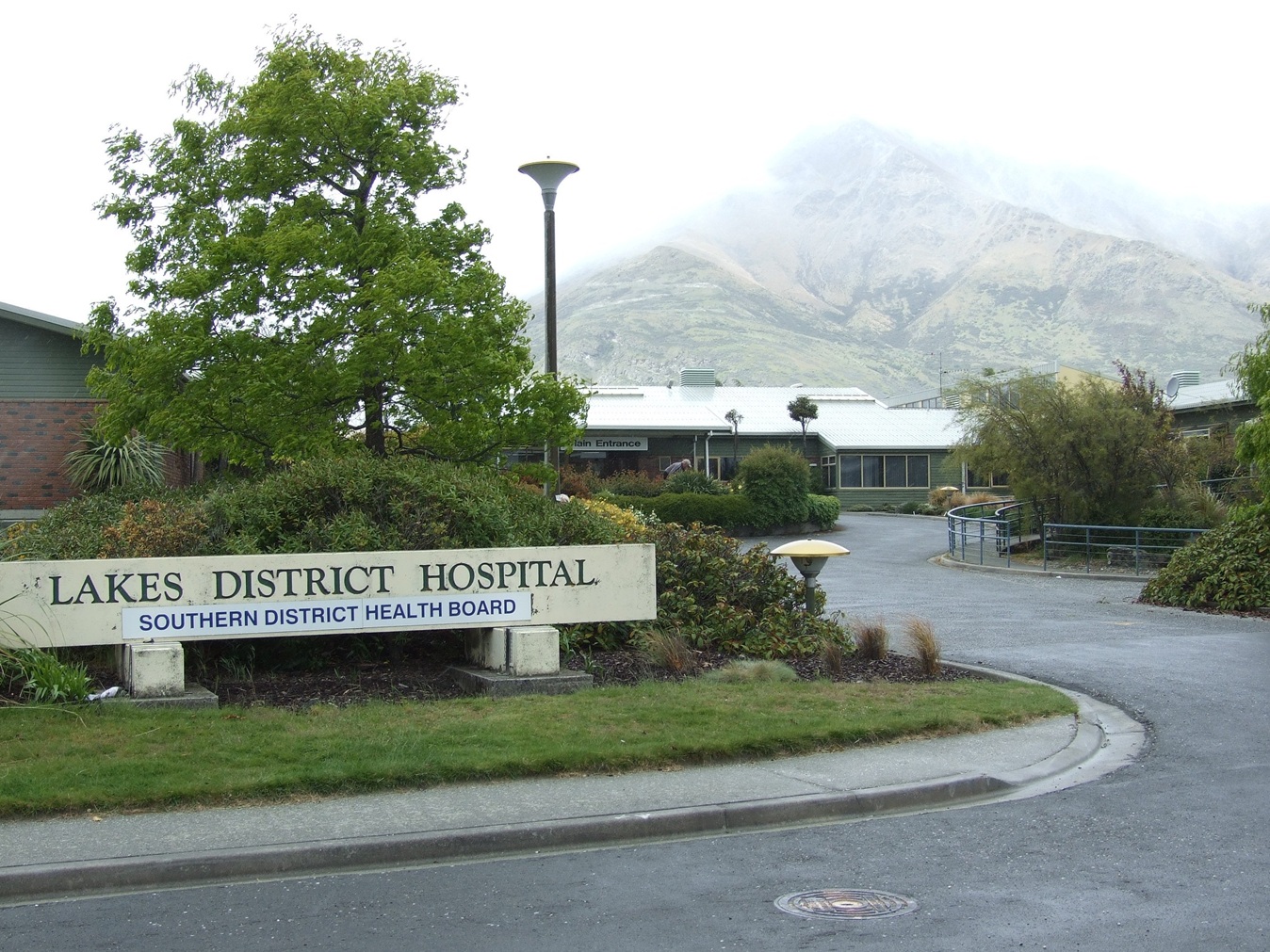
Chris Ashton, Health New Zealand’s group director of operations, southern, confirms “there are currently four nursing vacancies at Queenstown Lakes District Hospital that we are actively recruiting to”.
“We expect all vacancies to be fully recruited by August this year. “Whilst we are recruiting to these vacancies, we are managing any roster gaps through utilising our part-time and casual staff capacity.”
NZ Nurses Organisation (NZNO) president Anne Daniels has concerns over the time the recruitment process is taking and whether they’ll find nurses who can step immediately into a difficult role, for example, managing trauma patients waiting to be transferred to a base hospital.
She’s worried, too, about the strain being placed on part-time and casual staff having to plug the gaps.
But she also believes Health NZ’s recruiting to budget, rather than need — meaning more than four more nurses are required to meet the needs of a fast-growing resident population, along with rising visitor numbers.
Daniels reveals Health NZ started the recruitment process in December. However, it took them four months to sign off on the request. “This is something NZNO has challenged [Health NZ] Te Whatu Ora about — the long delays in signing off recruitment, because it has to go through many layers of people before it actually gets signed off.”
Added to which, she suggests the process could have started even earlier when the resigning nurses handed in their notice.
“And so I think Te Whatu Ora needs to be challenged on its recruitment process, which is not supporting the staff on the ground and certainly not supporting the patients that come to us for help when they’re in dire need.”
Complicating recruitment, Daniels says, is Queenstown’s dire housing situation.
“It’s difficult to attract nurses, or anyone in fact, to Queenstown nowadays, because the one big barrier is being able to actually get housing.
“So nurses will actually accept a job offer, but then they’ll turn around and see if they can find a place to live, and if they can’t do that, then they may turn down a job offer.
“And the other part is the cost of housing is huge, and I’m not sure our nurses can actually afford that.”
Daniels says on days off she works in Dunedin Hospital’s emergency department, so she’s aware of the skill and knowledge local nurses need to handle trauma patients before they’re ferried from Queenstown and Wanaka.
“I’m concerned the people they are going to recruit will not have that knowledge and experience.”
She says nurses can take 18 months to get up to speed in a new area.
Meanwhile, part-time and casual staff are being counted on to fill the gaps when they’d otherwise have time off, Daniels notes.
“There’s possibly a huge amount of overtime occurring and that will lead to burn-out and exhaustion.
“My question would be how much overtime and extra shifts are being used to plug the gaps, and how long has that been going on for?
“Because that would actually tell you how tired the nurses are getting, and they’re going right into the busiest time of the year for them.”


