
PHOTO
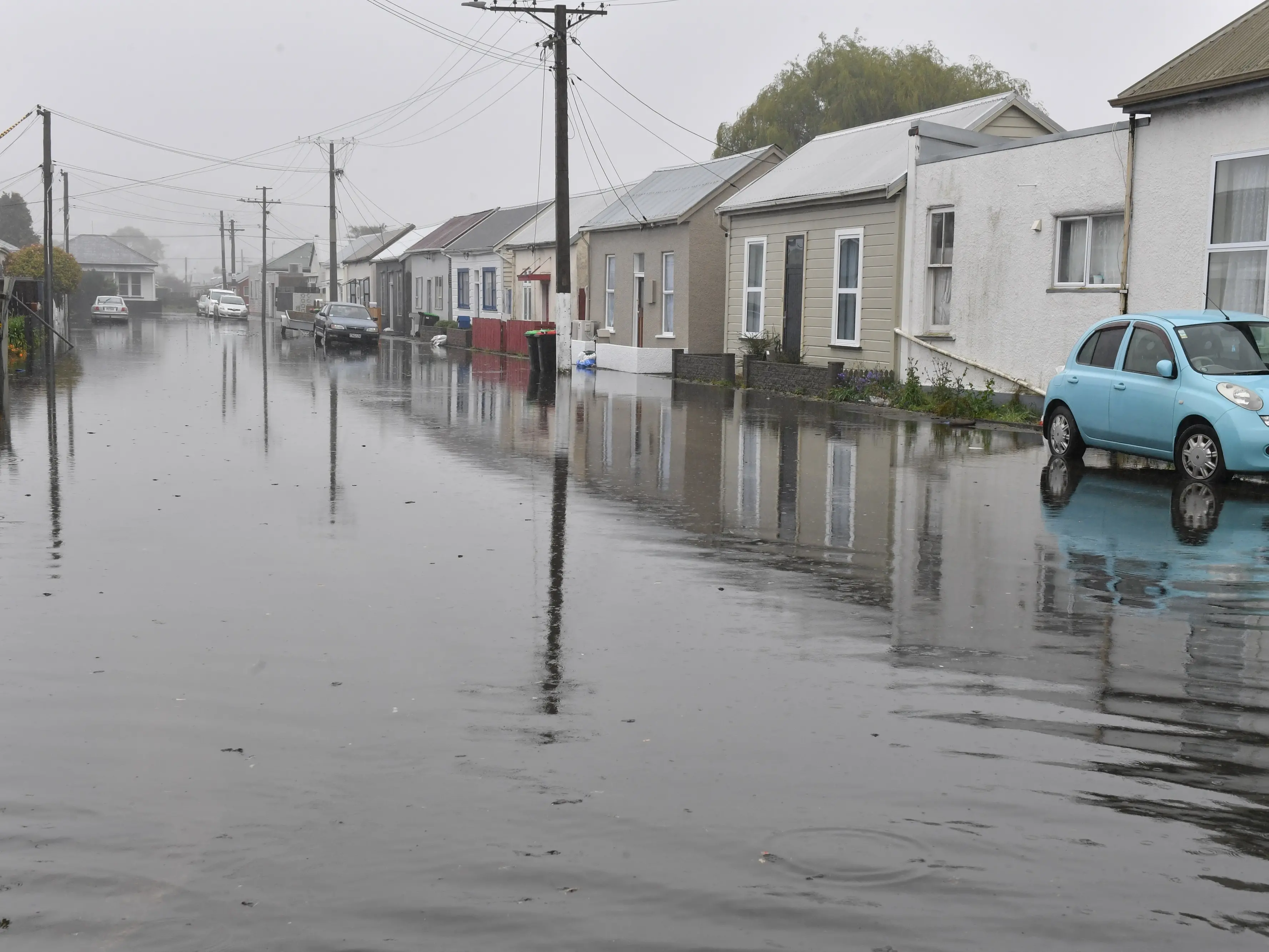
The recent exchange between Lynne Newell (of the Surrey St Flood Action Group) and the Dunedin City Council following the ODT article ‘‘No restrictions, insurer pledges’’ (5.2.26) exposed a key question for South Dunedin: is the history of flooding caused by natural hazards, or an undersized stormwater system?
Lynne said: ‘‘We don’t have any rivers, we don’t have any streams, we don’t have anywhere that can cause a flood ... there are no natural hazards in the area. We have pipes that don’t work and pumping stations that don’t work.’’
On Facebook the DCC responded. It called the comments ‘‘false and misleading’’ and stated: ‘‘there are extensive natural hazard risks in South Dunedin, including (but not limited to) rainfall flooding, groundwater, tsunamis, earthquakes, liquefaction, coastal erosion and inundation, and landslides. Our pipes and pumps work — the issue is the capacity of the network during periods of heavy rainfall.’’
Who is right?
The physical evidence is straightforward. In the 2015 flood and 2024 flood, flooding began at just 8mm-an-hour rainfall intensity. This is well below the design 14.3mm/hr stated when the pumping station was installed in 1964.
Modern New Zealand urban stormwater systems are designed to contain one-in-10-year rainfall events within the pipes, about 18mm/hr for South Dunedin, and one-in-100-year events without water entering buildings. Flooding at 8mm/hr indicates a grossly undersized system.
The DCC’s own comment that ‘‘the issue is the capacity of the network’’ confirms the size problem.
DCC reference to ‘‘extensive natural hazard risks’’ is largely irrelevant to South Dunedin’s 60-year flooding history. None of the listed natural hazards has caused floodwater to enter homes.
‘‘Rainfall flooding’’ is human-made, due to inadequate drainage. ‘‘Groundwater’’ does not overwhelm suitably engineered stormwater systems.
However, ‘‘catchment change’’ allowed by the DCC for housing and other development, but omitted from the list, causes increased stormwater runoff from expanded hard surfaces.
Reading the natural hazard summary makes South Dunedin sound perilous. Do residents need danger money?
Why has the DCC never formally stated in any publication that South Dunedin’s flooding is caused by an undersized stormwater system? Previous engineering investigations identified workable, conventional flood-proofing solutions, including splitting the South Dunedin catchment in two to halve stormwater flows in key pipes.
These proposals were shelved in favour of the South Dunedin Future programme, a future-climate-focused process frequently referencing ‘‘green solutions’’ and ‘‘land use change’’ — polite wording for ‘‘managed retreat’’.
Where does the blame sit? It rests with successive elected councillors over the past 60 years, who chose to ignore stormwater upgrades as catchment run-off intensified.
Equally concerning is the DCC’s refusal, via the South Dunedin Future programme, to commit to right-sizing the stormwater system within a defined timeframe. Why not clearly commit to (i) fixing present-day rainfall flooding first, and then (ii) continue long-term climate adaptation?
Blending urgent stormwater infrastructure needs into 75-year climate modelling has created paralysis and more flood victims.
The emerging insurance dilemma adds urgency. Insurers retreat from locations facing repetitive loss. If insurance retreat reaches South Dunedin, it will not be due to tsunamis, but long-term inadequate drainage.
About 90% of Facebook comments challenged the council’s stance, arguing that South Dunedin has been let down for decades. After two days of mostly adverse feedback, the DCC closed the comments.
Adding to public frustration are recurring statements after moderate to heavy rainfall that the pipes and pumps ‘‘performed well’’, as though surprising.
It is not. Stormwater systems operate within design parameters. When rainfall remains below capacity, flooding doesn’t occur. This is baseline expectation, not exceptional performance.
This issue is not unique to Dunedin. Across New Zealand, councils have underinvested in stormwater infrastructure for decades.
Climate adaptation is essential for the future, but it should not prevent a flood-free South Dunedin today, with fit-for-purpose infrastructure.
The South Dunedin Stormwater Justice Group stands by the evidence. We welcome public debate with the DCC to review rainfall data, flooding history and engineered solutions. This will demonstrate that 60 years of South Dunedin flooding has been triggered by moderate to heavy rain acting on an undersized stormwater system.
To date, this has nothing to do with climate change. If contrary evidence exists, let it be presented.
Until the DCC formally acknowledges the inadequate South Dunedin stormwater system, accepts responsibility and commits to delivering a right-sized system within a defined timeframe, advocacy for South Dunedin stormwater justice will continue.
- Julian Doorey is a member of the South Dunedin Stormwater Justice Group.