
PHOTO
‘‘How much time have I got?”
That would probably be the first question you and I would ask if our doctor told us we were suffering from a terminal disease or illness. Of course we would.
And if the doctor told us we had only a few years left unless we immediately started to change our lifestyle, I don’t know about you, but my next question would be “so what do I have to do?”.
In fact, this is the situation all human beings face today. Unless we change almost everything about the way we live, we’re going to find ourselves in 25 years living in very different circumstances indeed.
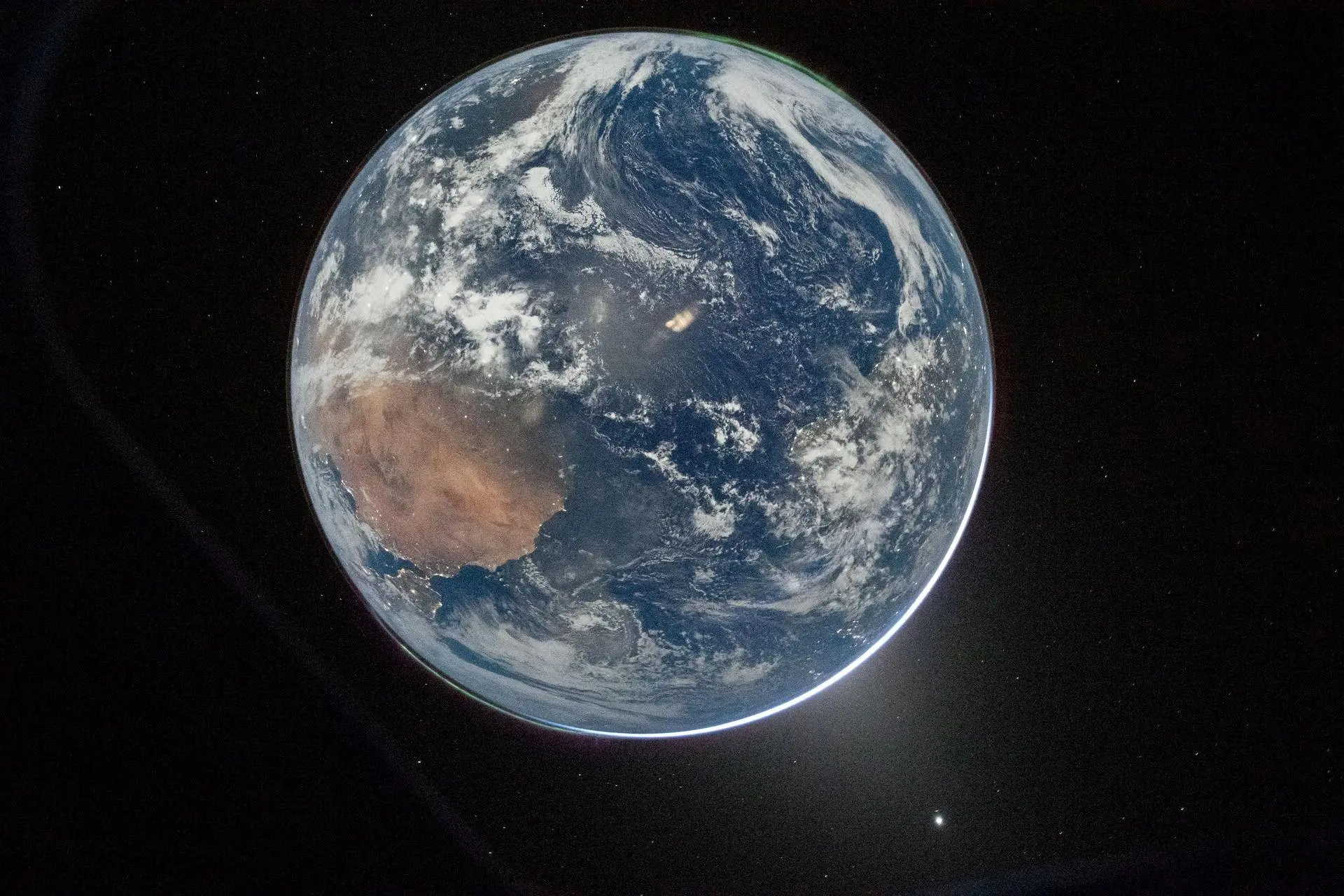
The doctor is climate science, and the patient is Planet Earth.
Of course, we’ve known about climate change for a long time – around 12,000 peer-reviewed scientific articles were written on the subject between 1991 and 2011, of which 97% endorsed the idea that it was anthropogenic: that is, caused by us. Please don’t bet our future on the 3% that disagreed.
Twenty-five years to go is not what we thought when everyone signed up to the Paris Agreement in 2015. In those innocent days we decided we could limit the temperature increase to an average of 1.5°C by 2050.
Unfortunately, deciding what we could do, and actually doing it, are two very different things, and we haven’t done anything like enough to stem the temperature increase.
On the contrary, we’ve only added to it. As a result, scientists are now telling us that, unless we change the way we live and behave, the global temperature will increase an average 3°C by 2050.
After last summer’s dismal weather, you might think that would be a benefit.
Alas, the 3°C reality is going to be very different. Imagine here in New Zealand much, much heavier and frequent storms than the ones we’ve experienced in the last six months, such that it isn’t worth repairing damaged roads and bridges, and people must change where they live.
Imagine it becomes impossible to get insurance for anyone with a house close to the sea. Imagine long droughts in the east that decimate dairy herds and ruin the horticultural and viticultural industries.
Our economy depends on our ability to export food and forestry products. Three degrees will not only affect our ability to grow food but will also affect the countries to which we export food and timber.
Those exports go to cities, and cities across the world will be hit hard. They will get bigger too, because rural areas will no longer provide sustainable life, and people will have to escape to already large, high-carbon-emitting cities for survival.
Cities now are home to 4.4 billion people and will grow rapidly over the next two decades as another 2.5 billion people move to urban areas. By 2050, two-thirds of humanity will live in cities.
Increased urbanisation will only perpetuate global warming, and that will add to the strain placed on cities: month-long heatwaves, skyrocketing energy demand for air conditioning, as well as an escalating risk of insect-borne diseases.
Soon, local cities and communities will not be able to keep up with the newfound expected expense of repairs due to climate change, and it will create serious economic problems. Indeed, if global temperatures rise to the new forecast level, by 2050 there will be a city-based economic crisis around the world.
Economic crises lead to social unrest — the poor in the cities can’t afford air-conditioning — and that quickly leads to social and economic collapse.
It’s doubtful that this will happen in New Zealand, but it could well happen in the places to which we want to send our exports.
This will increase our own economic problems: cities that collapse will not be able to buy our food, no matter what free-trade agreements we may have in place. Nor will they be able to make the things we import to maintain our own standard of living.
Just as someone with a terminal illness finds their situation declining gradually, so the planet isn’t going to arrive at 3°C suddenly on January 1, 2050.
The temperature between now and then will fluctuate within the upward trend, and, since 3°C is an average, it will frequently exceed it. Some cities in the tropics might well start to collapse in 10 years, when summer temperature increases take them to the limits of human survival.
So let’s go back to the question we asked at the start: “what do we have to do?” Here in New Zealand we are a small player, and we aren’t going to change the world.
But we can set a good example, and we can look after our own future. Obviously, the first thing to do is to try and give ourselves more time, by doing everything we can to stop global warming increasing. We all know what that means: stop using fossil fuels, increase solar and wind energy production and so on.
The next thing we can do is to elect a government in November that will start acting seriously to prepare us for what is to come.
That means preparing for us to have the best possible quality of life we can manage even when we can’t sell our food overseas and can’t import many of the things we currently need.
It means using the lens of climate change to review all the decisions we make (for instance in training for work, to ensure we have enough engineers to make many of the things we import).
It means putting aside party politics on this issue and all working together.
It means focusing on self-sufficiency, not just nationally but locally.
It should mean behaving responsibly internationally by planning to take in as many as we can of the climate refugees who will soon be looking for sanctuary.
It means using every one of the next 24 years to prepare for a 3°C average increase by 2050. And if the rest of the world were to do that too, maybe it wouldn’t happen.
Alternatively, of course, we can tell ourselves that long-term survival isn’t a priority, that what we we need now is to repeat more and more of the economic growth that causes the temperature increases of climate change.
It’s like suggesting the cure for lung cancer is to smoke more cigarettes. But are we really that stupid?
• John Drummond is an emeritus professor of music, University of Otago, who has a long-standing interest in climate issues.