
PHOTO
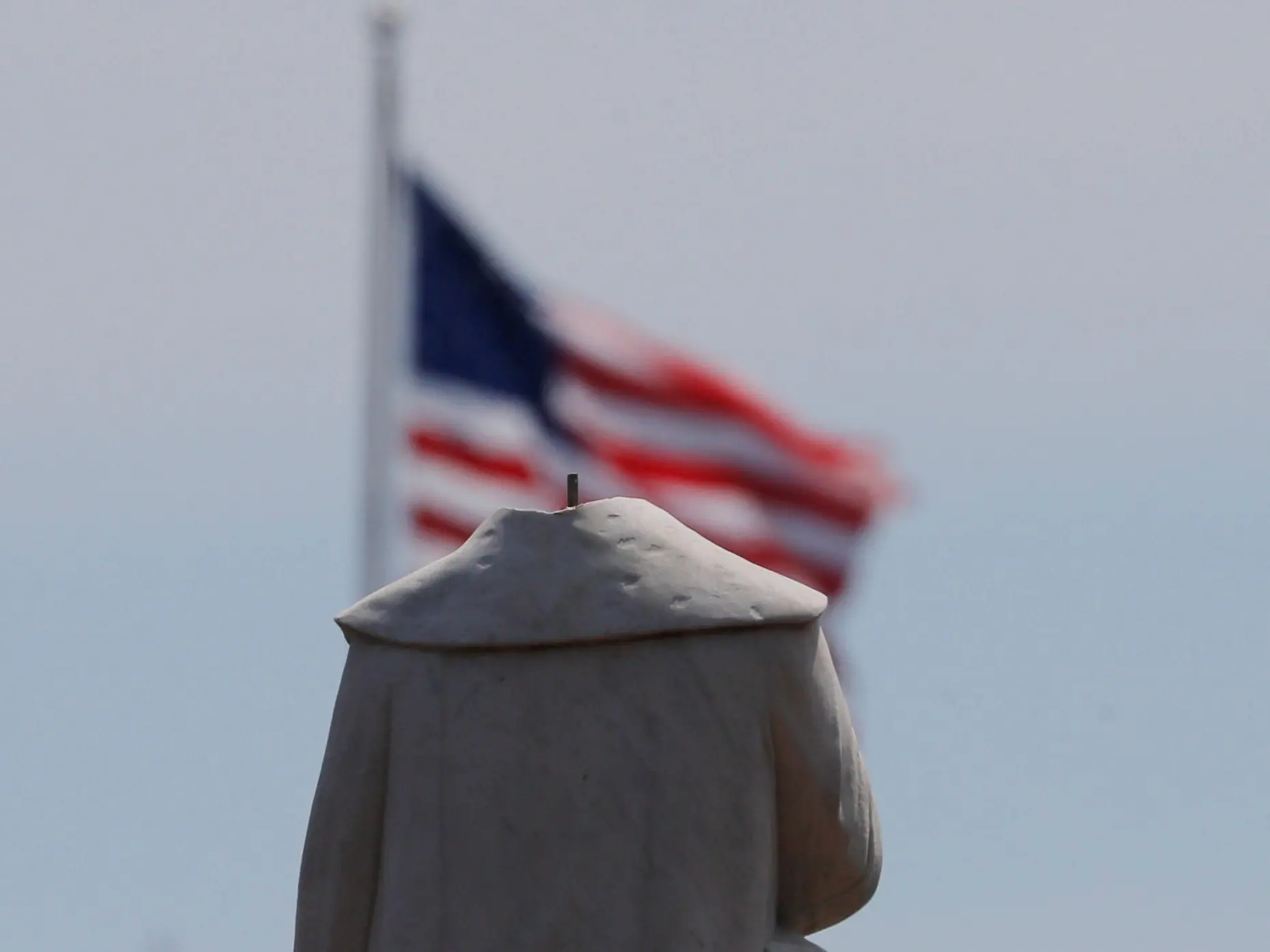

Edward Colston has been unceremoniously dunked in Bristol Harbour, Robert Milligan’s memorial has been expunged from the London docklands, Christopher Columbus has been decapitated in Boston, Winston Churchill has been boarded up, and Captain Cook has been vandalised (alas, not cannibalised) in Sydney.
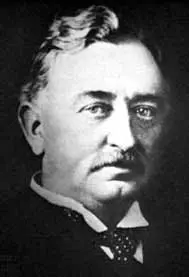
Over here in Oxford, activists have called for the removal of the statue of Cecil Rhodes adorning the facade of Oriel College. I, a Rhodes scholar, marched in the streets too. I have no doubt that countless naysayers will point out the "hypocrisy" of my actions here.
But this issue deserves considerable time and attention, and today, I wish to dedicate this column to exploring the significance of toppling statues. I will only say that in many ways, I am not who Cecil had in mind when he imagined the recipients of his scholarship wandering the hallowed halls of Oxford. I find a wicked satisfaction in knowing right now Rhodes is likely spinning in his grave like a drill bit.
As Rebecca Richards, the first Indigenous Australian Rhodes Scholar puts it, "I see the statue as different from the scholarship as the statue is largely a recognition of an individual, with his imperialist actions and reactionary views as well as his legacy, while the scholarship is an evolving and contemporary legacy that is about its contribution to people and society today."
That being said, I would welcome a change in name for the scholarship, and I look forward to witnessing and participating in the ways Rhodes Trust will challenge and review the scholarship’s history, present, and future.
This issue today, however, is about more than Cecil Rhodes. It is important to remember that this so-called "destruction" of problematic statues is nothing new. Humans have been creating and erecting monuments to glorify themselves and others for millennia. And for just as long, other people have been tearing these monuments down. Mere days after the Declaration of Independence was ratified, impassioned American soldiers and civilians tore down a gaudy statue of King George III in Manhattan. Not so long ago, statues of Felix Dzerzhinsky, the founder of the Soviet secret police force, were pulled down in Moscow’s Lubyanka Square, in 1991. I could go on.
As the saying goes, "History is written by the victors". The victors, for better or for worse, have erected the countless statues dotting the planet, in a bid to foster a specific collective memory and patriotic pride. It is most definitely time to re-examine many of these monuments. Many people argue that pulling down statues of racists and colonialists’ memorials will erase or rewrite history. The absence of these statues will presumably lead to forgetfulness about our fraught history — for example, about Britain’s deplorable role in the history of transatlantic slavery, or about the violence and disease Cook and his ilk visited upon the shores of Aotearoa.
I firmly disagree. The removal of such statues will not in any way erase history. Have we forgotten the atrocities of the Holocaust, in the absence of public Nazi memorials? Rather, the heightened awareness of these problematic statues is encouraging people to learn more about the legacy of these commemorated “heroes”.
Statues are not passive or uncritical, nor erected as educational objects. They glorify the subject and legacy, and, if elevated, imperiously gaze upon us. As the Pharaohs of old did with their pyramids, statues such as those of Rhodes and Colston function as desperate bids for immortality; a way of solidifying one’s legacy — not that the people still reeling from the devastation of apartheid and the transatlantic slave trade could forget.
If we truly wish to make these statues educational objects, why not relocate them to a museum, or a sculpture garden such as those found in Russia or Hungary, where hundreds of Soviet-era relics lie? An honest and comprehensive account of each individual’s actions and legacy should accompany such installations.
Alternatively, councils might commission artistic interventions. The street artist Banksy has proposed that the local authorities reinstall Colston on his plinth and commission life-sized bronze statues of protesters in the act of pulling it down, to illustrate and reflect upon Colston’s ignominious but well-deserved dip in the harbour on June 7. Other people have proposed building a second version of the statue that could be defaced with graffiti.
I strongly believe that in New Zealand, we ought to commission local artists — particularly local Maori artists — to rework and recontextualise statues that commemorate our statues with troubling colonialist legacies. Or, why not go a step further, and replace the countless statues of Cook, Hamilton, Nixon, or Grey with beautiful works by Maori and Pasifika artists? We need to recognise the historical marginalisation of Maori and Pasifika people in public monuments, and work towards rectifying this in an honest and balanced way.
Finally, let me say that it saddens me immensely to see so many people rail so passionately over the removal of racist statues. If only they put the same energy into protecting actual flesh and blood; the lives, interests, and rights of our BIPOC (black and indigenous people of colour) friends and family members.
Let us not continue to unreservedly and uncritically glorify symbols of white supremacy and colonial violence. Statues of racists, violent colonialists, and slave-traders normalise the past, and render the injustices perpetrated by their subjects more palatable and easier to defend. Opinions may differ as to what we do with these statues, but it is clear we cannot leave them as they stand.
- Jean Balchin, a former English student at the University of Otago, is studying at Oxford University after being awarded a Rhodes Scholarship.