
PHOTO
Southern communities need reassurance tinkering with working visas will get more New Zealanders into jobs, in the districts and in the sectors in which they are most needed.
There is concern policy changes will simply dry up the pool of available migrant labour in favour of a yet-to-be-quantified stream of locally-produced workers that will not flow as readily as many businesses need.
The Government has extended some skilled and sponsored temporary work visas by six months. This was pitched as short-term relief but businesses that struggle to attract New Zealanders say they need longer than that.
Others, including those in hospitality and in the dairy, sheep and agricultural services industries have warned of looming labour shortages as thousands of working holiday visas expire on or before September 25.
There are about 25,000 tourists on such visas in New Zealand. They have started petitions seeking six-month extensions in line with the extensions granted to other temporary workers, but their calls have gained little traction in Wellington.
Instead, Immigration Minister Iain Lees-Galloway says they can apply for an essential skills visa and, if there are no New Zealanders available and ready to do the jobs they seek, they are more likely to be successful.
There are justifiable concerns this sliver of hope does not provide enough certainty for those in, and those who might need access to, such a significant pool of labour capable of moving to wherever it is needed.
Experience says it is often needed in places that struggle to attract New Zealanders in sufficient numbers, and in jobs that either have a shelf-life or need more workers than the local labour pool can provide.
Small places with big fruit harvests, and out-of-the-way locations with significant seasonal work needs, are justifiably nervous about meeting their labour needs when the pandemic immigration settings really set in.
It is easy to have some sympathy with a policy position apparently designed for a world in which more recently unemployed New Zealanders will need to find work in areas in which they have not worked before.
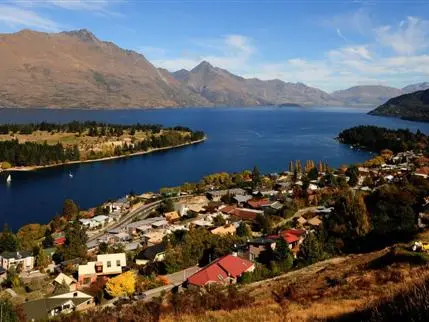
Projections suggest the unemployment rate will nudge 9% in the coming months nationally, and in the unhealthy double digits in places such as Queenstown, where tourism and service jobs are in hibernation.
On the face of it, it would be preferable for those most affected by the downturn to have a chance at work without the added, unnecessary competition provided by people who are in New Zealand temporarily, or on holiday.
This is fair, as it goes, but is difficult to square with reality. The fact is, visa holders are seldom getting jobs at the expense of New Zealanders — they are most often filling vacancies that the local job market is unable to fill.
The rules are such that employers cannot opt for overseas workers when a New Zealander is available to do the job. By and large, they employ visa holders because they are ready, willing and — crucially — there.
This was the case while much of our region had full employment and as much as we would like to think out-of-work pilots and marketers will seamlessly slot into orchard and dairy work, the transition will take time.
Suitably skilled and enthusiastic people need to be attracted to a role — and willing and able to move to a new place — and then trained, and retained. Wage rates and personal responsibilities all play a part.
An increased number of unemployed people does not automatically lead to an increase in the number of people with the skills and qualifications employers need, in the regions in which they are needed. Until it does, and while people cannot be compelled to move to places where there are jobs, employers will want the pandemic visa settings to reflect what is needed to keep the economy, and our communities, going.