
PHOTO

The Government’s attempt to play down the Auditor-general’s criticism of the Covid-19 tourism lolly scramble, otherwise known as the Strategic Tourism Assets Protection Programme, is unconvincing.
It is not good enough for Tourism Minister Stuart Nash to airily dismiss the issues identified by referring to the time pressure the Government was under in early 2020 and saying that with the beauty of hindsight there will always be lessons to learn.
Mr Nash did not have the tourism portfolio at the time, but his predecessor, Kelvin Davis has not spoken about the damning report. Finance Minister Grant Robertson has echoed Mr Nash’s sentiments.
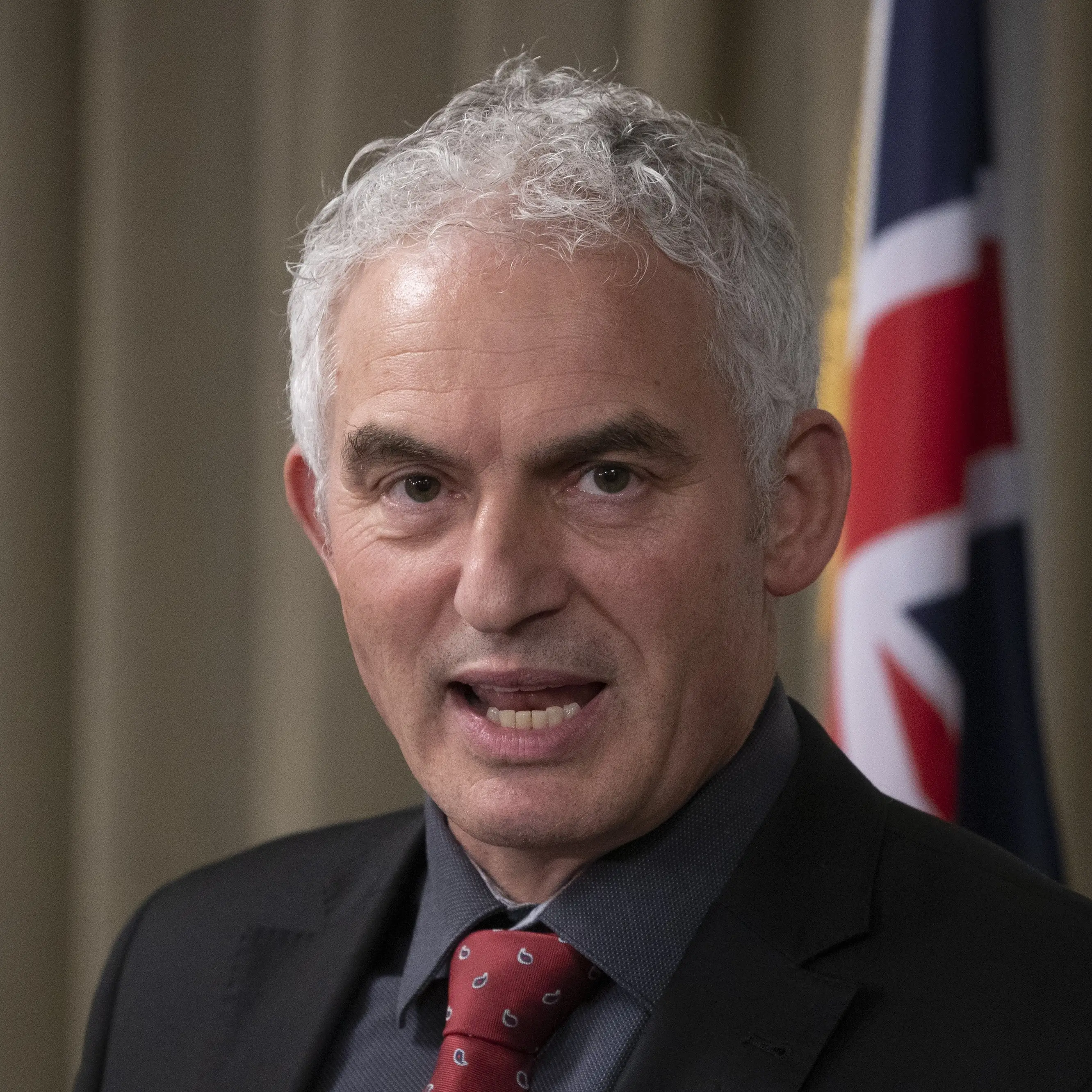
In his 60-page report Auditor-general John Ryan is clear his office did not expect perfection given the short time frames involved for Ministry of Business Innovation and Employment (MBIE) officials.
What transpired was far short of perfection.
The $290 million rescue package designed in May 2020 was supposed to support strategic tourism businesses with funding decisions made in late July that year. It was originally expected to cover up to 50 businesses, but in the end 127 operators received grants or loans and so far, at least $166.1 million has been allocated.
However, by July 2020, MBIE officials, who Mr Ryan said were doing their job to provide free and frank advice throughout the process, wanted to call a halt to STAPP. They told the tourism recovery ministers (covering tourism, finance, Maori development, and conservation) the economic context had changed so much STAPP should be stopped, or alternatives developed. By the time the funding decisions were being made the ministers found it hard to tell what were strategy tourism assets, were unsure how many businesses to fund and could not confidently tell who would go under without funding. More advice was sought on Maori tourism, and decisions were later made to fund all eligible Maori businesses even if they did not meet the assessment score applied to other operators.
Mr Ryan found limited evidence explaining reasons for the decisions made, and without that, the ministers were not able to adequately explain why funding was provided.
He rightly saw this as unacceptable practice, regardless of the circumstances
As he said, ministers have broad discretion to make decisions, but all decisions spending public money come with an obligation to ensure decision-making is consistent and transparent.
A major flaw in the scheme was the lack of clarity around the supposedly key criterion that applicants had to have "exhausted all other avenues of support". Information backing up the applicants’ situation over this was not sought.
In the end officials said they could not confirm whether applicants had complied with this requirement.
Three businesses, AJ Hackett Bungy, Whale Watch Kaikoura, and Tourism Holdings Ltd’s Discover Waitomo, jumped the gun, seeking and receiving funding before the STAPP process formally opened. The assessment process for these applications was limited compared with later applications.
Interestingly, none of the three claimed to be at risk of imminent financial failure. Two proposed to hibernate for a period and one of the businesses was reportedly considering redundancies for up to 70% of its staff.
It is not surprising there has been concern within the tourism sector about the fairness of the programme and that businesses owned by profitable parent companies were favoured over smaller operators which were in dire straits.
However, calls by some tourist operators for the correction of any injustices have not found favour.
The Auditor-general has called for a formal review of STAPP in a couple of years to test its effectiveness.
Let us hope this is rigorous.
In the meantime, government ministers need to take heed of Mr Ryan’s call for better documenting of their decision-making. The Labour Party’s trumpeting of transparency must be backed up by its behaviour.
The sort of sloppy, poorly documented process highlighted in Mr Ryan’s report smacks of arrogance, pandemic or no pandemic.