
PHOTO
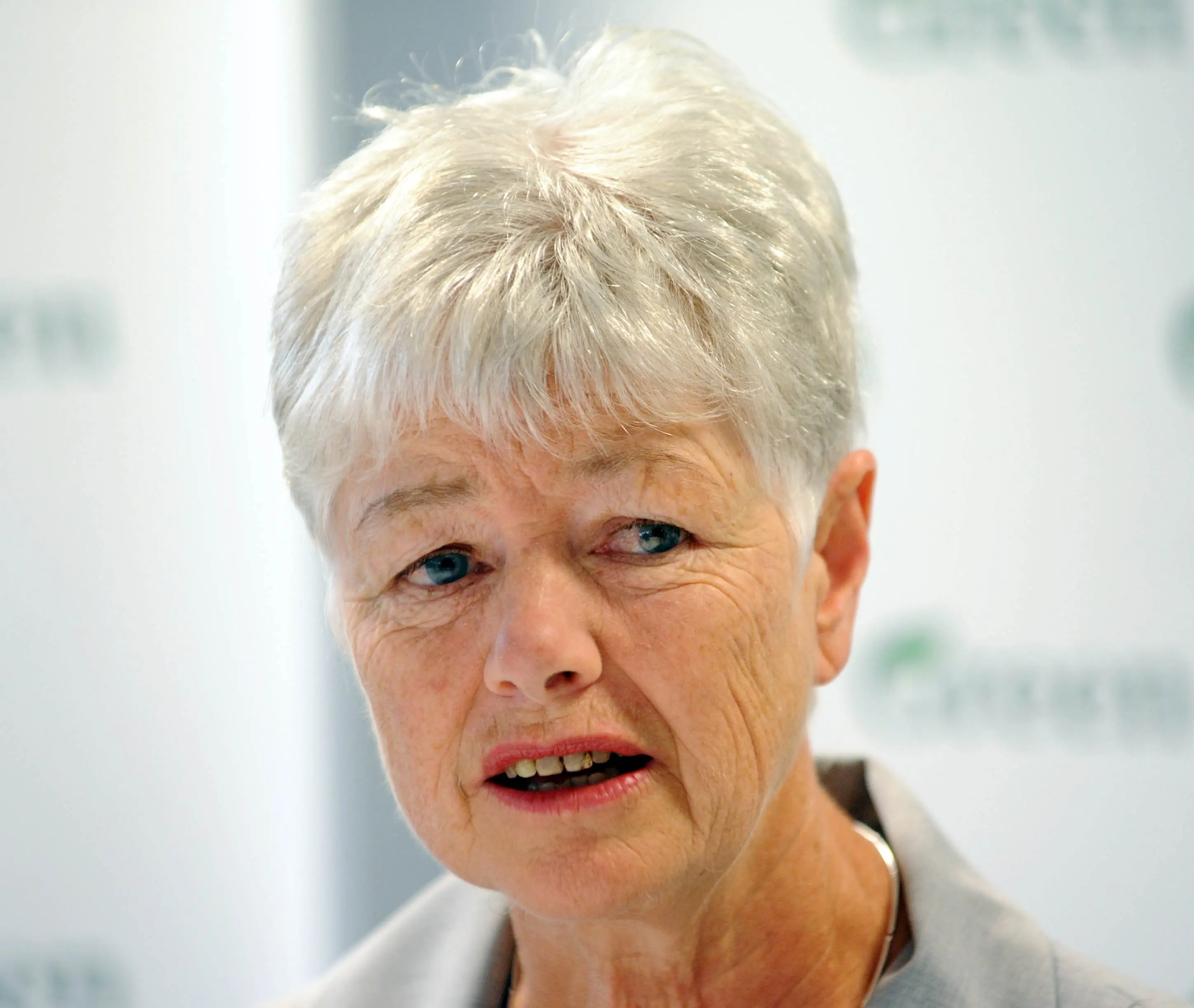
Many New Zealanders will have felt a stab of sadness at the sudden death of former Green Party co-leader Jeanette Fitzsimons recently, even though they may not have met her or necessarily agreed with her politics.
In what seems an increasingly fickle world, we need assurance there are people like Ms Fitzsimons who take a principled position and stick to it, even in the face of ridicule.
Our affection for her recognised her unwavering dedication to the causes she held dear and her determination not to indulge in petty point-scoring or character assassination as the means to an end. The good example she set to other politicians has been ignored by too many.
Although she was 75, Ms Fitzsimons, in her sensible and down-to-earth way, somehow seemed ageless, making the suddenness of her death from stroke all the more shocking.
Born in Dunedin (her maiden name was Gaston), Ms Fitzsimons spent her early life in Mosgiel but had moved to the Auckland area by the time she was high school age.
Her entry into politics came in the 1970s with the forerunner to the Green Party, the Values Party.
She became an MP in 1996, at the first MMP election, as a list member and Green deputy of the Alliance led by Jim Anderton.
In her 1997 maiden speech, she described herself as a community activist, a teacher, writer and researcher. Her views expressed then about the disconnect between constant economic growth and our wellbeing may have been scoffed at by some then but would be considered far more mainstream now.
Her central message was that there needed to be better ways of measuring economic success with the aim for a better economy, not a bigger one, an economy based on respect for people and nature, not on "dog-eats-dog competitiveness".
In her maiden speech, she said it cost more and more to produce less and less.
"Economic growth can destroy more wellbeing through pollution, stress, ugliness, and scarcity than it creates in new goods and services. Human beings are dwarfed and alienated by the scale of their technologies, which have left most of us with no apparent place in the production process that we have been taught to see as the reason for our existence."
She may have been gently spoken, but she did not mince words.
In her maiden speech, she bluntly told the House, "Just because New Zealand is travelling first-class on this planet does not mean the ship is not sinking."
At the 1999 election, she became the only member of the Green Party to take an electorate seat, that of Coromandel, although she was returned on the list at the next election.
She saw the major role of the Greens in her time in Parliament had been to set the agenda, raising issues that had never been raised in the House before.
All the same, she found it frustrating, saying in her 2010 valedictory speech she had spent 13 years weeping at the tragedy of so many people wasting time chasing the mirage of a bigger Gross Domestic Product (GDP).
"What is stopping us, as a species and particularly as a parliament, from seeing the truth that climate change, which has now entered the public consciousness, is only a symptom of a much greater issue?
"The planet is full — its capacity to absorb our wastes and generate our resources is already overstretched, and even mining the last national park and Antarctica and damming or draining the last river will not allow us to continue using even more."
After Parliament, she continued her involvement with what she called protecting people and planet including being on the front line at various protests, trying but failing to get arrested.
As former Green MP and veteran protester Sue Bradford put it, "Sometimes you’re just too well known, and too respected."