
PHOTO
New Zealand’s response to the oil shocks of 1973 and 1978 was a series of poor political decisions, called Think Big. Mostly, it was an expensive disaster.
Today we are contemplating a new series of decisions which, even if there was no war in Iran, are similarly foolish.
The child of Think Big is to hand.
The first foolish decision is to spend $1billion building a LNG (liquefied natural gas) terminal because we fear running out of gas. Yet if Methanex stopped making and exporting methanol, there would be no gas shortage.
Methanex traces its origins back to the Think Big era and is easily our largest gas consumer, using about 40% of New Zealand’s gas.
Imported LNG costs are about double the cost of redirected Methanex gas, even before the Iran war arrived.
Why would our government ever think it a good idea to leave that absurdity unchallenged?
We have been there before.
As Minister of Energy about 20 years ago I quietly hosted re-negotiations of the Maui gas contracts because the field was starting to run down even then.
The result was that Methanex took a less dominant role in the market and electricity generation took a more dominant role.
Negotiations took time, every Thursday evening for several months as I recall.
But the taxpayer paid nothing and no-one went to court.
The gas industry accommodated these transitions well, not least because Jim Bolger, then retired from politics, accepted my request that he chair the newly created gas company.
Surely, we can do that again.
It is now time for Methanex to exit the New Zealand economy altogether. Methanex gas has a much more strategic purpose than being squandered to produce and export methanol.
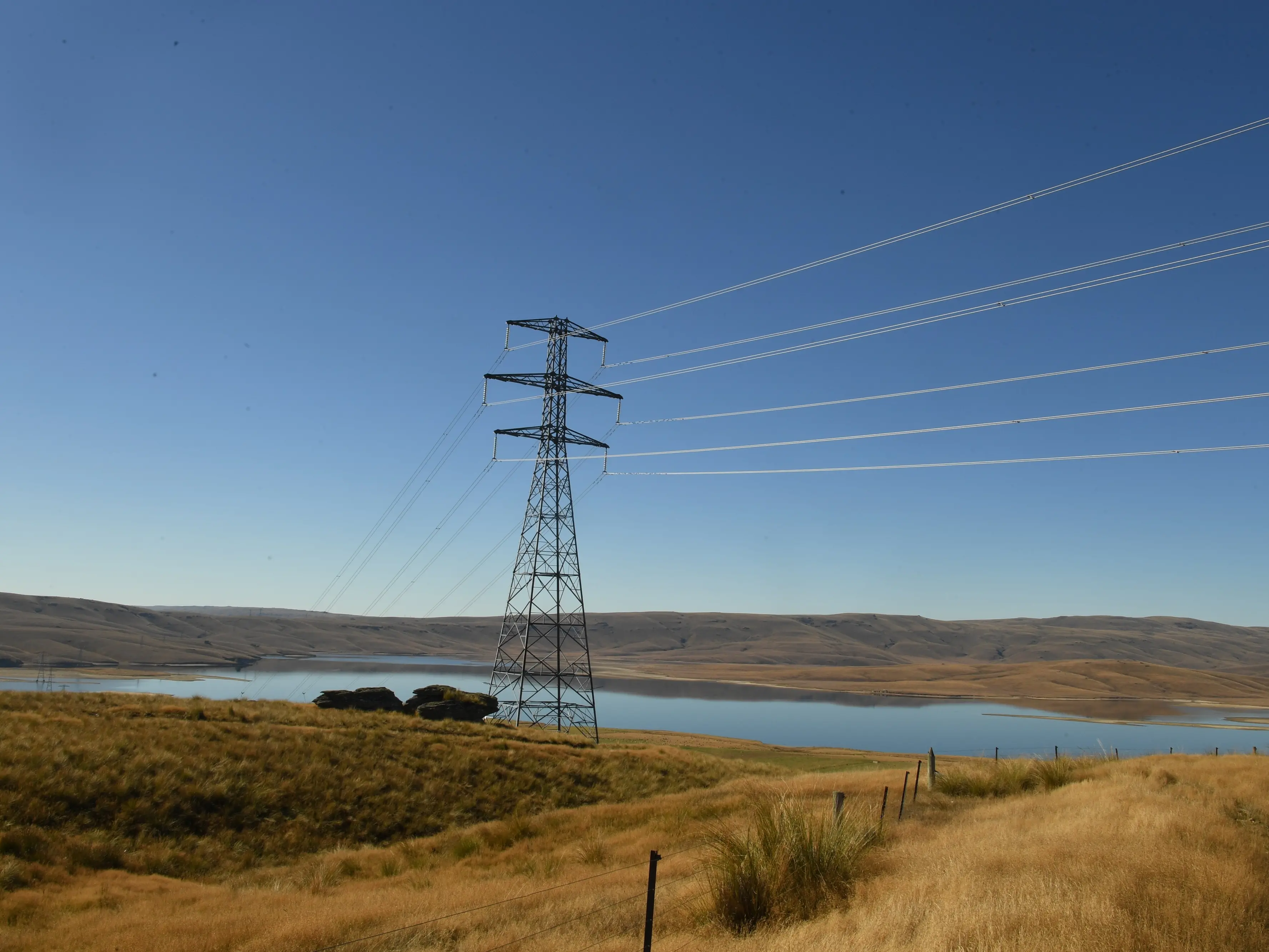
The second foolish decision is to abandon the feasibility study for the Lake Onslow pumped hydro project.
This project is designed to address our biggest domestic energy risk — a dry winter.
That risk is set to grow, because our economy is progressively electrifying. Today electricity is about 40% of our total energy use.
As it rises to say 50%, or even 60%, our risk during a dry winter also grows proportionally.
However, the risk of a dry winter is increasing for another reason.
Solar power prices have plummeted in recent years and further drops are certain.
It is now New Zealand’s cheapest and fastest growing source of electricity.
But winters are dark, so the new threat is a dry, dark winter.
The government abandoned the Lake Onslow feasibility study with a lot of petulant rhetoric and shamefully misleading comment on costs. Fortunately, some rather clever private sector folk ignored all that. They have seen the opportunity and have stepped in to refine earlier progress.
They are preparing a consent application, now being fast-tracked and are sure they will find cost savings as they go.
It is hard to see how the project might not stack up, given our whole economy is on the line in a dry year. But now we are at least going to find out, no thanks to our government.
How do we ensure we don’t have blackouts in coming years while we sort all this stuff out? The answer is coal.
There is a stockpile of coal at our largest power station in Huntly. The coal can just sit there, for years, unless or until we need it.
Of course, coal is filthy and produces a lot of carbon dioxide, but it is a legitimate short-term backstop if the alternative is a blackout.
The Huntly station is approaching the end of its life, so unlike a brand-new LNG terminal there is no capital cost to recover. Paradoxically, using coal in the next few years to ensure security of supply will hasten the economy’s switch from coal, oil and gas to electricity.
Companies considering the switch to electricity will have more confidence that they won’t be caught short in a dry winter.
It makes strategic sense for New Zealand to abandon plans for a LNG terminal now and instead swing some attention in the direction of long-term solutions to electricity storage.
If we don’t, we will have to go cold turkey in a decade or two.
Climate change is not going away and the impacts here and abroad all point unswervingly in the direction of decarbonising.
But what of electricity prices? Investment in a facility such as Lake Onslow would immediately provide opportunity for new generator entrants to buy storage, or ‘‘firming’’. That would mean more competition in the market.
One might ask why there isn’t already a lot more investment in, say, cheap solar or wind power.
The answer is that new entrants cannot readily buy firming capacity.
In a dry winter, prices can spike, crippling new entrants who are in effect uninsured.
Existing large generators have no incentive to solve this problem. It is a classic market failure. Households and businesses therefore pay more than they would otherwise.
Because the Lake Onslow project sets out to correct a market failure, some regulatory or contractual changes would be needed for it to proceed.
Though technical and detailed, they have been successfully deployed in the past and are well understood by the industry.
Any sensible government would ensure they were enacted.
- Dunedin North Labour MP Pete Hodgson was Minister of Energy and Climate Change Policy from 1999-2005.