
PHOTO
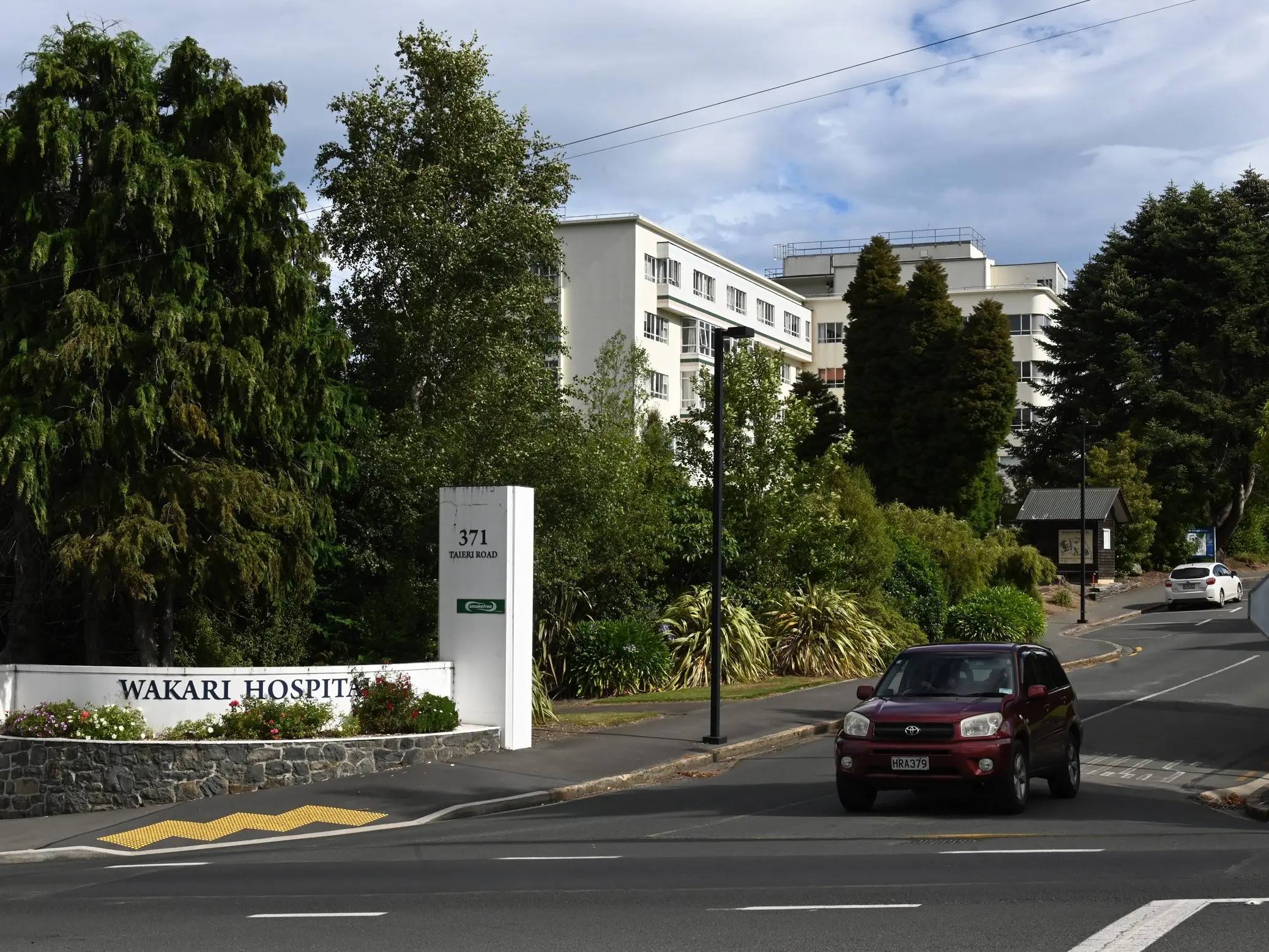
My daughter works in Ward 10a at Wakari. She and her colleagues have been devastated by the onslaught of criticism they have been receiving in the press and social media in recent weeks.
There have been regular ombudsman inspections and reports carried out on Ward 10a over the years, and it has been known for decades that the facilities are totally unfit for purpose.
That purpose is the accommodation and treatment of patients, some of whom would have been imprisoned for violent offending if it wasn’t for the fact that they have an intellectual disability, often coupled with mental health issues.
- Horror conditions at Wakari ward 'some of the worst we have observed'
- 10a ‘needs to be shut down’: ex-staffer
There’s been very little mention made in the media about the reality of working conditions for 10a staff, or about the background to incidents that would appear to demonstrate patient abuse.
‘‘Patient’s toilet access being denied and forced to use cardboard box’’ has more of a shock factor than ‘‘Not fit for purpose facilities in 10a include plumbing issues resulting in patient having to use cardboard bed pan’’.
‘‘Patient suffers carpet burns in evac bariatric mat while being dragged across the floor.’’ — I am interested in why staff have to transfer a patient around the ward in an evac mat. What safety concerns for patients and staff would require it to be used?
And what management processes would have taken place before its use was approved?
There has been criticism about restrictions on dental treatment. Could there be problems with ensuring the safety of a dentist who has to put their hand inside the mouth of an unpredictable patient with challenging behaviours?
Another question: at what management levels were decisions made to approve the long-term seclusion of a 10a patient in unsuitable conditions?
The multidisciplinary team of health professionals would surely not have done so if there had been any viable alternatives.
Living a depressing, isolated existence isn’t likely to improve the level of patient compliance.
But this isn’t the fault of the nursing staff who have to cope with ‘‘difficult’’ behaviour — to put it mildly — while working in a substandard facility.
The ODT article of July 1 includes just one sentence acknowledging the problems faced by staff: ‘‘There were also reports of bullying and intimidation of staff.’’
The level of background threat, in an environment where assaults or attempted assaults on staff may occur on a weekly basis, makes the work in 10a enormously stressful.
It is hardly surprising that the staff turnover rate is so high when there is a constant threat of injury ranging from eye damage to concussion with long-lasting effects.
Knowing that some of your patients may attempt to strangle you wouldn’t exactly add to the appeal of the job.
Last year it did seem that at long last there would be a serious effort made to upgrade the facilities at 10a (originally a nurses’ hostel) so that a safe, therapeutic environment could be provided.
Staff did a huge amount of planning for the upgrade, and also on finding a workable solution to the problems of relocating staff and patients elsewhere on site at Wakari.
There was relief and excitement that at long last the physical layout of ward 10a would be improved, leading to improved patient outcomes and a safer working environment for staff.
At this stage, staff were reassured that their level of professionalism and dedication was unquestioned.
That situation changed abruptly with the release of information from an ombudsman’s report, which staff had had no opportunity to see or respond to.
Within the space of a few weeks it was announced in the media that Ward 10a would be closed.
There was no reference to the 45-plus staff members who would be affected.
There is no guarantee that they will be offered suitable alternative positions. And reading a CV that includes ‘‘worked at 10a’’ is unlikely to impress a potential employer who isn’t aware of the full story.
Now, my daughter is no shrinking violet. She’s never been afraid to advocate for patients and staff even when it has made her unpopular.
But when I phoned her the other day she sounded as much sad and resigned as angry about what has been lacking: balanced reporting, transparency about the processes taking place, and concern for staff welfare.
Her father and I have often hoped that she would find a job that took less of a toll on her physical and mental health, but this is not the way that we would have wanted it to happen.
You might wonder why anyone would choose to stay in such a debilitating work environment — but there are positives.
One of these occurred outside a supermarket when my daughter and her husband were loading up the car. She heard her name called, turned round and saw a former patient who came up to her and asked, ‘‘Can I give you a big hug?’’.
She may have felt a bit taken aback, but her response was, ‘‘Yes of course.’’ They had a big hug, and he thanked her for everything that she had done for him during his time in 10a.
So when you read the blizzard of media reports about ‘‘torture’’ and ‘‘abuse’’ in Ward 10a, please remember that you are not hearing the whole story. Staff members cannot speak out for themselves.
We hear about the need to protect the human rights of patients — as we should. But what about the rights of the staff members who care for them in extremely difficult conditions?
Haven’t heard much about that.
• The author is the mother of a Wakari Hospital staff member. Her name has been withheld by request.