
PHOTO
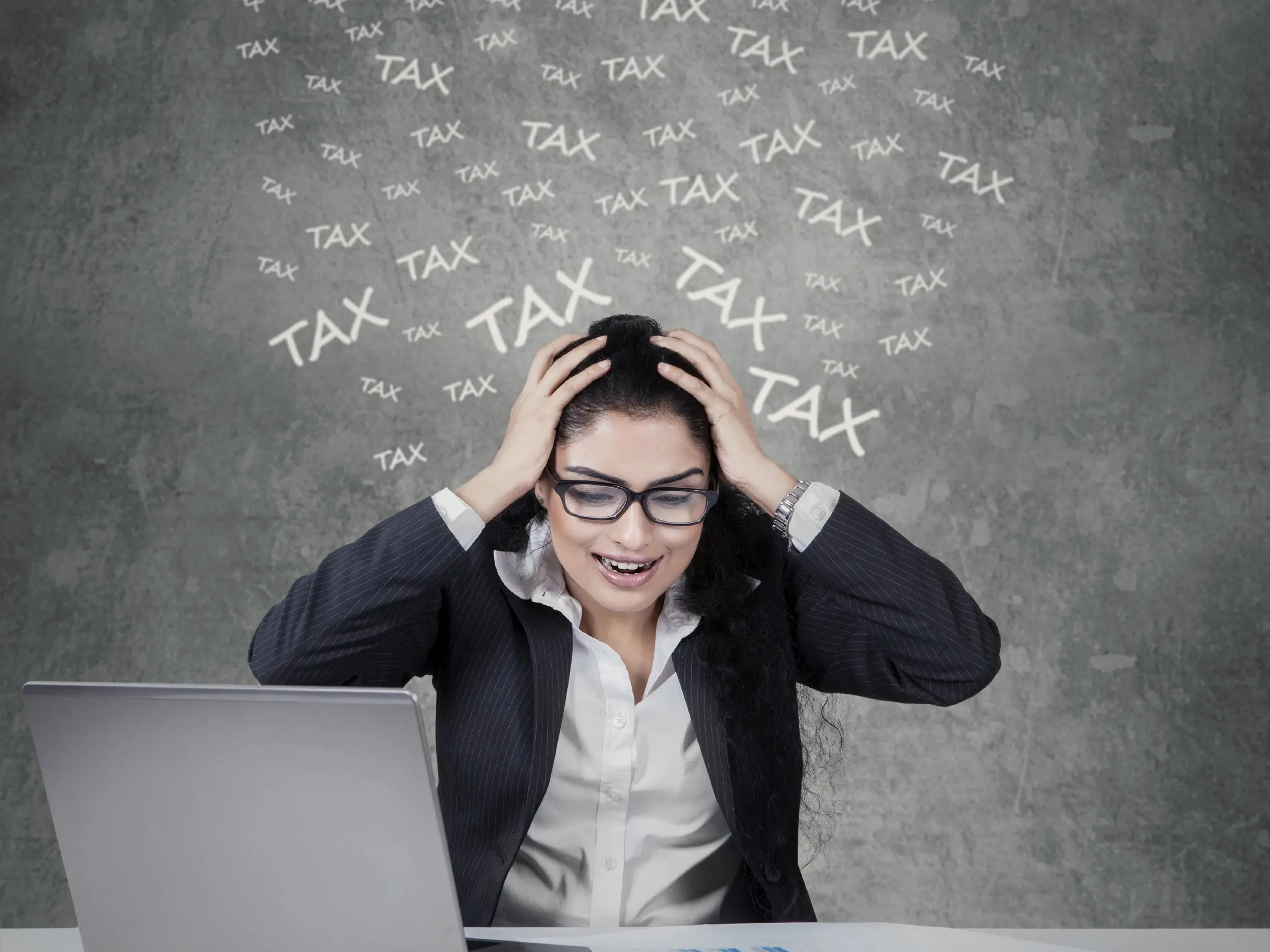
When politicians call for reform of the tax system, they are simply saying there needs to be more taxation in order to meet their expenditure needs.
The campaign for tax reform as instanced in the ODT on recent occasions should be seen for what it really is. The perpetually aggrieved present an implausible argument that is deficient in equity and logic, which is — the more you distribute other people’s income, the wealthier the nation becomes.
It should come as no surprise as the election looms that political parties attempt to outdo each other by promising to spend more and more of voters’ money. Currently, some parties are beguiling the electorate by promising to increase the tax on "Peter to pay Paul".
They do so in order to lock in the support of Paul on election day. Political parties have a vested interest in ensuring their traditional supporters are given some immunity from a plethora of new taxes.
It also seems that many academics and/or tax "experts" think that other people’s assets should always be freely available for distribution in the name of equality.
Such people have an unshakable faith that there is a simple answer to inequality, which is of course more broadly based tax such as a capital gains tax and a tax on water. Their solution to inequality is therefore obvious, accessible, uncomplicated, and inevitably wrong.
Taxing the rich is always fashionable with politicians who for the most part fail to understand that the creation of wealth is essential in any economy and is surely a better outcome than fast-tracked poverty through excessive tax.
Statistics from Treasury NZ show 48% of the Government’s income tax comes from just 12% of the working population. Put another way, almost half of the income tax in New Zealand is paid by only 446,000 out of 3,850,000 taxpayers. So it is entirely wrong to suggest that the more well-off do not pay their fair share.
The Minister of Finance has overlooked the inconvenient reality that the top 12% pay $17.6billion in tax when announcing an increase for those earning over $180,000 — in the interests of fairness.
Inequality is given as the reason to increase the tax rate on those with the ability to pay. Few would disagree with equality of opportunity but equality of outcome will require punitive not just progressive taxation. Yet that seems to find favour with some academics.
Such people ignore the reality that equality depends on how it is measured.
If the income of a 17-year-old with no experience is compared with a well-established person nearing retirement with 50 years of experience, then inequality is entirely obvious and reasonable.
A fleeting glance at the current tax situation is already enough to scare seven bells out of the taxpayer. Income tax (33%), goods and services tax (GST, 15%), city council rates/tax, regional council rates/tax, ACC charges, road tax, fuel tax, plus an unrelenting array of levies and licence fees indicate a never-ending call on the taxpayer.
When does enough tax really become enough for those who get out of bed and go to work in the hope that they will improve their lot through effort and risk?
A wit once observed that a fine is tax for doing something wrong and a tax is a fine for doing something right.
We should be seriously incentivising hard work and productivity.
For most of us, creating a bit of capital to invest is difficult enough, but happens through hard work, long hours, short holidays, and some good decisions. But most of all, it is about risk-taking.
Most understand that reality and are prepared to accept reward only comes as a result of risk.
The vain hope of accumulating capital through winning a lottery with a $10 ticket is no substitute for development of a sound business case and borrowing against personal assets or using your house as security on a loan.
For so many taxpayers in a raft of industries, income is negligible as their asset base and (hopefully) capital value grows, which becomes the easy target for rapacious governments determined to court popularity by spending more and more OPM (other people’s money).
Farmers and small businesses do not, as a rule, make large or even any profit annually.
They rely on a capital gain to ensure there is some money to retire with should they decide to sell the property or the business. If that capital value is to be taxed on retirement, it is likely that large sums and effort will be spent on mitigation of that tax liability.
Government money does not exist to pay 403,000 public sector employees.
There is only ever taxpayer money appropriated by governments for public good projects (such as health and education) which we would all agree with. It’s the expenditure on many government ministries (32) which achieve little or nothing but are funded during good economic times that must be reviewed and discarded before any new tax is even considered.
- Gerrard Eckhoff is a retired Central Otago farmer and former Otago regional councillor and Act New Zealand MP.