
PHOTO
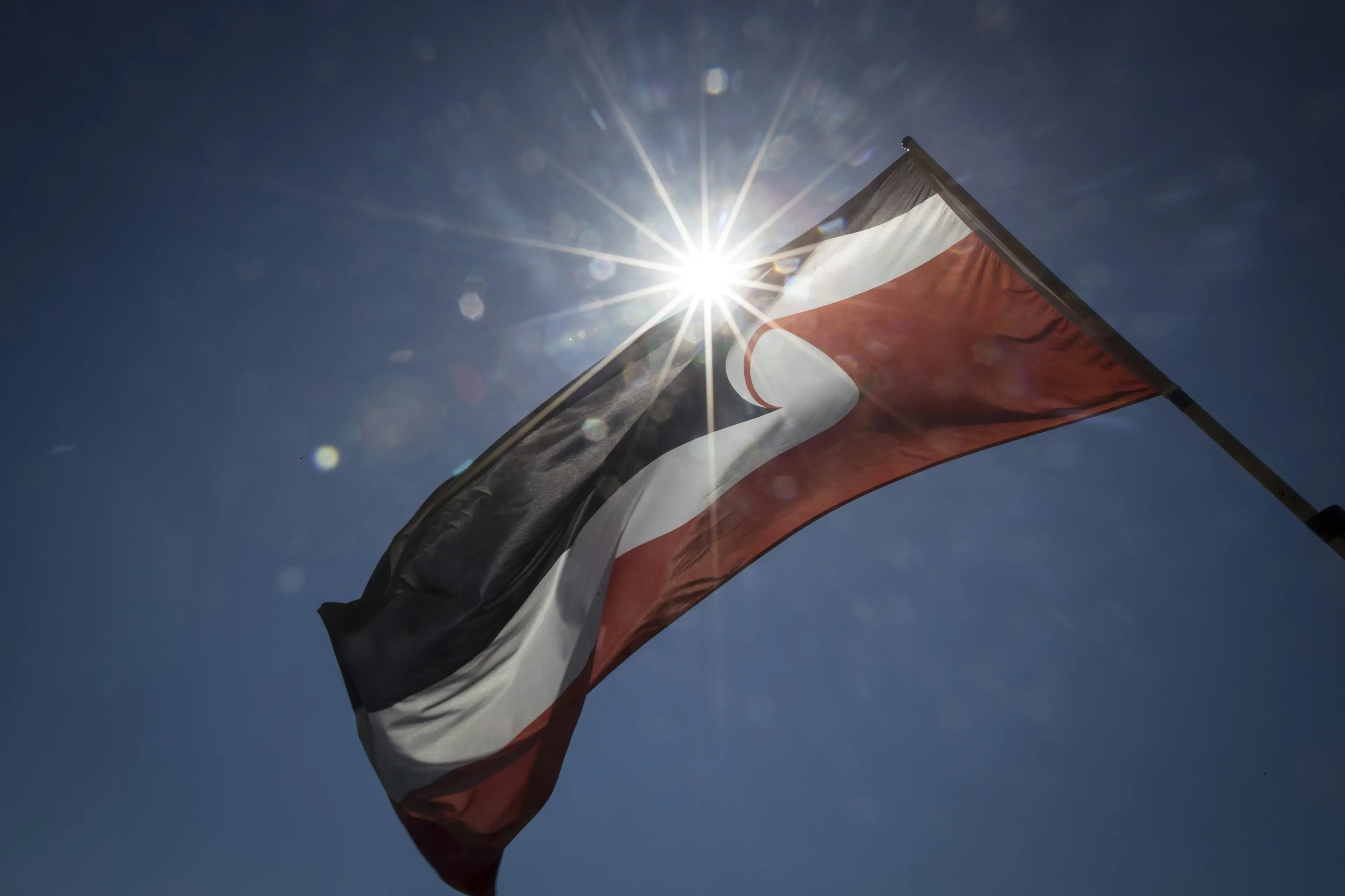
The Waitangi Tribunal is soon to release its findings on an inquiry looking at whether the Citizenship Act 1977 breaches the principles of te Tiriti o Waitangi.
John Ruddock, the claimant, argued the Act failed to protect Māori citizenship rights by not granting automatic citizenship to those with whakapapa Māori who were born overseas to parents who were themselves citizens but also born overseas.
The parents in this case are first generation overseas-born citizens, as their parents are New Zealand born.
But the children are second generation overseas-born and so are not automatically citizens of New Zealand, even though their parents and grandparents are.
This has caught out hundreds of whānau over the years.
Pākehā or Māori, the immigration rules have caused enormous hardship and heartache for families and whānau, and of course, lots of money in trying to get their children and grandchildren the citizenship rights they deserve.
The Waitangi Tribunal has been inquiring into this matter and whether there is an issue of compliance with Te Tiriti o Waitangi.
Article 3 of Te Tiriti o Waitangi translated says that "... the Queen of England will protect all the ordinary people of New Zealand and will give them the same rights and duties of citizenship as the people of England".
The English text of the Treaty reads: "In consideration thereof Her Majesty the Queen of England extends to the Natives of New Zealand Her royal protection and imparts to them all the Rights and Privileges of British Subjects."
The question then is whether the immigration rules that exclude New Zealand citizenship for Māori, whether born in New Zealand or not, are a breach of te Tiriti/the Treaty.
This is because the citizenship of second generation-born Māori is subject to ministerial discretion rather than automatic by right of whakapapa.
The Crown has argued that it is perfectly fine for the minister to decide whether Māori are citizens of New Zealand.
With a government as hostile as this one to whānau Māori, no-one should feel mollified by that assertion.
Whānau, therefore, have a very different view.
They argue the rules undermine Māori systems of belonging and the tikanga that determines that belonging.
Hapū and iwi exercise their rangatiratanga by having significant genealogy processes for determining their own membership.
The law does not respect or acknowledge that rangatiratanga.
Neither does the law recognise the ancestral connection of Māori to whenua Māori in Aotearoa.
Whānau argue, rightly in my view, that the law should properly address Māori rights of whakapapa, belonging and the citizenship that is derived from both tikanga and guaranteed in te Tiriti o Waitangi.
The Crown has argued that the state’s objective is that citizenship should reflect a "genuine and effective link" to New Zealand.
Which is pretty rich when Māori children with whenua and whānau in Aotearoa are denied citizenship, while wealthy people can buy their way into New Zealand through three different investor immigration schemes.
With a $10 million investment fund, a wealthy person can buy indefinite residence in New Zealand, with minimal requirements to live here.
The state’s "genuine and effective link" is clearly demonstrated if it comes in dollars, but not if it comes in whakapapa.
In this matter the New Zealand government is falling behind Australia, where Aboriginal and Torres Strait Islanders have had their special Indigenous status recognised, at least in immigration law.
Five years ago the High Court of Australia rejected the immigration department’s claim that Aboriginal Australians could be classed as "aliens" and therefore deported.
The ruling affirmed the indigeneity of a person who has whakapapa to Aboriginal people, self-identify as such and has a sufficient connection to traditional societies. The plaintiffs in this case were born outside Australia to Aboriginal parents.
Belonging as an Indigenous person to their traditional whenua was affirmed.
And the same should happen here.
There is nowhere else in the world for Māori to be Māori other than in Aotearoa New Zealand.
Our citizenship might be recognised by the law, but it is not the law that creates it. Our citizenship is the result of our whakapapa and our whakapapa is sourced in the whenua on which and in which our bones and blood have run for generation after generation.
The state has no right to interfere with that.
■ Metiria Turei Stanton is a law lecturer at the University of Otago and a former Green Party MP and co-leader.