

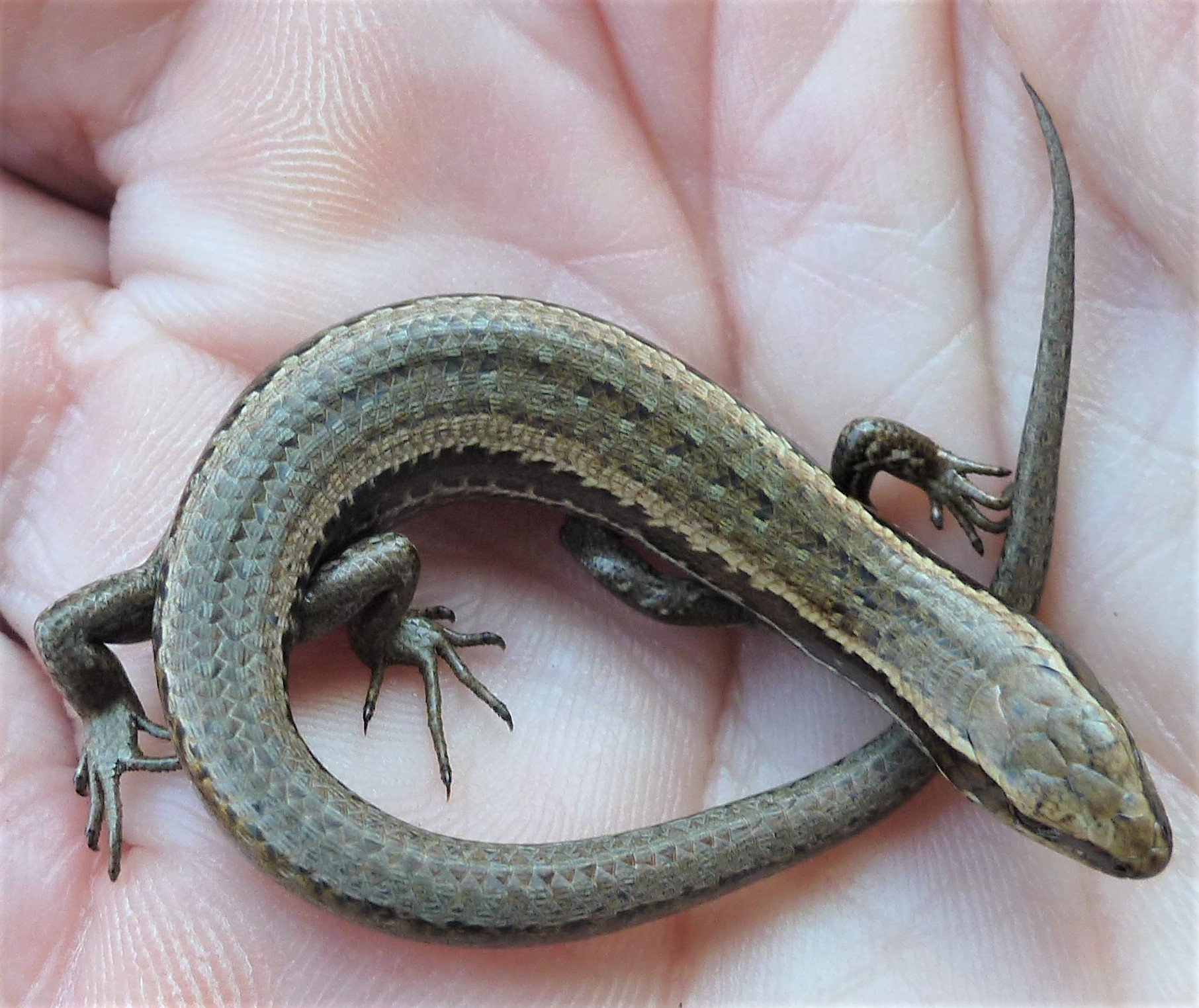
There was confidence the Kawarau gecko, McCann’s skink and Southern grass skink existed in the mine area.
However, experts expressed uncertainty about other lizards, how many - if any - lizards might survive relocation attempts and the proportion of the lizards in the mine site compared with elsewhere.
Ecologist Dr Graham Ussher, an expert hired by Santana, admitted there was ‘‘no certainty’’ about survivability of lizards if relocated, despite the Santana proposal to salvage 20% of them.
There were issues of stress, competition from other lizards, as well as keeping them safe from mice.
The chair of the fast-track panel Matthew Muir asked rhetorically if such a rescue attempt would just be a ‘‘balm for the conscience of someone’’.
Dr Ussher indicated that it would cost ‘‘tens of millions of dollars’’ excluding any enhancement work at a new location or monitoring.
Otago Regional Council senior ecologist Trudy Anderson said it was not possible to exclude the possibility of other lizard species and suggested methodologies for more surveying.
It was important not to over-estimate the Kawarau gecko population elsewhere because there were significant areas the gecko could not live due to altitude, she said.
Proposed pest exclusion fences being proposed by Santana did not come ‘‘anywhere close to what is big enough’’ and a conversation needed to be had to determine an appropriate size.
Dr Geoffrey Rogers, an ecologist hired by Sustainable Tarras, said there was ‘‘low confidence’’ about survivability of lizards if moved and when assessing impact, consideration had to be given to the ‘‘feasibility’’ of recreating habitat.
Excluding farmed animals could mean more pests, particularly mice.
It was a ‘‘really difficult’’ proposition to exclude the pest.
There was also ‘‘great uncertainty’’ around rehabilitation of habitat on the mine site post-closure.
Santana’s evidence had a ‘‘complete absence’’ of any comparative evidence from Macraes mine about the success of OceanaGold’s efforts to relocate lizards.
Dr Matt Baber, another Santana-hired expert, said one problem was the lack of reliability of any technique to distinguish between a pre-existing lizard in an area or a moved lizard.
To laughter, the chairman asked if a spot of paint could be dropped on to lizards for identification purposes - but was told there was no evidenced efficacious technique.
For Kā Rūnaka, ecologist Matt Dale said there was ‘‘insufficient’’ information to assess the impact on lizards nor documented evidence of salvage of lizards at this scale.
It was ‘‘appropriate’’ Santana was not banking on the success of any salvage.
The exclusion area was ‘‘very much too small’’.
The increase needed in size would be an ‘‘order of magnitude’’ greater to what was indicated.
‘‘It is my view that the salvage of 100,000 lizards is highly significant in scale, unprecedented and that’s going to take a significant amount of time to do.’’
It would take a few months to restore a few thousand lizards, he said, so the firm would be ‘‘talking about multiple years’’.
‘‘If we are going to bank on the salvage of these lizards it would need to be linked strongly to stop go clauses on mining activities,’’ he said.


