
PHOTO
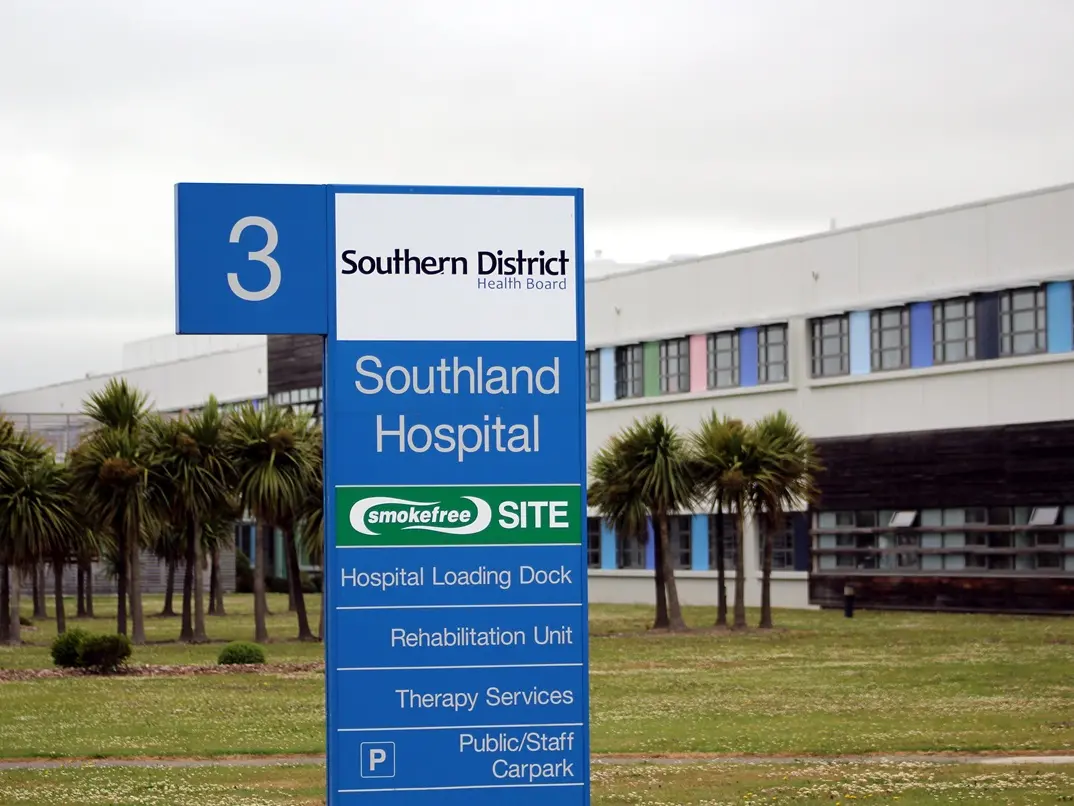
Health New Zealand Southern failed to provide the "reasonable care and skill" for a pregnant woman which could have saved the baby, the Health and Disability Commissioner has ruled.
The case concerns the care provided to a woman in September and October 2021 while she was pregnant with her son. The baby was stillborn in late September 2021 at 31 weeks’ gestation.
The woman and her husband raised concerns that the clinicians at Southland Hospital did not investigate and act upon the possibility of a placental abnormality during her pregnancy.
"This case highlights the importance of potentially concerning diagnostic findings being readily accessible and therefore known to the treating obstetrician to ensure they can make an informed decision on the ongoing management of the pregnancy," the commissioner said.
"This case also reinforces the importance of locum clinicians being fully orientated to the clinical setting they are working in to equip them to work effectively."
The woman had become pregnant via in vitro fertilisation.
In late August 2021 (at 26 weeks’ 4 days’ gestation), the woman underwent a growth scan because her lead maternity carer recognised her previous scan had shown growth that may indicate a foetus that is small for its gestational age and a possible intrauterine growth restriction (IUGR), which is when a baby does not grow at a normal rate in the womb.
The scan on August 30, 2021 showed that the foetus was small.
A report on a repeat scan in September showed the foetus was significantly smaller than average and a IUGR was "probable".
Health NZ told HDC standard management for IUGR was weekly ultrasound with dopplers; if any abnormal dopplers were identified, then twice-weekly dopplers should be performed. If doppler results worsened, or maturity was reached, the baby should be delivered.
Health NZ accepts that none of this was done.
On September 22 2021, the woman was seen in the Antenatal Clinic at Southland Hospital by a locum obstetrician and gynaecologist.
Health NZ told HDC that there was often "little opportunity for orientation for locums in the obstetrics and gynaecology department as the service has been critically short staffed".
Health NZ also noted the "extreme pressure" under which the department was working at the time while trying to manage Covid-19.
The woman subsequently complained that the locum doctor "brushed off" her concerns when she tried to stress to him that her lead maternity carer and sonographer were "very concerned" about foetal growth.
Health NZ acknowledged the ultrasound scan report summary the locum doctor relied on during his consultation with the woman did not contain the crucial information about the abnormal doppler and that appropriate action was not taken after the abnormal doppler result.
Four days later, on September 26, the baby was stillborn.
Health NZ told HDC: "In retrospect, we wish we had intervened with an earlier [ultrasound scan]. It may have prevented this tragedy."
The HDC found the hospital in breach of Code of Health and Disability Services Consumers’ Rights for failing to appropriately manage abnormal ultrasound findings and IUGR.
"Health NZ had a duty to ensure that the woman received services with reasonable care and skill when her lead maternity carer referred her with unexplained IUGR in September and October 2021. This did not happen."
Health New Zealand chief medical officer for Southern and Te Waipounamu Dr David Gow was apologetic.
"On behalf of Health New Zealand, we would like to say how sorry we are for what happened and extend our sincerest condolences to the whānau for the loss of their baby in 2021. We are deeply sorry for the distress caused and recognise the profound long-lasting impact.
"We acknowledge the Commissioner’s findings and have apologised to the family during a face-to-face meeting earlier this year. We have also made significant improvements to our obstetrics services since this tragic event by introducing robust administration and workforce improvements, including recruitment to a full team of eight consultants."
Dr Gow said they now only used regular locum staff who were very familiar with the service and these staff were supported by a locum induction and orientation guide that has been established with the assistance of a regular highly-experienced locum.
"Steps have been taken to improve communications with patients who have experienced loss, including the implementation of a separate wait list to arrange follow-up appointments with clinical staff in a timely manner."