
PHOTO

Among the fallen and returned service personnel remembered at Anzac services around the country are more than 600 nurses — and among them is Christina McDonald, whose distinguished military career ended far from the front lines, in retirement in Clyde.
Her medals are now held at the Clyde Museum.
Born in Invercargill in 1911, McDonald was the eldest of six children in a Southland farming family. She was educated at Wreys Bush Convent near Winton and later at the Dominican Sisters Convent in Queenstown, before the family moved to Tapanui.
She began her nursing training at Dunedin Hospital in 1930, qualifying as a registered nurse in 1934. After working in Christchurch at Lewisham Hospital, she rose to sub-matron at Queen Mary Hospital in Hanmer Springs.
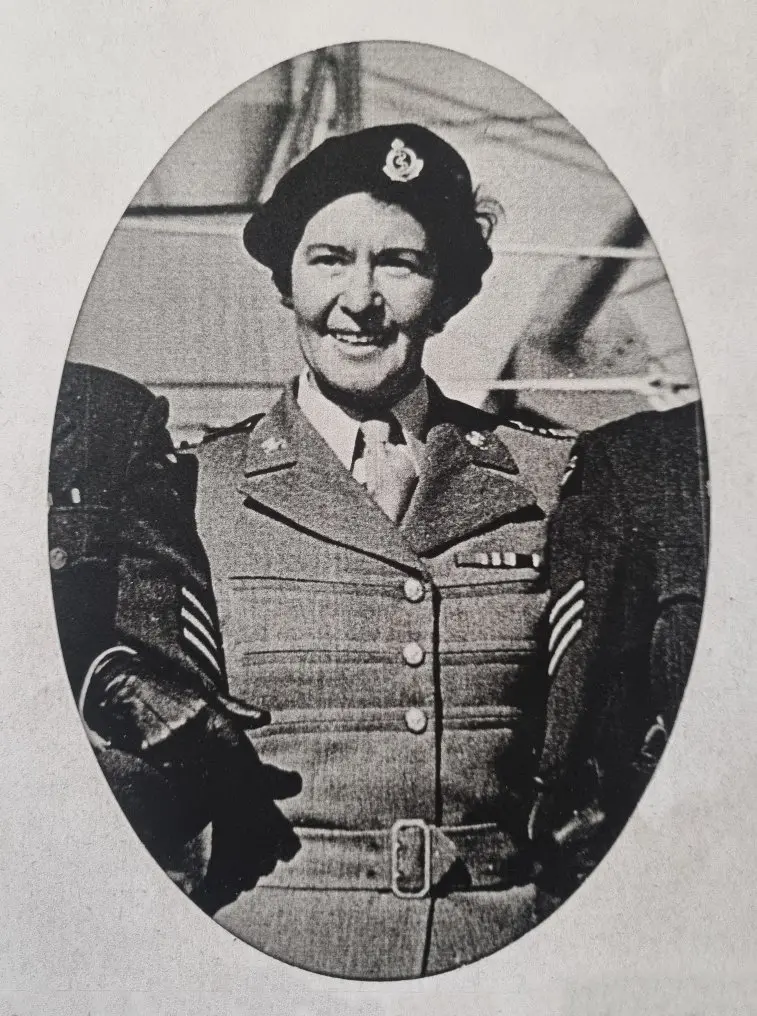
Her military service began in 1943 when she joined the Royal New Zealand Nursing Corps and was seconded to the Royal New Zealand Navy. She became one of the first three nursing sisters at the newly established naval hospital in Devonport, Auckland, later taking on the role of Sister in Charge.
There, she played a key role in setting up and running the hospital during the final years of World War 2, overseeing care for naval personnel suffering from both combat injuries and tropical diseases. Working in a newly established facility, McDonald faced ongoing shortages of equipment and supplies, often improvising to maintain standards of care. Her leadership helped ensure the hospital’s effectiveness during a critical period.
After the war, in 1946, she returned to army service and was posted to Japan with J Force, where she managed a hospital as part of the British Commonwealth Occupation Force. She remained as matron of the 6th New Zealand General Hospital until 1949, overseeing care in a country rebuilding from wartime devastation.
Returning to New Zealand, McDonald resumed work at the Devonport Naval Hospital, this time as matron. Throughout the late 1940s and 1950s, she navigated major changes in New Zealand’s military nursing structures, helping standardise practices across army, navy and air force services.
Her service was widely recognised. She received Red Cross honours equivalent to both the MBE and OBE, and in 1953 was awarded the Queen Elizabeth II Coronation Medal. She was also among 12 New Zealand servicewomen selected to attend the coronation in London.
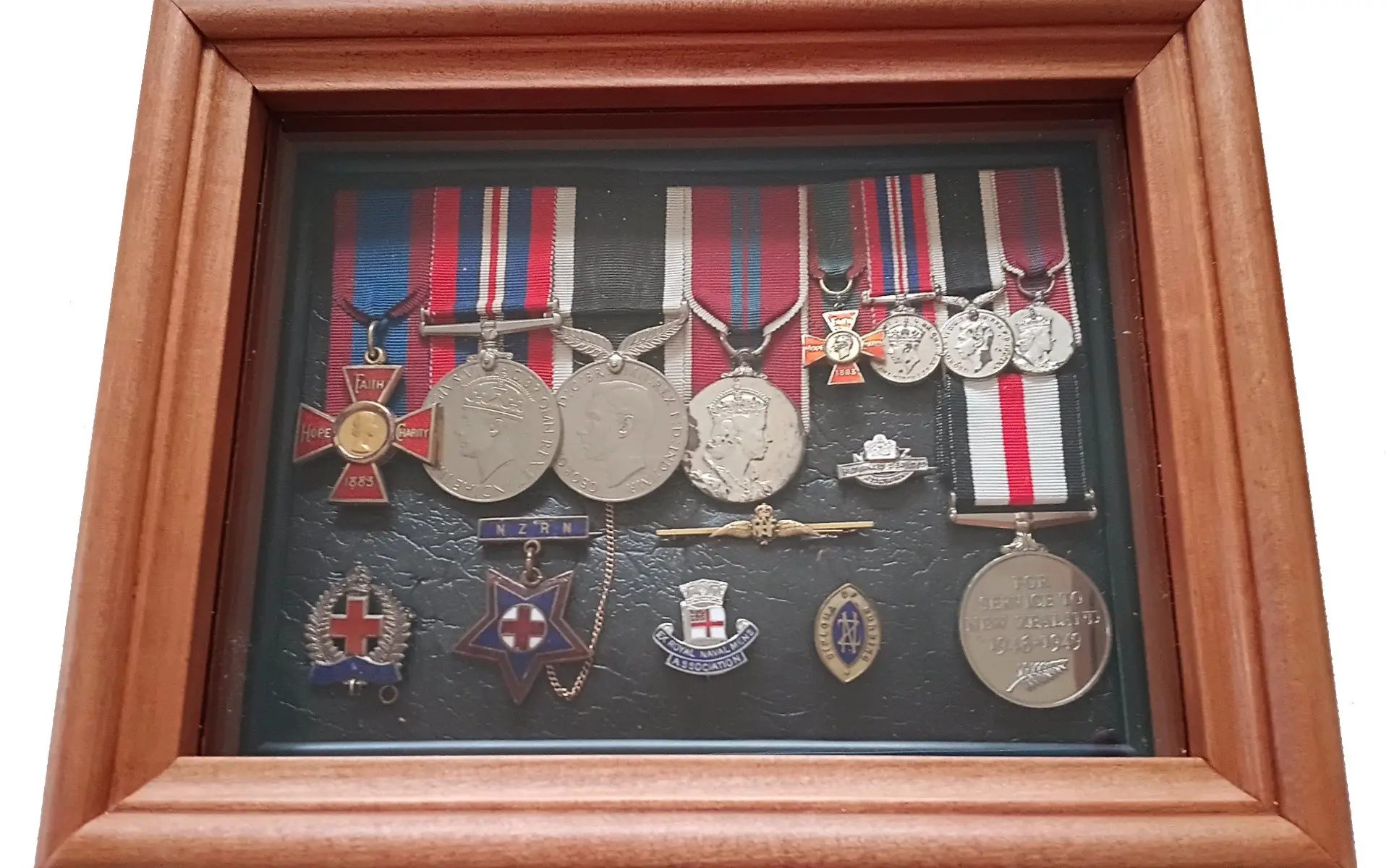
In 1956 she became Principal Matron of the Royal New Zealand Nursing Corps, and two years later was appointed Director of Nursing Services for all three armed services, based at Fort Dorset in Wellington. In that role, she oversaw training, standards and deployment of military nurses during the early Cold War years.
McDonald retired from military service in 1964, age 53, with the rank of Principal Matron. She later returned to Tapanui to care for her mother and served as matron of the local hospital.
In 1973 she settled in Clyde, where she restored a historic stone cottage, built in 1871, and remained active in the community, offering informal nursing support in an area with limited medical services.
Christina McDonald died in Alexandra on July 10, 1996, leaving behind a legacy of service that spanned war, peace and community care.