

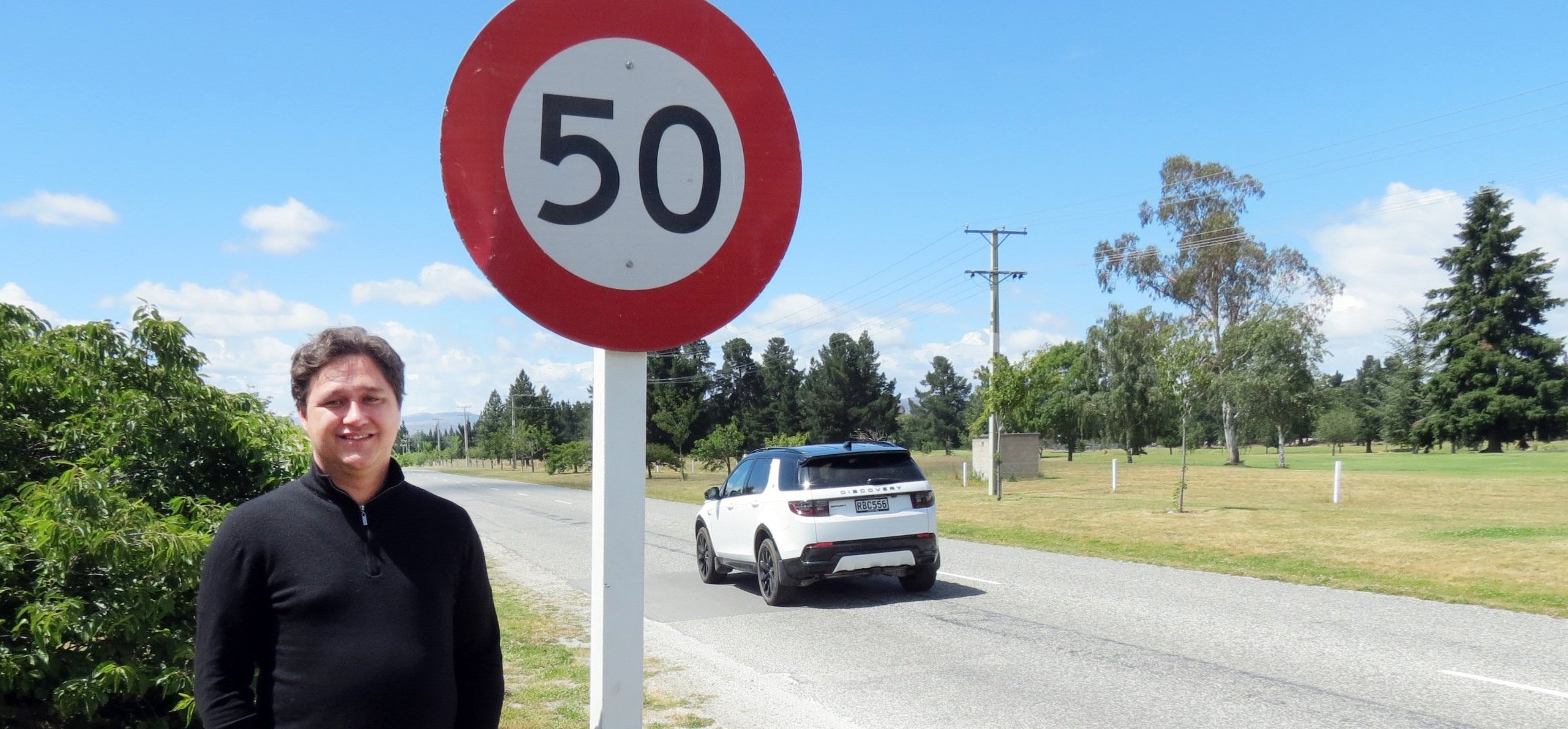
Speed limit changes are now being rolled out across Central Otago’s roading network following Central Otago District Council approval in September.
Vincent Community Board chairman Jayden Cromb said originally the speed limit changes were presented by the council’s roading team to the four community boards for feedback before being taken to the council in the second half of 2023.
But because the government’s rules regarding speed limits changed after the initial consultation and before implementation, it meant having to consult the community twice, Mr Cromb said.
After community consultation on speed limit changes from November 2023 to February 2024, the NZ Transport Agency Waka Kotahi agreed to the proposed changes.
But the "Land Transport Rule: Setting of Speed Limits 2024" meant any changes not implemented by October 30 last year were invalid, he said.
The council’s proposed changes were not certified to begin until November 15, just two weeks later.
As a result, the council was then asked to consult the public again this year, which Mr Cromb described as a waste of money.
"The communities’ responses weren’t really different to the time before, proving again this was not a good use of resources."
When the second consultation was launched in July, council infrastructure manager Quinton Penniall said most of the updated proposals in the second consultation were indeed similar to those in the first.
Some changes were made to meet the new rules, including revised speed limits in places such as Cambrians, St Bathans, Pisa Moorings and Bannockburn, as well as new proposals for roads such as Munro Rd and Church Lane, in Tarras.
"Speed management remains one of the most effective tools for improving road safety by ensuring speed limits are safe and appropriate for all road users," Mr Penniall said.
"We know that speed affects both the likelihood of a crash and the severity of the outcome.
"That’s why we’re committed to working closely with our community to ensure the right balance between safety and practicality."
This week, a council spokesperson said the changes focused on locations where safety concerns had been identified through community requests, service feedback, and where the existing speed limits no longer aligned with the current road environment and surrounding land use.
"The programme reflects a move away from blanket speed reductions and towards smarter, evidence-informed settings."
Mr Penniall said Central Otago’s large and varied road network meant infrastructure upgrades were not always practical or cost-effective.
Speed limit changes were coming into force as road signs were installed, he said.


