
PHOTO
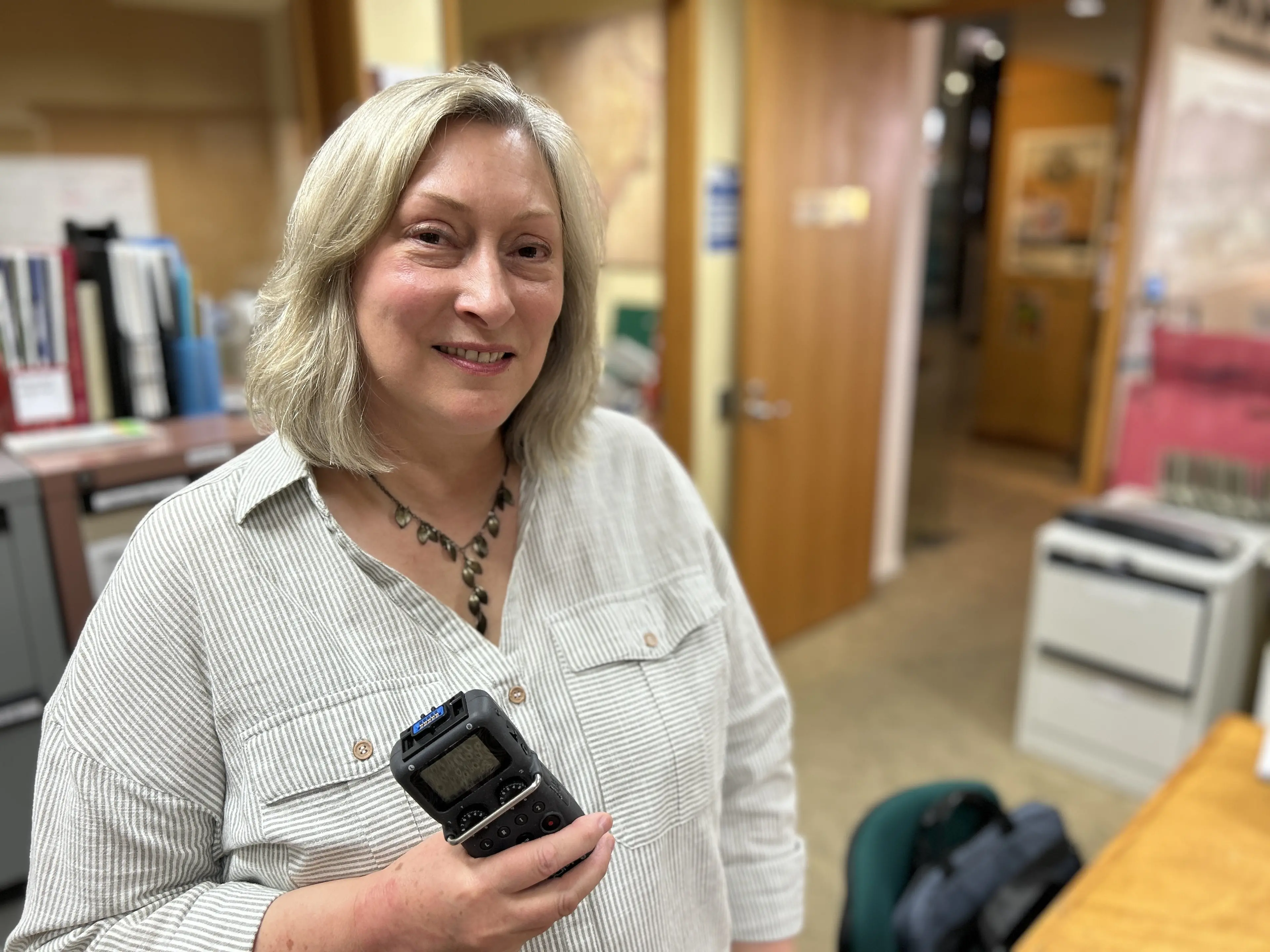
A project to record personal memories of life in Central Otago is so successful it needs more volunteers to help out.
Central Otago Oral History Project manager Joanna Leigh said she was delighted to have surpassed the milestone of more than 100 recordings available for people to listen to.
Since 2019 volunteers have been collecting memories and personal stories as part of the Central Otago Heritage Trust’s Oral History Project. Since 2023 recordings have been uploaded to a website allowing them to be heard anywhere in the world.
Interviewing people on topics was the preferable way to go, Ms Leigh said.
It could be daunting for someone to be asked about their whole life so starting with a topic, such as farming or their schooling, helped focus.
The process was a two-way exchange between the interviewer and the subject. They would meet before recording the interview to decide what they would talk about and the interviewer would offer questions for reflection before the recording was done, she said.
‘‘The volunteers are amazing but so are the interviewees and they’ve agreed to share their voice and their experience and their memories and actually go through the process of meeting with someone.’’
Volunteers were trained used internationally recognised standards and best practice to undertake the recording and abstraction of oral histories.
People interviewed had ranged from farmers to wine industry pioneers and artists.
However, while older people’s stories were most often recorded others were welcomed.
‘‘If you know someone’s done something interesting, maybe they’ve started a business, how did that go?
‘‘Got a new technique in orcharding? Go talk to them before they get really old.’’
However, for the rich variety of stories to be captured there were just eight active volunteers creating the recordings, Ms Leigh said.
‘‘That’s the biggest threat to the project right now, is we need some more volunteers, because in 2025, we had eight volunteers being active. And they did 22 interviews between them.’’
Volunteers were trained both in interview techniques and using the small recorders and microphones.
‘‘The thing the volunteers get most stressed out about is actually the equipment. But really it’s not a big deal. It’s basically just pressing one button. And if something happens, then people just phone me up.
‘‘And I’ve always been able to sort it out on the spot.’’
Because of the time interviews took and the availability of the people being recorded volunteering seemed to suit retired people best, she said.
‘‘Someone who’s interested in history ... likes to talk to people, with some empathy, and they’re willing to put the time in to build the trust with the interviewee before they hit record.’’
Ms Leigh was at Central Otago Museum and Art Gallery on Thursdays from 10.30am until 3.30pm.
‘‘Everyone is welcome to drop in if they are interested in finding out more about the project or what it’s like being an oral history interviewer. One of the best things about the job is working with the volunteers, because they are such lovely people.’’