


Doc has reviewed lizard management plans presented by Santana Minerals, saying they are incomplete, inconsistent and misrepresenting effects.
Santana is attempting to process its mine in the Bendigo region under the Fast-track Approvals Act.
The latest release of documents includes an assessment by Doc of the proposals by Santana around wildlife, specifically lizards.
Doc said the scale of impacts on lizards by Santana Minerals proposals was very high and significant.
‘‘The true extent of effects is unknown due to inaccuracies and the misrepresentation of data on lizard species. This also has implications for the proposed effects management and its appropriateness and adequacy,’’ it said in its report.
‘‘The scale of impacts on lizards is very high, significant and unprecedented.’’
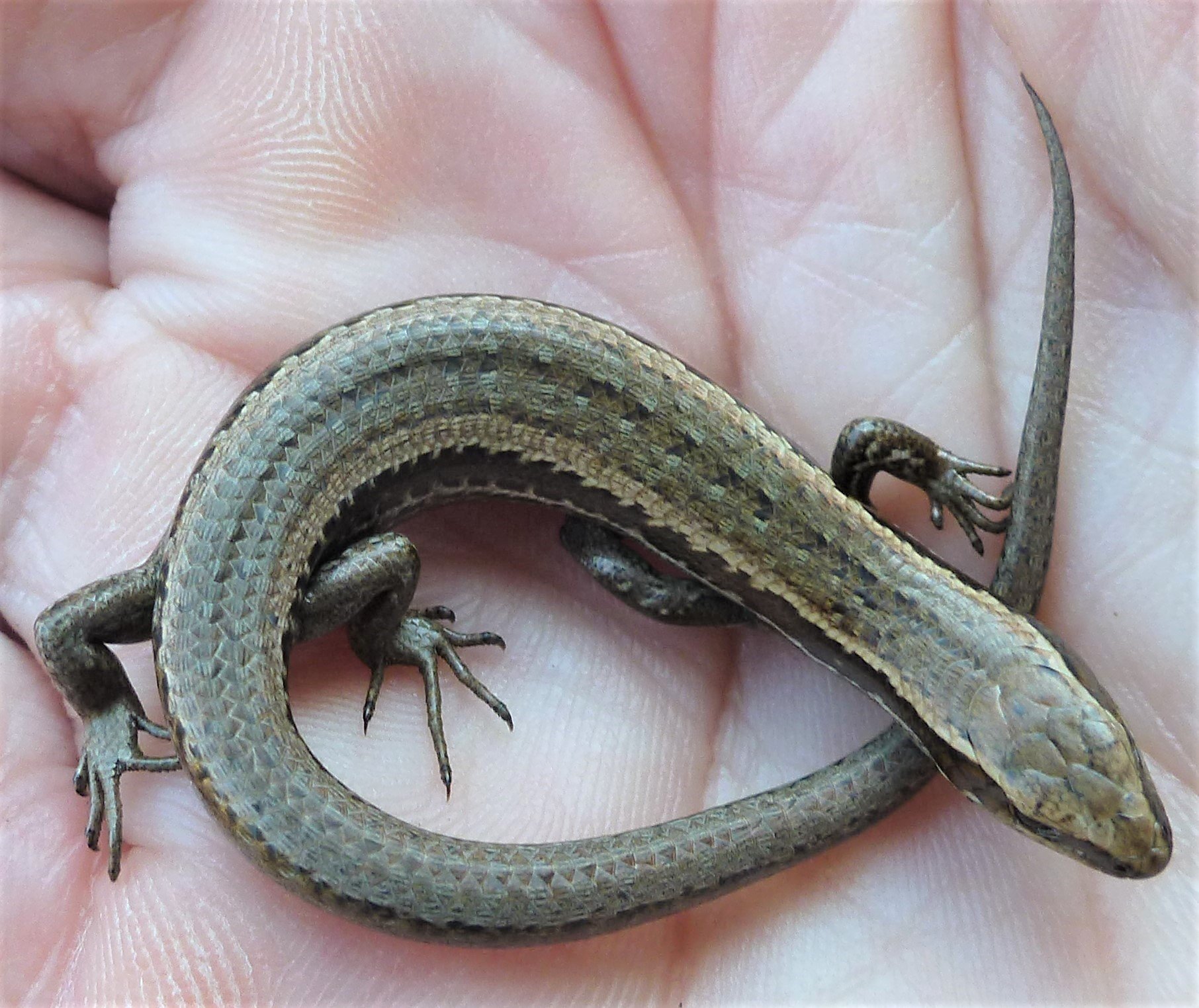
Survey coverage was said to be incomplete and several parts of the site had not been assessed for lizard values.
‘‘This constitutes a critical information gap and significantly constrains the ability to assess the effects of the project on lizards,’’ Doc said.
Potential habitat for rarer skinks was not adequately surveyed and population estimates were inconsistent
Misidentification of rarer skinks would lead to wrong estimates of population
‘‘Overall, Doc has a low confidence in the species information provided by the applicant due to these inaccuracies and inconsistencies. The lack of a sound evidence base to inform the wildlife approval sought is a fundamental concern.’’
To provide a robust and through assessment of effects, issues with data needed to be appropriately resolved.
But at a high level the effects of the proposed activities could still be reasonably determined, Doc said.
There would be a significant impact on about 500,000-750,000 lizards. This number was ‘‘high and at an unprecedented scale.’’
There would be a high mortality rate for lizards — potentially at 400,000-650,000 lizards — given the target/minimum salvage rates proposed.
There was significant residual effects with about 80% of those effects left unaddressed.
There would be a permanent loss of about 700ha of shared habitat for lizard species. The loss of habitat would have different impacts for the different species to which the wildlife approval applied.
The impact on the Kawarau gecko’s habitat may be nationally significant given it represented about 7% of the species’ national habitat.
Due to the scale of the gold-mine project the salvage effort was estimated to cover about 20% of the effects, which left 80% of effects unaddressed.
A salvage operation across multiple habitat types would be a large and complex undertaking, Doc said.
There was a lack of suitable release habitat to successfully support salvage efforts and areas might become overpopulated, undermining the benefits of salvage and incurring further adverse effects.
Santana Minerals chief executive Damian Spring said it was important to note the company was investing upwards of $10million in lizard conservation with two predator-proof sanctuaries.
The two sanctuaries totalled 67ha — the Ardgour Sanctuary (38ha) and Bendigo Sanctuary (29ha) — enclosed by nearly 6km of predator-proof fencing.
There would be the restoration of 2219ha of habitat and a commitment to a 35-year lizard monitoring programme.
Santana’s lizard values assessment was prepared by specialist ecologists at RMA Ecology over a comprehensive 20-month survey period using multiple field methods. The assessment formed part of a suite of ecological reports that were submitted with the fast-track application.
‘‘Santana acknowledges that Doc has raised technical questions as part of its review,’’ Mr Spring said.
‘‘We have engaged with Doc through a series of workshops, most recently a lizard-specific workshop in March 2026, to work through these matters. Doc has identified opportunities to address the issues raised, and Santana is committed to continuing this constructive engagement.’’
The population estimates for lizards at the project site were the subject of ongoing technical discussion between Santana’s specialist ecologists and Doc.
Santana Minerals’ effects-management package was designed to support lizard populations in the area over the long term, and Santana was working with Doc to ensure they were as effective as possible, Mr Spring said.
He described meetings between Santana and Doc as ongoing and constructive.
Santana remained committed to continuing to work collaboratively with Doc to ensure best outcomes, he said.


