Lack of ACC cover riles: ‘It needs to change soon’

The Kingston Volunteer Fire Brigade’s former chief fire officer, Peter Ottley, with his faithful...
The Kingston Volunteer Fire Brigade’s former chief fire officer, Peter Ottley, with his faithful rottweiler Diesel. PHOTO: JAMES ALLAN PHOTOGRAPHY
Former Kingston chief fire officer Peter Ottley has a message for New Zealand’s bureaucrats.

"In what world should we ever be in a position like this, with regards to something that we’re doing for our community, to save people’s lives?

"It has to change, and it needs to change soon — I’m an exact example of what you don’t want to have, because it’s s..."

Mr Ottley’s life changed a year ago yesterday though he did not realise it at the time.

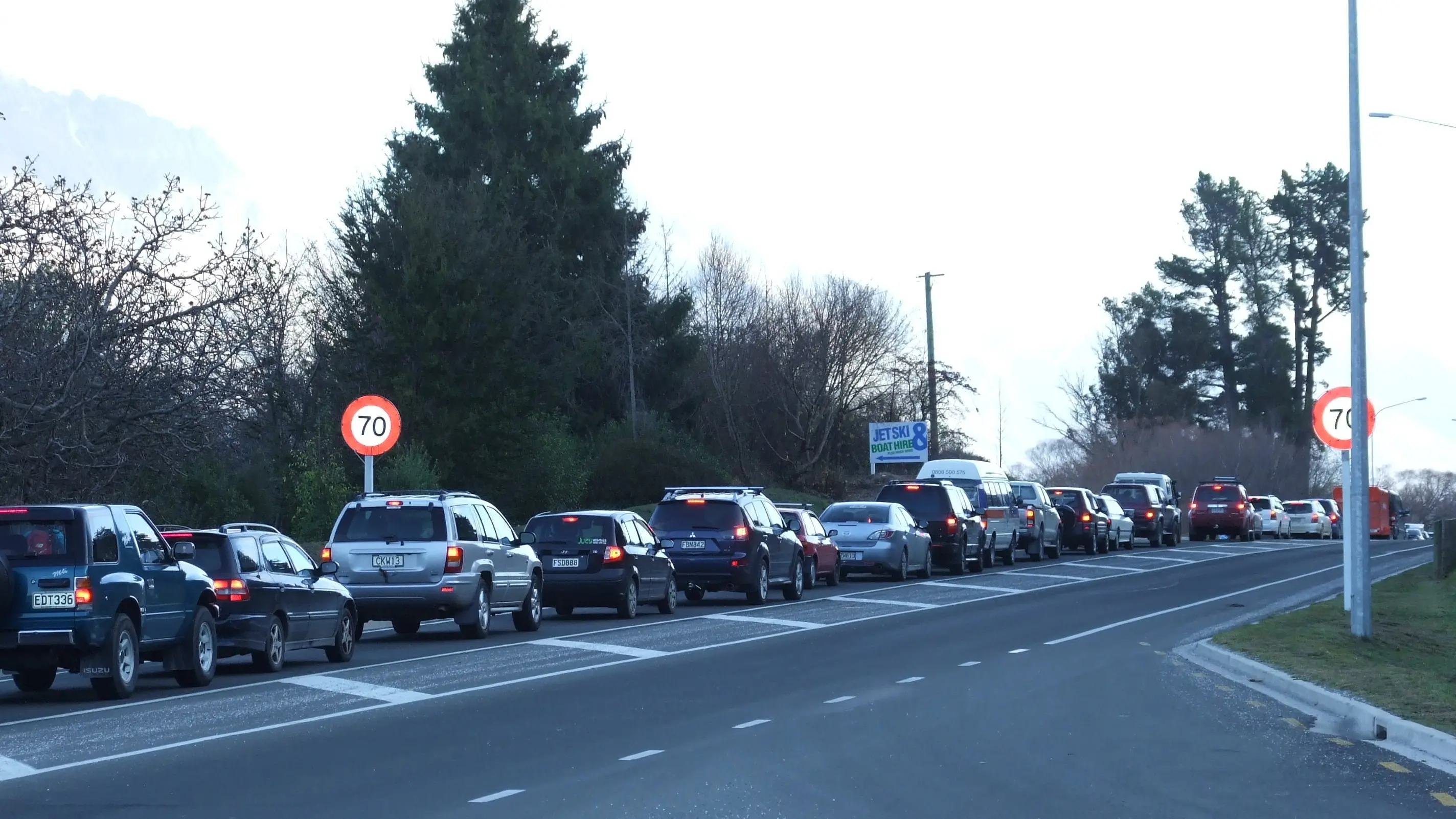
He was one of the first on the scene, in his volunteer fire capacity, at a horrific crash involving two cars and a tour bus on State Highway 6, near the intersection of Glen Nevis Station Rd, at 4.05pm.

Timothy Herrick, 36, of Invercargill, died at the scene — another 20 people were injured, two critically.

Eleven ambulances and six choppers were needed to transport the patients to hospitals.

Mr Ottley, who will turn 60 in February, said the scene was "like a bloody holocaust", with injured people "everywhere".

"I just got out [of the fire truck] and just went straight over to them, and there were about five or six of them all stuck in [the bus].

"There was one with his head stuck out the top."

At the time, Mr Ottley, who had been a volunteer for the Frankton brigade for about 15 years — about 10 as CFO — just got on with his job.

Over the years, he has attended more than his fair share of serious and fatal crashes, all of which he recalls and many of which involved harrowing scenes which have stayed with him.

Yet at no point did he consider hanging up his helmet.

"It’s not about me, it’s about making sure we do the right thing for our community.

"I just love helping people."

But a few days after last year’s fatal crash, Mr Ottley changed.

Normally confident and unflappable, he "lost the plot" at his local golf club, he said.

"It was awful."

He then became irritable with his children, whom he worshipped, and on Christmas Day, after dinner, he snapped, he said.

"I just said ‘get out of my way’ and ran up to the house, locked the door and just didn’t want to be around anybody."

His partner, who the Otago Daily Times agreed not to name, got him to a psychologist as fast as she could, after which he was diagnosed with post-traumatic stress disorder (PTSD).

While the December 19, 2024 crash was the catalyst, for Mr Ottley, his PTSD was also cumulative.

Overnight, he was unable to work — he had spent almost 30 years with Carters, and while it has kept his job open, it is unlikely he will be able to return to it.

The kicker, though, is that Mr Ottley was declined ACC, because his condition, which includes short-term memory loss, anxiety and social isolation, stems from a voluntary role.

"We were quite shocked," his partner said.

"We had no idea that he wouldn’t be covered."

His story inspired Queenstown Volunteer Fire Brigade secretary Katherine Lamont to launch a parliamentary petition calling for the 12,000-odd volunteer firemen and women across the country to receive ACC coverage, as their paid counterparts do.

Last year, the ACC projected the cost of covering them at $244,533 per annum.

The petition was signed by 36,549 people, but it was rejected by the government last week, due to concerns about the precedent it would set, and the likelihood of having to cover other similar volunteers, such as those with Coastguard, LandSAR and Hato Hone St John.

Meanwhile, Mr Ottley continues to struggle.

He does have private health insurance, through Carters, though only for another year, so the pressure is now on for him to have more tests done in Dunedin, where there is a six to 12-month waiting list.

The couple also have a mortgage to worry about, so his partner has picked up a part-time second job, to make ends meet.

The past year, she says, has been "quite stressful".

"He’s been so up and down ... he can’t go to the grocery shop; [he doesn’t] like going out in groups any more.

"He was always so confident and the way he reassured people in highly distressing conditions was incredible — he calmed everyone down in the extreme situations they faced and led from the front.

"Now he’s a shell of himself and can’t handle any pressure at all.

"But I’m so proud of him for speaking up, and he’s done everything that’s been asked of him to try and get himself back to his former self."

There have been a few rays of hope for Mr Ottley, though.

They include the unwavering support of his partner, his faithful and constant companion, 4-year-old rottweiler Diesel, who has been "a godsend", playing golf, which he describes as "a saviour", EMDR — eye movement desensitisation and reprocessing — a psychotherapy method that has "really helped", and the friendship from his Kingston community.

Mr Ottley says he would like to rejoin the fire brigade, which was "everything" to him, at some stage, even if that is just on "stop-go" duty.

But he desperately wants bureaucrats to open their eyes.

"[We have] to get these pompous asses out of their seats, come down and have a look and see what it looks like [when it goes wrong for people].

"And then you make a decision over it.

"It’s just not right in any way — it has to change."

tracey.roxburgh@odt.co.nz


Advertisement

OUTSTREAM