PHOTO
Possums are losing their grip near Arrowtown and native bird numbers are on the rise.
New waxtag monitoring data across Bush Creek shows possum activity has decreased in the area from 56% three years ago to just 6% last October.
The data, released by Southern Lakes Sanctuary (SLS), also shows that at Coronet Face, a newer project across steep slopes and mixed tussock, there has been rapid possum knockdowns allowing that area to move into sustained suppression of the pest species.
Since 2022, the trap network run by the Whakatipu Wildlife Trust (WWT) and SLS has expanded from 28 to 159 traps, catching more than 4500 possums.
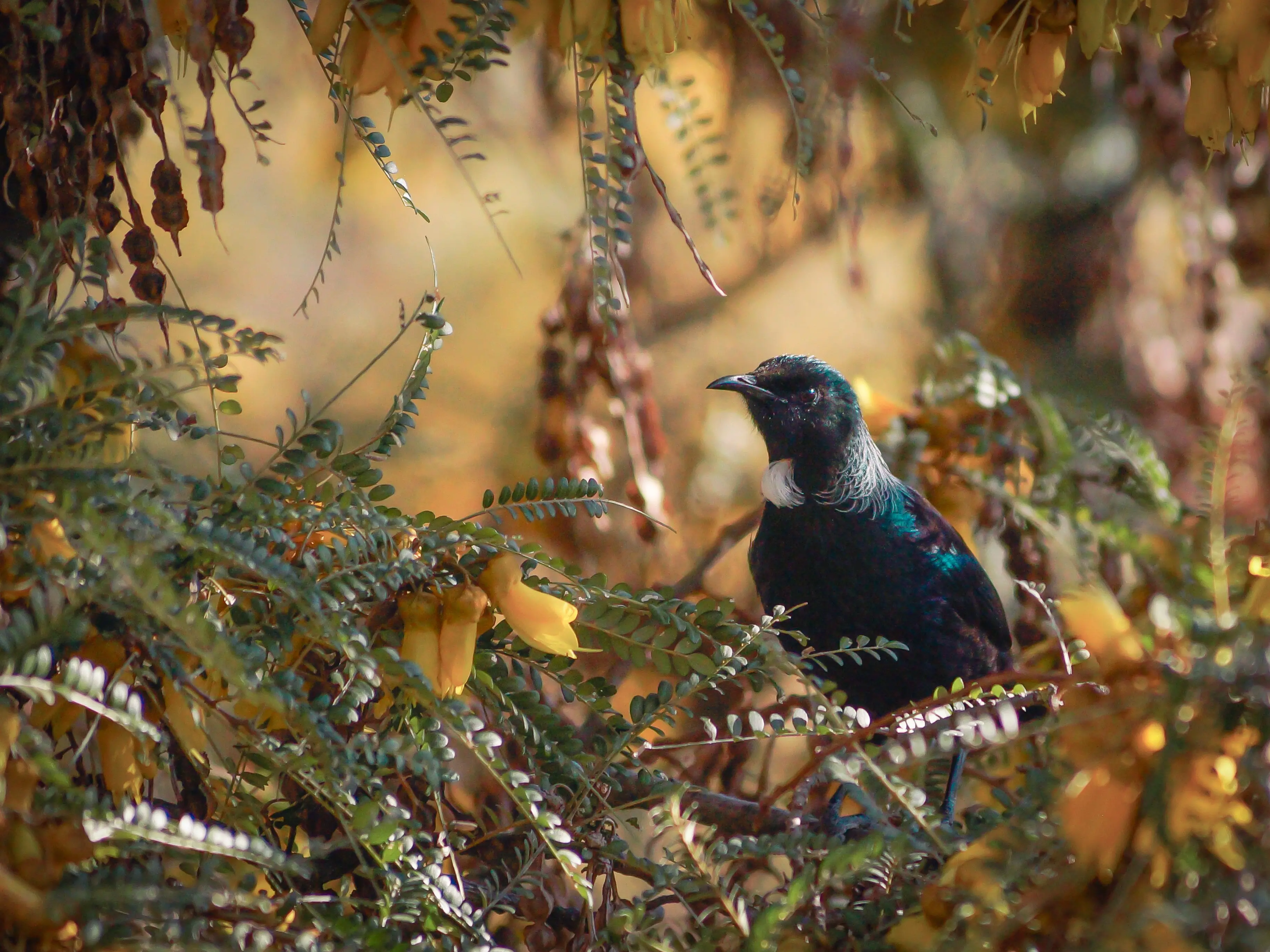
Despite the increase in traps, though, the average number of possums has steadily declined — over the same time, native bird numbers have been on the rise.
WWT was about to begin bird monitoring, which was hoped would confirm "native bird abundance", while SLS has recently installed acoustic monitoring devices to support that.
WWT executive director Anna Harding-Shaw said it was "exactly" the outcome they hoped for when communities, volunteers and conservation organisations worked together.
"Hearing locals tell us they’re seeing more native birds in the area shows the real, positive impact of sustained predator control."
SLS chief executive Paul Kavanagh said the results were only possible because of a "sustained effort across the community".
Alongside predator control, habitat restoration is also accelerating — Arrowtown Choppers and volunteers have cleared about 100ha of wilding pines, on top of what has been cleared by the Whakatipu Wilding Control Group, and planted more than 35,000 native trees, including 29,000 along the Sawpit Gully track and over 6000 in Bush Creek, with help from Arrowtown School and local Scouts.
Additionally, Predator Free Arrowtown, the Coronet Face Trapping Group, Te Tapu o Tāne, NZSki and Treespace are all playing a vital role, supported by funding from The Hills, the late Sir Michael Hill and his family, Sir Rod Drury/Tāhuna Ride and Conservation and Queenstown’s council.
However, Mar Kavanagh said ongoing biodiversity monitoring was essential to measure progress.
"And it’s an area where further support from local businesses can make a real difference."